
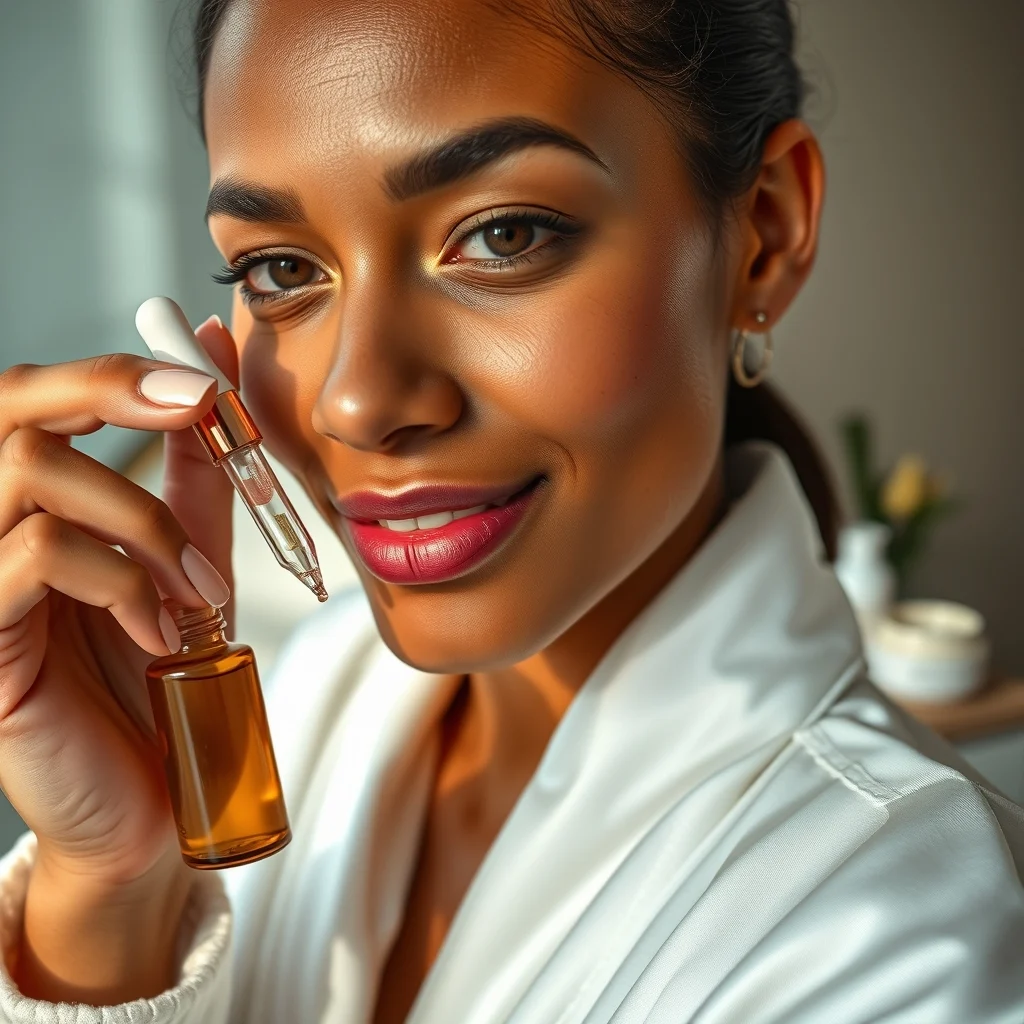
Imagine waking up to skin so luminous, strangers stop to ask about your secret. The truth? Achieving that coveted glow isn’t about expensive potions or overnight miracles—it’s about understanding the science of beauty & skincare and tailoring a routine that works for your unique needs. Whether you’re battling dryness, oiliness, or the first signs of aging, the right approach can transform your complexion from dull to dazzling in weeks.
The Foundation of Flawless Skin: Cleansing Done Right
Your skincare journey begins with a clean canvas. But not all cleansers are created equal. Harsh soaps can strip your skin of natural oils, leaving it tight and irritated, while gentle formulas preserve your moisture barrier. Dermatologists recommend double cleansing at night—first with an oil-based cleanser to dissolve makeup and sunscreen, followed by a water-based option to remove impurities.
For oily or acne-prone skin, look for salicylic acid or benzoyl peroxide to unclog pores. Dry or sensitive types should opt for hydrating ingredients like hyaluronic acid or ceramides. Remember, over-cleansing can trigger excess oil production, so stick to morning and night—no more than twice daily.
Exfoliation: The Secret to Smooth, Even Texture
Dead skin cells accumulate faster than you think, leading to dullness and clogged pores. Exfoliation is the key to revealing fresher, brighter skin underneath. Chemical exfoliants like AHAs (glycolic or lactic acid) dissolve the bonds between dead cells, while BHAs (salicylic acid) penetrate deeper to clear congestion.
Start with a low concentration (5-10%) 1-2 times per week, gradually increasing as your skin builds tolerance. Physical scrubs, though popular, can cause micro-tears if used aggressively. If you prefer them, choose finely milled options and massage gently in circular motions.
Hydration vs. Moisturization: What Your Skin Really Needs
Many assume hydration and moisturization are the same, but they serve distinct purposes. Hydration refers to water content in the skin, while moisturization locks it in. Hyaluronic acid serums are hydration powerhouses, holding up to 1,000 times their weight in water. Apply them to damp skin to maximize absorption.
Moisturizers, on the other hand, contain occlusive ingredients like squalane or shea butter to seal in moisture. Lightweight gels work best for oily skin, while richer creams suit dry or mature complexions. Don’t forget your neck and décolletage—these areas show aging just as much as your face.
The Underrated Role of Serums in Your Routine
Serums are concentrated formulas designed to target specific concerns, from hyperpigmentation to fine lines. Vitamin C serums brighten and protect against environmental damage, while niacinamide regulates oil production and minimizes pores. For anti-aging, peptides and retinol stimulate collagen production, reducing wrinkles over time.
Layer serums from thinnest to thickest consistency, allowing each to absorb fully before applying the next. A common mistake? Skipping serums altogether. They’re the workhorses of skincare, delivering active ingredients where your skin needs them most.
Sun Protection: The Non-Negotiable Step for Healthy Skin
Up to 80% of visible aging is caused by sun exposure. Yet, many still skip sunscreen, fearing greasy textures or white casts. Modern formulas have evolved—look for lightweight, broad-spectrum SPF 30-50 with added antioxidants for extra protection. Mineral sunscreens (zinc oxide or titanium dioxide) are ideal for sensitive skin, while chemical filters blend seamlessly under makeup.
Reapply every 2 hours if you’re outdoors, and don’t forget often-missed spots like your ears, hands, and lips. Even on cloudy days, UV rays penetrate the skin, accelerating aging and increasing cancer risk. Make sunscreen the final step in your morning routine—no exceptions.
Nighttime Skincare: Repair and Renew While You Sleep
Your skin’s repair mode kicks into high gear at night. This is the perfect time to use treatments like retinol or bakuchiol, which boost cell turnover and fade dark spots. Pair them with a nourishing night cream to support the skin’s natural regeneration process.
Sleeping on a silk or satin pillowcase reduces friction, preventing sleep lines and breakouts. For an extra boost, try a humidifier to combat dryness, especially in air-conditioned rooms. Consistency is key—stick to your routine for at least 4-6 weeks to see noticeable improvements.
Lifestyle Habits That Enhance Your Skincare Efforts
No routine can outperform poor lifestyle choices. Hydration starts from within—aim for at least 8 glasses of water daily to flush out toxins. A diet rich in antioxidants (berries, leafy greens) and healthy fats (avocados, nuts) supports skin elasticity and glow. Meanwhile, sugar and processed foods can trigger inflammation and breakouts.
Stress wreaks havoc on your skin, increasing cortisol levels that lead to acne and premature aging. Incorporate stress-relief practices like meditation, yoga, or deep breathing into your day. Quality sleep is equally crucial—aim for 7-9 hours to allow your skin to repair and regenerate.
Your skin is a reflection of your overall health, and the right beauty & skincare routine can amplify your natural beauty. Start with the basics—cleanse, hydrate, protect—and build from there. Listen to your skin’s needs, adjust as seasons change, and celebrate small victories along the way. The glow you’ve always wanted is closer than you think, one thoughtful step at a time.
You may also like
-
Resveratrol in Age Defense: A Multidimensional Analysis of Antioxidant Science, Mechanisms, and Industry Evolution
-
The Comprehensive Science of Mature Skin Resilience: A Multidimensional Examination of Skincare Over Forty, Biological Adaptations, and Evidence-Based Innovations
-
The Strategic Framework of Mature Skin Resilience: A 360-Degree Examination of Skincare Over Forty, Biological Adaptations, and Evidence-Based Innovations
-
The Comprehensive Analysis of Individualistic Age Well Beauty: Autonomy, Confidence, and the Modern Reinterpretation of Aging
-
Sustainable Fashion: The Not-So-Trendy Truth Behind Eco-Friendly Couture