
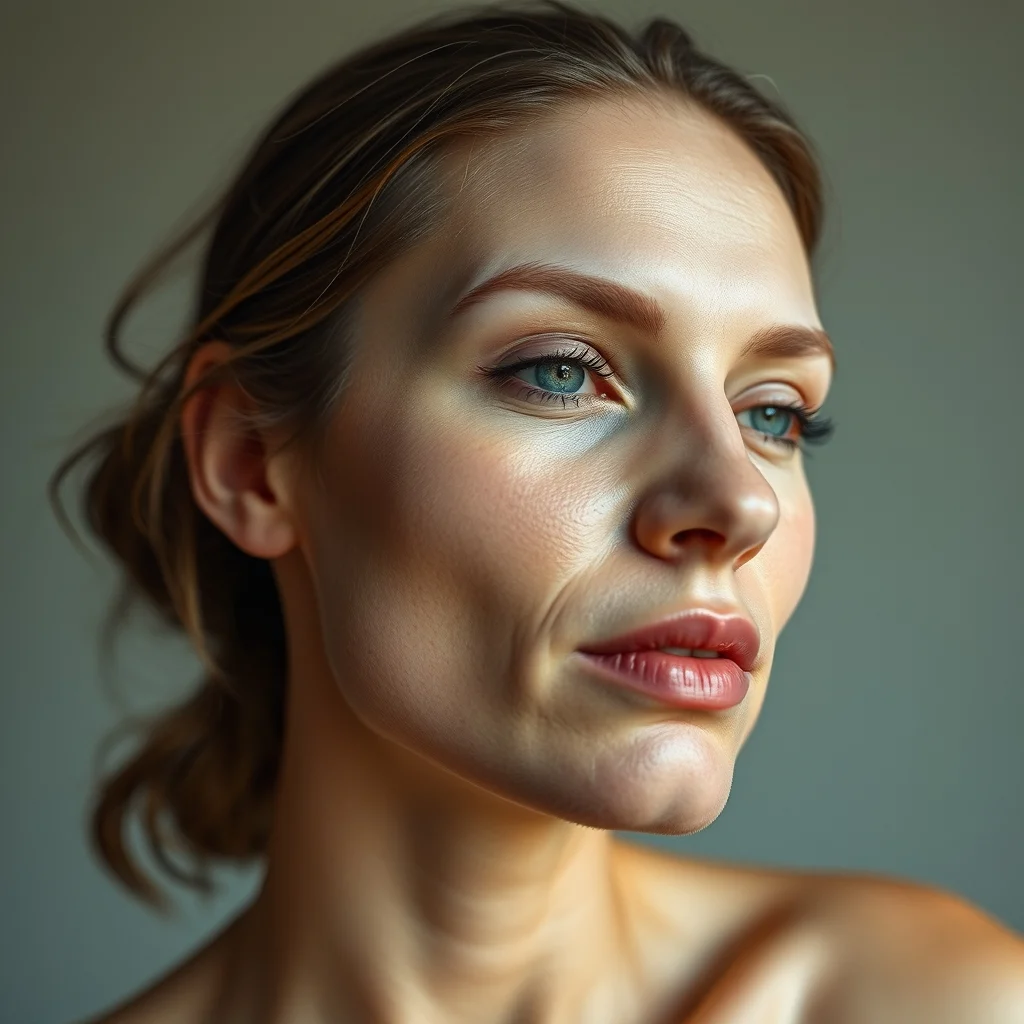
Skin health undergoes significant transformations after the age of forty, driven by biological shifts, environmental exposures, and lifestyle factors. Skincare over forty is no longer a niche concern but a mainstream priority, with global market projections estimating a compound annual growth rate (CAGR) of 6.2% for mature skin products through 2030, according to Grand View Research. This surge reflects a demographic shift—by 2035, adults aged 40 and above will constitute 42% of the U.S. population, per U.S. Census Bureau data. The convergence of scientific innovation, consumer demand, and regulatory scrutiny has created a dynamic ecosystem where evidence-based solutions are redefining age-well beauty.
Mature skin requires a distinct approach due to reduced collagen production, diminished elasticity, and slower cellular turnover. These changes manifest as fine lines, uneven texture, and increased sensitivity, often exacerbated by hormonal fluctuations during perimenopause and menopause. While the skincare industry has historically prioritized anti-aging rhetoric, a paradigm shift toward pro-aging beauty rituals is gaining traction. Brands and dermatologists now emphasize resilience, hydration, and barrier repair over erasure, aligning with a broader cultural movement toward aging gracefully.
The Biological and Environmental Foundations of Mature Skin
Skin aging is governed by intrinsic and extrinsic factors. Intrinsic aging, an inevitable biological process, is characterized by a 1% annual decline in collagen post-30, accelerating after 40. Fibroblast activity diminishes, reducing hyaluronic acid synthesis and impairing moisture retention. Extrinsic aging, driven by UV exposure, pollution, and lifestyle habits, accounts for up to 80% of visible aging signs, according to a 2022 study in Clinical, Cosmetic and Investigational Dermatology. Cumulative sun damage degrades elastin fibers, leading to sagging and hyperpigmentation, while oxidative stress from free radicals accelerates cellular damage.
Hormonal changes during perimenopause and menopause further complicate the landscape. Estrogen levels decline by 50% between ages 40 and 50, reducing sebum production and thinning the epidermis. A 2021 Journal of the American Academy of Dermatology study found that 75% of women experience increased skin dryness and sensitivity during this transition. These shifts necessitate targeted interventions, from hydration for mature skin to collagen-boosting over forty strategies.
Historical Evolution of Mature Skin Care: From Stigma to Science
The approach to mature skin has evolved dramatically over the past century. Key milestones include:
- 1950s-1970s: Anti-aging emerged as a marketing concept, with brands like Estée Lauder introducing the first
You may also like
-
Resveratrol in Age Defense: A Multidimensional Analysis of Antioxidant Science, Mechanisms, and Industry Evolution
-
The Comprehensive Science of Mature Skin Resilience: A Multidimensional Examination of Skincare Over Forty, Biological Adaptations, and Evidence-Based Innovations
-
The Strategic Framework of Mature Skin Resilience: A 360-Degree Examination of Skincare Over Forty, Biological Adaptations, and Evidence-Based Innovations
-
The Comprehensive Analysis of Individualistic Age Well Beauty: Autonomy, Confidence, and the Modern Reinterpretation of Aging
-
Sustainable Fashion: The Not-So-Trendy Truth Behind Eco-Friendly Couture