
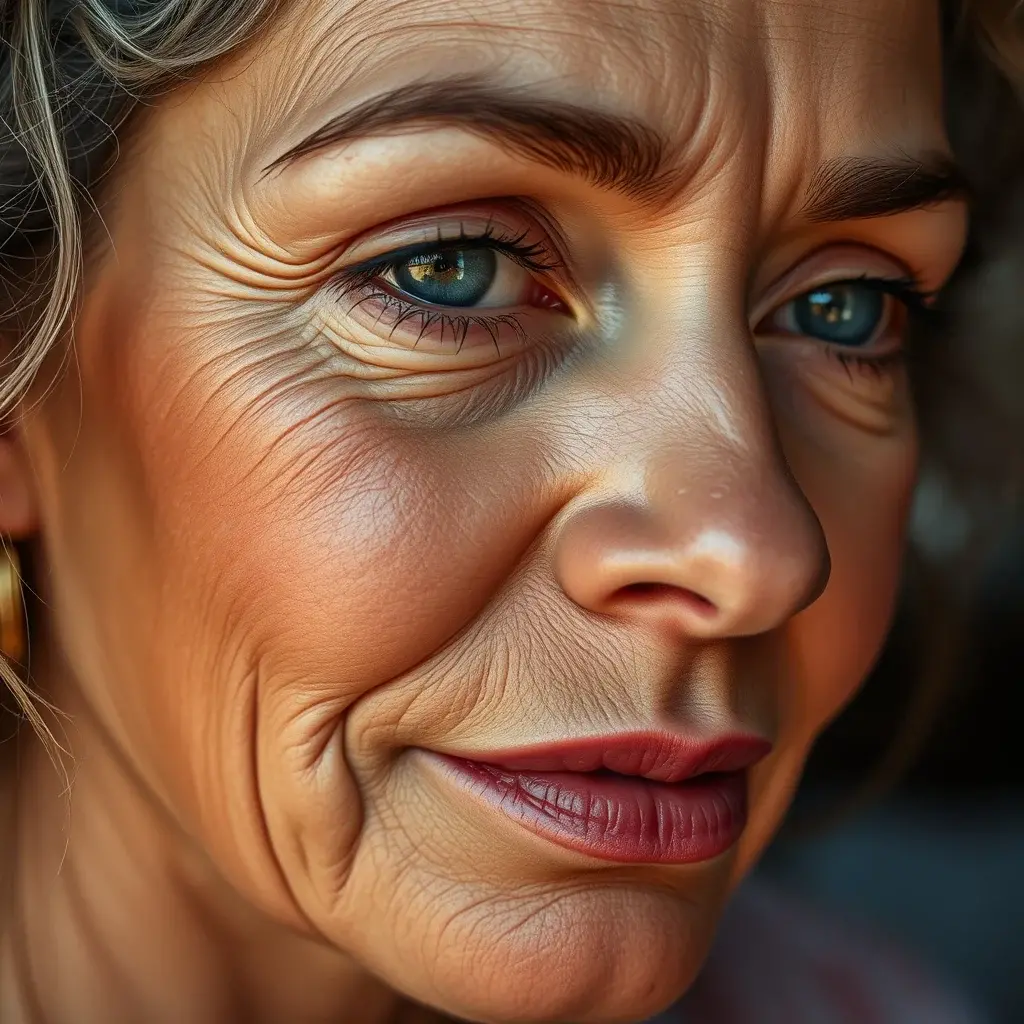
The pursuit of mature skin radiance has evolved from a niche concern into a mainstream priority, driven by demographic shifts and advancements in dermatological science. As the global population ages—with the number of individuals over 40 projected to exceed 2.5 billion by 2030—demand for targeted skincare over forty has surged. This trend is not merely cosmetic; it reflects a broader cultural recognition of skin health as integral to overall well-being. The market for pro-aging beauty rituals now spans high-end serums, medical-grade treatments, and holistic lifestyle adjustments, each promising to address the unique challenges of aging skin.
This article examines the multifaceted dimensions of mature skin radiance, from biological mechanisms to consumer behavior, regulatory frameworks, and emerging innovations. It synthesizes empirical data, expert insights, and stakeholder perspectives to provide a comprehensive overview of the current landscape.
The Current State of Skincare Over Forty: A 360-Degree Overview
Who: The primary stakeholders in the skincare over forty ecosystem include dermatologists, cosmetic chemists, beauty brands, regulatory agencies, and consumers—particularly women and men aged 40 to 65. Recent surveys indicate that 72% of individuals in this demographic prioritize skincare as part of their self-care routine, a 15% increase from a decade ago.
What: The core focus of mature skin radiance revolves around combating visible signs of aging, such as fine lines, loss of elasticity, uneven texture, and hyperpigmentation. Key product categories include collagen-boosting treatments, hydration-focused moisturizers, retinol-based formulations, and barrier-repairing serums. Beyond topical solutions, lifestyle factors—such as diet, sleep, and stress management—play a critical role in skin health.
When: The modern pro-aging beauty ritual emerged in the late 20th century, coinciding with advancements in dermatological research and the rise of the wellness industry. The 2010s marked a turning point, with the introduction of clinically validated ingredients like peptides, hyaluronic acid, and niacinamide, which became staples in midlife glow skincare regimens.
Where: The demand for skincare over forty is global, with the highest growth rates observed in North America, Europe, and East Asia. Urban centers with high disposable incomes, such as New York, London, Seoul, and Tokyo, serve as hubs for innovation and consumer education. However, the digitalization of beauty retail has democratized access, allowing consumers in emerging markets to adopt ageless beauty routines.
Why: The motivations behind the pursuit of mature skin radiance are multifaceted. Biological factors, such as declining collagen production and reduced cell turnover, drive the need for targeted interventions. Societal pressures, including ageism in professional and social settings, further amplify the desire for youthful appearance. Additionally, the rise of social media has normalized discussions about aging, reducing stigma and fostering a more inclusive beauty culture.
How: The approach to skincare over forty combines science-backed products with personalized routines. Dermatologists emphasize a layered strategy: cleansing, exfoliating, hydrating, and protecting. Advanced treatments, such as laser therapy and microneedling, complement daily regimens, while lifestyle modifications—like antioxidant-rich diets and adequate hydration—support long-term skin health.
Historical Context: The Evolution of Pro-Aging Beauty Rituals
The concept of pro-aging beauty rituals has undergone significant transformation over the past century. Key milestones include:
- 1920s-1950s: The beauty industry focused on anti-aging as a marketing tool, with products like cold creams and early moisturizers promising to
You may also like
-
Resveratrol in Age Defense: A Multidimensional Analysis of Antioxidant Science, Mechanisms, and Industry Evolution
-
The Comprehensive Science of Mature Skin Resilience: A Multidimensional Examination of Skincare Over Forty, Biological Adaptations, and Evidence-Based Innovations
-
The Strategic Framework of Mature Skin Resilience: A 360-Degree Examination of Skincare Over Forty, Biological Adaptations, and Evidence-Based Innovations
-
The Comprehensive Analysis of Individualistic Age Well Beauty: Autonomy, Confidence, and the Modern Reinterpretation of Aging
-
Sustainable Fashion: The Not-So-Trendy Truth Behind Eco-Friendly Couture