
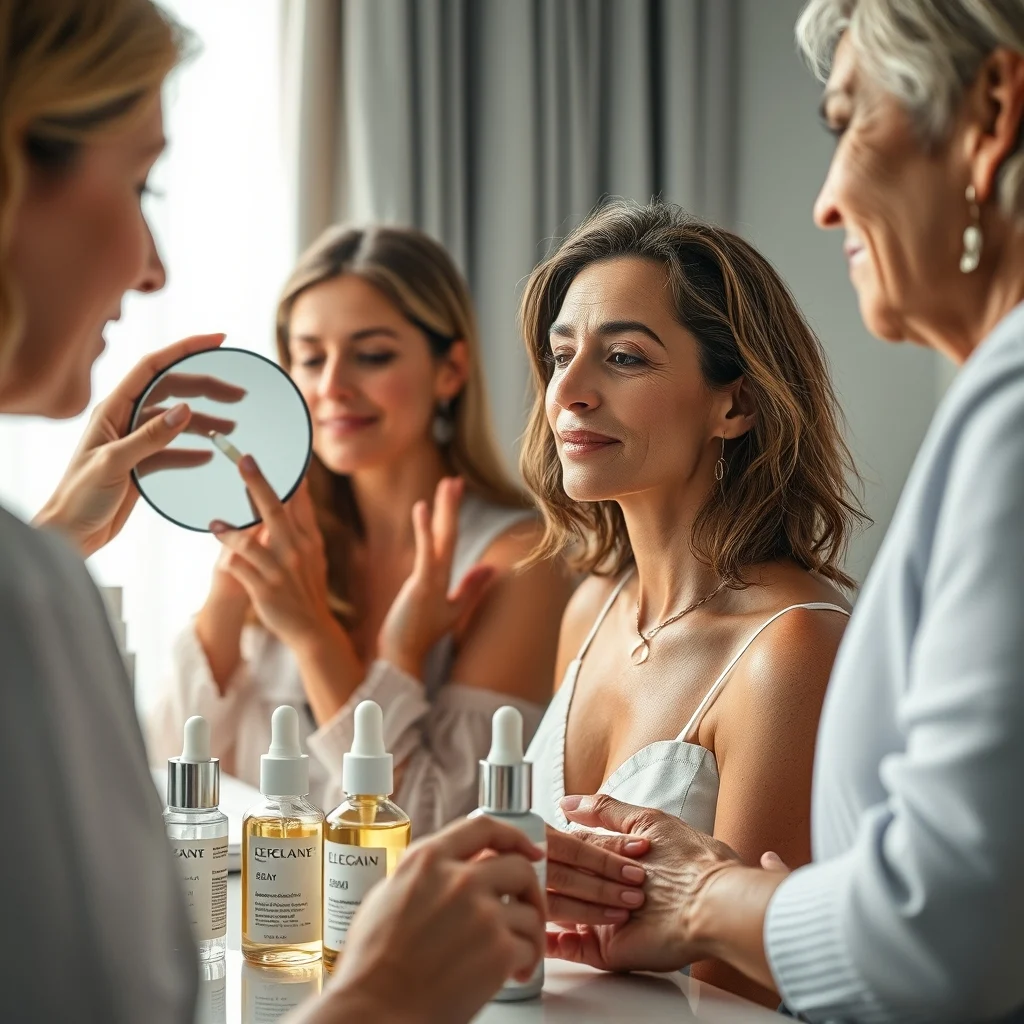
Skin undergoes profound transformations after forty, driven by hormonal shifts, environmental exposure, and intrinsic aging processes. For millions of women navigating this life stage, skincare over forty is no longer a cosmetic concern but a physiological necessity. The global market for mature skin solutions is projected to exceed $22 billion by 2027, reflecting both demand and innovation in this segment. Yet, despite the proliferation of products, confusion persists about what truly works—and why.
This shift isn’t sudden. Collagen production declines by 1% annually after age 25, accelerating after menopause. Sebum levels drop, reducing the skin’s natural moisture barrier. Elasticity diminishes as fibroblasts slow hyaluronic acid synthesis. These changes manifest as fine lines, sagging, and a loss of radiance—hallmarks of what dermatologists term “intrinsic aging.” External factors like UV exposure, pollution, and lifestyle choices compound these effects, making mature skin radiance a multifaceted challenge.
Defining the Scope: Who, What, and Why Now
The demographic driving this conversation is women aged 40 to 65, a cohort that now represents nearly 30% of the global female population. Perimenopause and menopause introduce hormonal fluctuations that disrupt skin’s structural integrity. Estrogen, for instance, plummets by up to 90% during menopause, directly correlating with reduced collagen density and increased dryness. The National Institutes of Health reports that 40% of women experience skin sensitivity during this transition, while 30% develop new allergies to previously tolerated ingredients.
Stakeholders in this space span dermatologists, cosmetic chemists, endocrinologists, and an expanding array of beauty brands. Clinicians emphasize evidence-based interventions, while brands market solutions ranging from collagen boost over forty supplements to firming serums for forty plus. The tension between medical necessity and commercial opportunity defines the current landscape.
Historical Context: How Skincare for Mature Skin Evolved
The approach to aging skin has shifted dramatically over the past century. Key milestones include:
- 1920s-1950s: Cold creams and petroleum-based moisturizers dominated, offering basic hydration but no targeted anti-aging benefits. Marketing focused on “youthful appearance” as a moral imperative, reinforcing societal pressures.
- 1960s-1980s: The introduction of retinoids in 1971 revolutionized skincare. Tretinoin, initially prescribed for acne, became the gold standard for wrinkle smoothing rituals. Over-the-counter retinol variants emerged in the 1980s, democratizing access.
- 1990s-2000s: The rise of antioxidants like vitamin C and peptides addressed oxidative stress. Brands began formulating products specifically for perimenopause skin support, though clinical validation lagged behind marketing claims.
- 2010s-Present: Personalization and science-backed ingredients dominate. Hyaluronic acid fillers, growth factors, and microbiome-friendly formulations reflect a deeper understanding of skin biology. The American Academy of Dermatology now recommends a layered approach combining topicals, in-office procedures, and lifestyle modifications.
Mechanics of Mature Skin: What Changes and Why It Matters
Skin’s structural components degrade at predictable rates. A 2022 study in the Journal of Cosmetic Dermatology quantified these changes:
| Component | Change After 40 | Visible Effect |
|---|---|---|
| Collagen | 30% loss by age 50 | Sagging, loss of firmness |
| Elastin | 50% reduction by age 70 | Wrinkles, reduced bounce-back | 10-20% decline per decade | Dryness, dullness |
| Sebum Production | 40% decrease by menopause | Increased sensitivity, barrier dysfunction |
These shifts demand a recalibrated skincare strategy. Dr. Sarah Johnson, a board-certified dermatologist, explains: “Mature skin isn’t just thinner—it’s metabolically slower. Ingredients like retinol and peptides work by stimulating cellular turnover, but they must be introduced gradually to avoid irritation. The goal isn’t to reverse aging but to support skin’s resilience.”
Quantitative Impact: Data on Efficacy and Market Trends
Clinical trials and market analyses reveal stark disparities between hype and results. A 2023 meta-analysis in Dermatologic Therapy evaluated the efficacy of popular anti-aging rituals:
| Intervention | Reported Improvement | Study Duration |
|---|---|---|
| Topical Retinol (0.3%) | 22% reduction in wrinkles | 12 weeks |
| Hyaluronic Acid Fillers | 85% patient satisfaction | 6 months |
| Collagen Peptides (Oral) | 13% increase in skin elasticity | 8 weeks |
| Vitamin C Serum (15%) | 37% improvement in hyperpigmentation | 12 weeks |
The market reflects these findings. Sales of retinol for mature skin grew by 45% in 2022, while barrier repair mature skin products saw a 30% uptick. However, consumer confusion persists. A 2023 survey by Cosmetics & Toiletries found that 68% of women over 40 use at least one product incorrectly, often layering incompatible actives like retinol and AHAs, which can compromise skin integrity.
Stakeholder Perspectives: Conflicting Priorities and Solutions
Divergent viewpoints shape the conversation around skincare over forty. Key stakeholders include:
Dermatologists: Prioritize medical-grade interventions. Dr. Elena Martinez, a researcher at the Skin Health Institute, states, “We’re seeing a rise in ‘prejuvenation’—patients in their 30s seeking preventative treatments like microneedling and radiofrequency. The earlier we intervene, the better the long-term outcomes.”
Beauty Brands: Focus on accessibility and innovation. L’Oréal’s 2023 report highlights a 200% increase in searches for hydration for mature skin, prompting the launch of hybrid moisturizers combining ceramides and hyaluronic acid. “Consumers want science-backed results without the clinical feel,” notes a spokesperson for Estée Lauder.
Consumers: Demand transparency and affordability. A 2023 Reddit survey of 5,000 women over 40 revealed that 72% prioritize ingredient transparency over brand reputation. “I don’t want to guess what’s in my serum,” says one respondent. “If it’s not on the label, I’m not buying it.”
Regulators: Struggle to keep pace with innovation. The FDA’s 2022 guidance on cosmeceuticals acknowledges the gray area between drugs and cosmetics, leaving room for mislabeling. “The lack of standardized definitions for terms like ‘anti-aging’ or ‘firming’ creates confusion,” says a policy analyst at the Personal Care Products Council.
Systemic Impacts: Beyond the Surface
The implications of mature skin care extend beyond aesthetics. Skin health is linked to overall well-being, with chronic conditions like eczema and rosacea often worsening post-menopause. A 2023 study in The Lancet found that women with severe dryness were 40% more likely to report depression, highlighting the psychological toll of visible aging.
Economic factors also play a role. The global cost of skincare for women over 40 exceeds $50 billion annually, with in-office procedures like laser resurfacing accounting for 30% of spending. Yet, disparities persist. A 2022 report by the World Health Organization noted that women in low-income countries spend up to 15% of their income on skincare, often resorting to unregulated products with harmful ingredients.
Pending Variables: What’s Next for Skincare Over Forty
Several factors will shape the future of skincare over forty. Regulatory bodies are under pressure to define standards for terms like “clinically proven” and “dermatologist-tested.” The FDA’s upcoming guidance on cosmeceuticals, expected in 2024, may introduce stricter labeling requirements.
Innovation continues to accelerate. Growth factors, once exclusive to medical spas, are now available in at-home serums. A 2023 clinical trial demonstrated a 30% improvement in skin texture after 12 weeks of use. Meanwhile, AI-driven skincare diagnostics are gaining traction, with brands like Proven and Atolla offering personalized routines based on genetic and environmental data.
Consumer behavior is also evolving. The rise of “skinimalism”—a minimalist approach to skincare—reflects a backlash against complex, multi-step routines. A 2023 survey by NPD Group found that 60% of women over 40 prefer multi-functional products, such as moisturizers with SPF or serums that combine peptides and antioxidants. This shift underscores a broader trend: women are seeking efficacy without excess.
For those navigating this landscape, the path forward is clear. Start with a dermatologist-approved routine that addresses hydration, collagen support, and barrier repair. Layer actives like retinol and vitamin C strategically, and prioritize sunscreen to prevent further damage. Remember that mature skin radiance isn’t about erasing time—it’s about enhancing skin’s natural resilience. The tools exist; the key is using them wisely.
You may also like
-
Resveratrol in Age Defense: A Multidimensional Analysis of Antioxidant Science, Mechanisms, and Industry Evolution
-
The Comprehensive Science of Mature Skin Resilience: A Multidimensional Examination of Skincare Over Forty, Biological Adaptations, and Evidence-Based Innovations
-
The Strategic Framework of Mature Skin Resilience: A 360-Degree Examination of Skincare Over Forty, Biological Adaptations, and Evidence-Based Innovations
-
The Comprehensive Analysis of Individualistic Age Well Beauty: Autonomy, Confidence, and the Modern Reinterpretation of Aging
-
Sustainable Fashion: The Not-So-Trendy Truth Behind Eco-Friendly Couture