
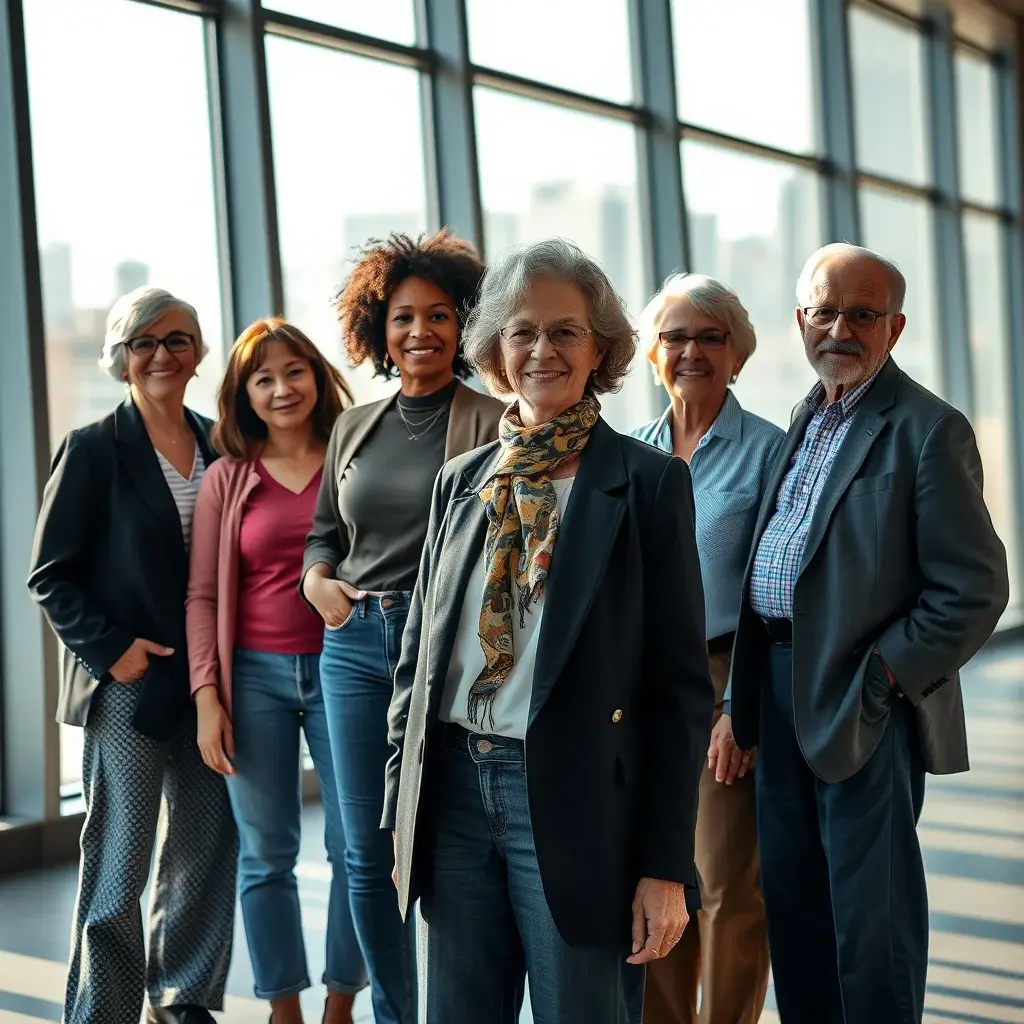
In 2024, the global population of adults aged 50 and above has surpassed 2.5 billion, representing nearly one-third of humanity. This demographic shift has catalyzed a cultural and commercial reckoning with aging, prompting individuals, industries, and institutions to redefine beauty standards, self-perception, and autonomy. The movement, often encapsulated under terms like “pro-aging” or “unapologetic aging,” challenges traditional narratives that equate youth with desirability and worth. Instead, it advocates for a paradigm where aging is not merely accepted but celebrated as a phase of life marked by wisdom, experience, and self-assurance. This article examines the multifaceted dimensions of aging in the modern era, from historical context to systemic impacts, stakeholder perspectives, and the evolving mechanics of empowerment.
Executive Summary
Who: The primary stakeholders in this discourse include individuals aged 40 and above, beauty and wellness industries, policymakers, healthcare providers, and media platforms. Secondary stakeholders encompass younger generations, whose perceptions of aging are being reshaped by these evolving standards.
What: The movement centers on redefining beauty and confidence beyond age-specific metrics, emphasizing self-love, autonomy, and the rejection of ageist stereotypes. It intersects with broader societal shifts, including the rise of inclusive marketing, the destigmatization of gray hair and wrinkles, and the growing demand for products and services tailored to mature skin and bodies.
When: While the roots of this movement trace back to the feminist and civil rights movements of the 1960s and 1970s, its current iteration gained momentum in the late 2010s. The COVID-19 pandemic accelerated this trend, as lockdowns prompted many to reassess their relationships with aging, beauty, and self-worth. By 2023, the global anti-aging market, valued at $62.6 billion in 2021, began to pivot toward “pro-aging” alternatives, reflecting a seismic shift in consumer preferences.
Where: This phenomenon is global but manifests differently across regions. In Western countries like the United States and the United Kingdom, the movement is closely tied to feminist discourse and the body positivity movement. In East Asia, where beauty standards have historically emphasized youth, the shift is slower but gaining traction, particularly among urban populations. Latin America and Africa are witnessing a rise in localized interpretations of aging, often blending traditional cultural values with modern empowerment narratives.
Why: The drivers behind this shift are multifaceted. Demographically, the aging population is larger and more influential than ever, wielding significant economic and cultural power. Psychologically, research indicates that self-perception of aging directly impacts mental and physical health, with positive attitudes correlating with longer lifespans and improved well-being. Commercially, brands recognize the untapped potential of the mature market, which controls over 50% of global discretionary spending. Sociopolitically, the movement aligns with broader calls for diversity, equity, and inclusion, challenging ageism as a form of discrimination.
How: The mechanics of this movement operate on multiple levels. Individually, people are adopting “confident aging rituals,” such as embracing natural hair, prioritizing skincare over anti-aging treatments, and curating wardrobes that reflect personal style rather than societal expectations. Systemically, industries are responding with inclusive marketing campaigns, product innovations, and policy changes. For example, beauty brands like L’Oréal and Dove have launched campaigns featuring older models, while fashion houses such as Gucci and Balenciaga have cast mature women in high-profile runway shows. Media platforms, including social media, are amplifying these voices, with influencers like Lyn Slater (Accidental Icon) and Helen Mirren redefining beauty standards for older adults.
Historical Context: From Anti-Aging to Pro-Aging
The modern discourse on aging and beauty has evolved through distinct phases, each reflecting broader societal attitudes and technological advancements:
- Pre-20th Century: Aging was often revered as a sign of wisdom and authority. In many cultures, elders held positions of power, and physical signs of aging, such as gray hair, were symbols of respect. However, beauty ideals were still largely tied to youth, particularly for women, who were expected to marry young and prioritize domestic roles.
- Early to Mid-20th Century: The rise of mass media and advertising in the 1920s and 1930s began to equate beauty with youth, fueled by the emergence of Hollywood and the cosmetics industry. By the 1950s, the term “anti-aging” entered the lexicon, coinciding with the post-war consumer boom and the medicalization of aging. Products like hormone replacement therapies and early skincare treatments promised to “reverse” the signs of aging.
- 1980s-1990s: The anti-aging industry exploded, driven by scientific advancements in dermatology and plastic surgery. The 1990s saw the proliferation of Botox, laser treatments, and invasive procedures, all marketed as essential tools for maintaining a youthful appearance. This era also witnessed the rise of ageism in the workplace, with older adults facing discrimination in hiring and promotions.
- 2000s-2010s: The backlash against anti-aging began to take shape. The body positivity movement, which gained traction in the 2010s, started to challenge narrow beauty standards, though it initially focused on size and race rather than age. Simultaneously, the rise of social media provided a platform for older adults to share their stories and challenge stereotypes. By 2015, the term “pro-aging” emerged as a counter-narrative, advocating for acceptance and celebration of the natural aging process.
- 2020s-Present: The pro-aging movement has entered the mainstream, driven by demographic shifts, economic power, and cultural evolution. The COVID-19 pandemic played a pivotal role, as lockdowns forced many to confront their mortality and reassess their priorities. The movement is now characterized by a focus on holistic well-being, self-acceptance, and the rejection of ageist stereotypes. Brands and media outlets are increasingly featuring diverse representations of aging, while policymakers are addressing ageism as a public health issue.
Operational Mechanics: How the Pro-Aging Movement Functions
The pro-aging movement operates through a combination of individual behaviors, industry practices, and systemic changes. At its core, it is a rejection of the idea that aging is a problem to be solved, instead framing it as a natural and valuable part of life.
Individual Level: For many, the journey begins with a shift in mindset. This often involves unlearning internalized ageism and embracing a “gray hair confidence” or “unapologetic aging” ethos. Practices such as adopting a skincare routine focused on hydration and protection rather than reversal, wearing makeup that enhances rather than conceals, and choosing clothing that reflects personal style over societal expectations are common. Social media has played a crucial role in normalizing these behaviors, with platforms like Instagram and TikTok hosting communities dedicated to “silver beauty empowerment” and “timeless self-confidence.”
Industry Level: The beauty and fashion industries have responded to this shift in several ways. Brands are reformulating products to cater to mature skin, which has different needs than younger skin, such as increased hydration and collagen support. Marketing campaigns are featuring older models and influencers, moving away from the youth-centric advertising of the past. For example, in 2022, L’Oréal Paris cast 70-year-old actress Helen Mirren as its global ambassador, a move that signaled a broader industry shift. Similarly, fashion brands like & Other Stories and Reformation have launched collections specifically designed for older adults, addressing fit and style preferences that are often overlooked.
Systemic Level: Beyond individual and industry changes, the pro-aging movement is influencing broader societal structures. In the workplace, companies are beginning to recognize the value of older employees, with some implementing policies to combat ageism in hiring and promotions. In healthcare, there is a growing emphasis on preventive care and holistic well-being, rather than solely focusing on treating age-related illnesses. Policymakers are also taking note, with organizations like the World Health Organization (WHO) launching campaigns to combat ageism and promote healthy aging. In 2021, the WHO released the Global Report on Ageism, which highlighted the pervasive nature of age-based discrimination and called for systemic changes to address it.
Quantitative Data Analysis: Measuring the Impact
The pro-aging movement is not just a cultural phenomenon; it is also an economic and social force with measurable impacts. The following data points illustrate its scope and influence:
| Metric | Data Point | Source |
|---|---|---|
| Global Anti-Aging Market Size (2021) | $62.6 billion | Grand View Research |
| Projected Pro-Aging Market Growth (2022-2030) | CAGR of 7.5% | Allied Market Research |
| Discretionary Spending by Adults 50+ (2023) | $8.3 trillion globally | AARP |
| Percentage of Adults 50+ Who Feel Represented in Media (2023) | 34% | American Society on Aging |
| Increase in Social Media Engagement for #ProAging (2020-2023) | 215% | Hootsuite |
| Percentage of Women 40+ Who Prioritize Skincare Over Anti-Aging (2023) | 68% | NPD Group |
| Workplace Age Discrimination Complaints (2022) | 15,000+ (U.S. alone) | EEOC |
These statistics underscore the economic and social significance of the pro-aging movement. The shift in consumer preferences is particularly notable, with a growing number of adults rejecting traditional anti-aging products in favor of those that promote healthy aging. For example, sales of moisturizers and serums labeled as “pro-aging” or “skin-positive” grew by 42% between 2020 and 2023, while sales of products labeled “anti-aging” declined by 12% in the same period.
Systemic Impacts: Beyond Beauty and Confidence
The pro-aging movement extends far beyond personal empowerment and beauty standards. Its systemic impacts are reshaping industries, policies, and societal attitudes in profound ways.
Economic Impact: The economic power of the 50+ demographic is undeniable. In the United States alone, adults aged 50 and above control 83% of household wealth and account for 56% of consumer spending. This economic influence is driving industries to adapt, from fashion and beauty to travel and technology. For example, the travel industry has seen a surge in demand for experiences tailored to older adults, such as wellness retreats and cultural tours. Similarly, tech companies are designing products with larger fonts, voice-activated features, and simplified interfaces to cater to older users.
Healthcare Impact: The pro-aging movement is also influencing healthcare, shifting the focus from treating age-related illnesses to promoting healthy aging. This includes preventive care, mental health support, and policies that address the social determinants of health. For instance, the WHO’s Decade of Healthy Ageing (2021-2030) initiative aims to improve the lives of older adults through a combination of healthcare, social support, and policy changes. The initiative emphasizes the importance of combating ageism, which has been linked to poorer health outcomes, including increased risk of cardiovascular disease and cognitive decline.
Workplace Impact: Ageism in the workplace remains a significant challenge, but the pro-aging movement is beginning to drive change. Companies are increasingly recognizing the value of older employees, who bring experience, stability, and institutional knowledge. Some organizations are implementing age-inclusive hiring practices, such as removing age-related questions from job applications and offering flexible work arrangements. Additionally, the rise of the gig economy has provided older adults with new opportunities for income and engagement, from freelance consulting to part-time roles in retail and hospitality.
Media and Representation: Media representation of aging has historically been limited and often negative, portraying older adults as frail, forgetful, or out of touch. The pro-aging movement is challenging these stereotypes by demanding more diverse and authentic representations. In 2023, a study by the Geena Davis Institute on Gender in Media found that only 15% of characters in top-grossing films were aged 50 or older, and of those, only 25% were women. However, there are signs of progress. Television shows like “Grace and Frankie” and “The Golden Girls” have celebrated older characters, while brands like Nike and Adidas have featured older athletes in their campaigns. Social media has also played a crucial role, with influencers like @advanced.style and @silversisters amassing large followings by showcasing stylish, confident older adults.
Stakeholder Perspectives: Voices from the Movement
The pro-aging movement is not monolithic; it encompasses a diverse range of perspectives, each shaped by personal experiences, cultural backgrounds, and professional expertise. The following quotes from key stakeholders highlight the multifaceted nature of this discourse.
Dr. Ashton Applewhite, Author and Anti-Ageism Advocate:
“Ageism is the last acceptable prejudice, and it’s time we dismantle it. The pro-aging movement isn’t about denying the challenges of aging; it’s about rejecting the idea that aging is a problem to be fixed. When we internalize ageist stereotypes, we harm our health, our relationships, and our society. The data is clear: people with positive self-perceptions of aging live longer, recover from illness faster, and are more resilient. This movement is about reclaiming our autonomy and demanding respect at every stage of life.”
Dr. Jeanette McLeod, Dermatologist and Founder of Pro-Aging Skincare Brand:
“The beauty industry has spent decades telling women that aging is something to fear. But the tide is turning. My patients are no longer asking for products to erase wrinkles; they’re asking for products that support their skin’s health. Mature skin has different needs—more hydration, more collagen support, more protection. The shift toward pro-aging skincare is about meeting those needs without shame or stigma. It’s about celebrating the skin you’re in, at every age.”
Lyn Slater, Fashion Influencer and Founder of Accidental Icon:
“I started Accidental Icon at 61 because I was tired of seeing fashion and beauty represented through a single, youthful lens. The response has been overwhelming. Women of all ages are hungry for representation that reflects their lived experiences. Fashion isn’t about age; it’s about self-expression. When we see older women in campaigns, on runways, and in magazines, it sends a powerful message: beauty isn’t confined to youth. It’s about confidence, style, and authenticity.”
Dr. Louise Aronson, Geriatrician and Author of “Elderhood”:
“Aging is a natural part of life, but our society treats it like a disease. The pro-aging movement is a necessary correction to this narrative. From a medical perspective, we know that social determinants—like ageism—have a profound impact on health. When older adults are marginalized or made to feel invisible, their physical and mental health suffers. This movement is about recognizing the value of every stage of life and creating systems that support well-being, not just longevity.”
The pro-aging movement continues to evolve, shaped by demographic shifts, economic realities, and cultural conversations. Upcoming regulatory milestones, such as the WHO’s ongoing efforts to combat ageism and the European Union’s proposed legislation on age-inclusive advertising, could further accelerate this shift. Market catalysts, including the growing influence of Gen X and Baby Boomer consumers and the rise of AI-driven personalized skincare, are also poised to redefine the landscape. As industries adapt and individuals embrace new paradigms of aging, the movement’s impact will likely extend beyond beauty and confidence, influencing how society values and supports its older members. The challenge lies in ensuring that this shift is inclusive, addressing the needs of diverse populations and avoiding the pitfalls of commercialization that could dilute its empowering message.
You may also like
-
Resveratrol in Age Defense: A Multidimensional Analysis of Antioxidant Science, Mechanisms, and Industry Evolution
-
The Comprehensive Science of Mature Skin Resilience: A Multidimensional Examination of Skincare Over Forty, Biological Adaptations, and Evidence-Based Innovations
-
The Strategic Framework of Mature Skin Resilience: A 360-Degree Examination of Skincare Over Forty, Biological Adaptations, and Evidence-Based Innovations
-
The Comprehensive Analysis of Individualistic Age Well Beauty: Autonomy, Confidence, and the Modern Reinterpretation of Aging
-
Sustainable Fashion: The Not-So-Trendy Truth Behind Eco-Friendly Couture