
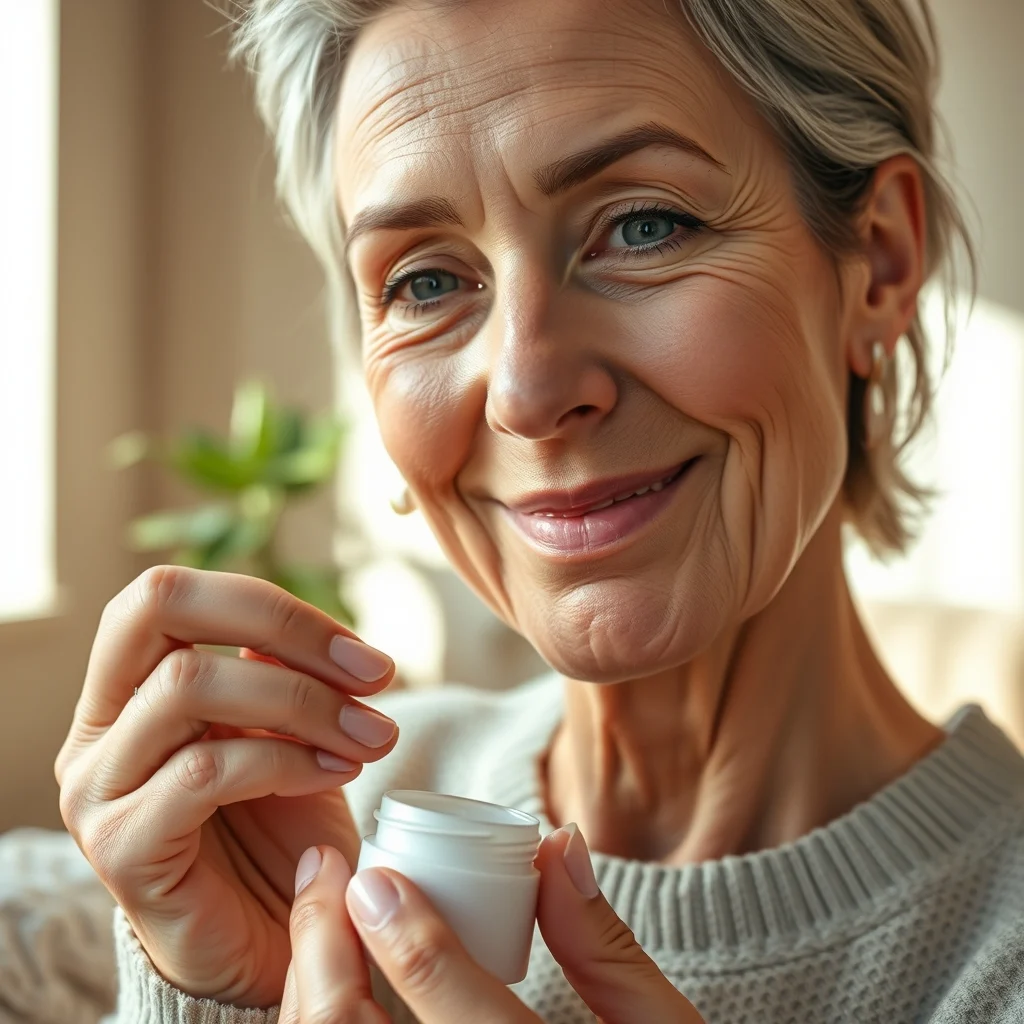
If you’ve spent years chasing skincare solutions that promise to turn back time—only to end up with redness, irritation, or products gathering dust—it’s time for a different approach. **Product recommendations for mature skin** don’t have to mean layering a dozen potions or relying on harsh actives that disrupt your skin’s delicate balance. Instead, the most effective routines today focus on strengthening the skin barrier, simplifying ingredients, and prioritizing what truly works. This isn’t about quick fixes; it’s about building resilience from within.
Why Skinimalism and Barrier Repair Are the Future of Mature Skin Care
Skinimalism isn’t about doing less—it’s about doing *better*. Mature skin often struggles with compromised barriers, which can lead to dryness, sensitivity, and even premature aging. The goal? To support your skin’s natural protective layer with minimal, high-performance ingredients. Think of it as giving your skin the right tools to heal itself rather than overwhelming it with unnecessary treatments.
Barrier repair starts with understanding that mature skin needs hydration, gentle exfoliation, and protection—not just anti-aging serums. Ingredients like ceramides, cholesterol, fatty acids, and hyaluronic acid work synergistically to restore the skin’s lipid barrier. These components aren’t just buzzwords; they’re the building blocks of healthy, youthful-looking skin.
When you focus on barrier repair, you’ll notice fewer signs of irritation, improved texture, and even better absorption of other active ingredients. It’s a holistic approach that addresses the root cause of many skin concerns rather than just masking symptoms.
The Essential Products for a Barrier-First Routine
A minimalist routine doesn’t mean sacrificing results. In fact, it often delivers better long-term outcomes. Start with a cleanser that doesn’t strip your skin of natural oils—look for terms like ‘low pH’ or ‘hydrating.’ Follow up with a lightweight, ceramide-rich moisturizer to lock in moisture and reinforce the skin’s protective layer.
For those with slightly drier or more sensitive skin, a barrier-repairing serum with niacinamide or peptides can be a game-changer. These ingredients help strengthen the skin’s defenses while also improving elasticity and reducing fine lines. The key is consistency: use these products daily, even if you’re not seeing immediate results.
Don’t overlook sunscreen—it’s the most critical step in any mature skin routine. A broad-spectrum SPF with antioxidants protects against UV damage, which accelerates aging. Opt for a formula that’s lightweight yet hydrating, so it doesn’t feel heavy or greasy.
How to Simplify Without Sacrificing Efficacy
The beauty of skinimalism is that you can achieve great results with fewer products. Many people make the mistake of layering too many actives, which can lead to irritation and compromised skin. Instead, focus on a few powerhouse ingredients that deliver multiple benefits.
For example, a well-formulated moisturizer with ceramides can replace the need for separate barrier-repair serums. Similarly, a gentle exfoliant with lactic acid (rather than harsh scrubs) can brighten and smooth without causing damage. The rule of thumb? If a product isn’t making your skin feel better within a few weeks, it’s not the right fit.
Another tip: patch-test new products, especially if you have sensitive skin. Introduce one new product at a time to monitor how your skin reacts. This slow-and-steady approach helps you build a routine that works *for you*, not just what’s trending.
Common Mistakes That Disrupt the Skin Barrier
Even with the best intentions, it’s easy to make mistakes that weaken the skin barrier. Over-exfoliating, using alcohol-based toners, or skipping sunscreen are all habits that can accelerate aging and sensitivity. Mature skin is more delicate, so it’s crucial to avoid anything that strips or irritates.
Another pitfall is assuming that
You may also like
-
Product Recommendations for Mature Skin: A Barrier-First, Skinimalism Approach
-
Product Recommendations for Mature Skin: A Barrier-First, Skinimalism Approach
-
What Is Anti Aging? 8 Proven Facts About Skin Aging
-
Mature Skin Care: Barrier-First Approach for Lasting Glow
-
Mature Skin Care: Quick Start with Peptide Actives