
Walk into any beauty store and you will see the words anti-aging on countless creams, serums, and devices. So, what is anti aging, and does it really work?
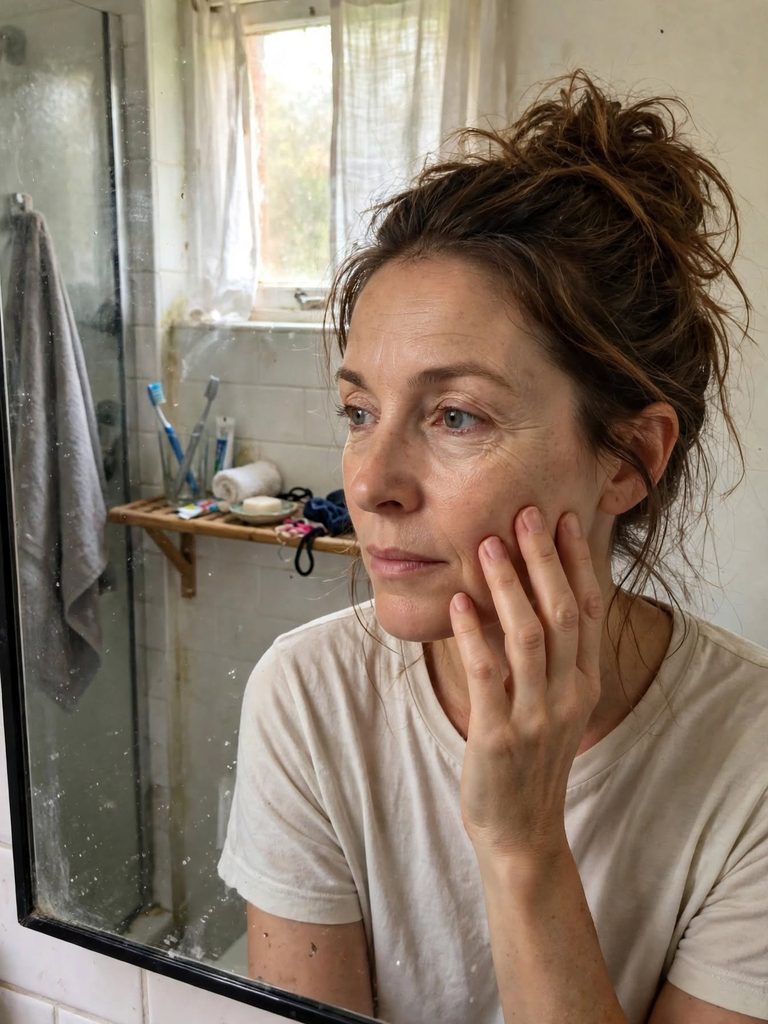
The honest answer is more practical than the marketing suggests. Skin aging is natural and cannot be stopped, but daily habits and the right products can slow visible changes and help your skin look healthier for longer.
This guide answers the question what is anti aging in simple terms. You will learn why skin ages, which ingredients have solid support, how to build a routine, and when to see a dermatologist.
[Insert featured image here. Alt text: what is anti aging skincare routine with sunscreen, retinol, and vitamin C serum]
What Is Anti Aging in Skincare? The Quick Answer
Anti-aging is a set of habits and products that protect your skin from premature aging and reduce visible signs such as fine lines, wrinkles, dark spots, and dullness. It does not stop the aging process. The core of any anti-aging plan is daily sunscreen, a good moisturizer, and, for many people, a retinoid.
1. What Is Anti Aging? A Simple Definition
In skincare, anti-aging means protecting and caring for your skin so it ages as slowly and as healthily as possible. The goal is not to look twenty again. It is to keep your skin strong, hydrated, and even-toned as the years pass.
Understanding what is anti aging helps you separate science from marketing. No cream can stop the natural aging process.
According to the American Academy of Dermatology, you cannot prevent skin from aging, but you can prevent premature aging with a few simple steps. Anti-aging care works in two ways:
- Prevention: Protecting skin from damage before it shows, mainly through sun protection, gentle care, and healthy habits.
- Correction: Improving how skin looks once changes appear, using ingredients such as retinoids and vitamin C or professional treatments.
2. What Causes Skin Aging?
Skin ages for two main reasons. Some are built in, and others come from your environment and habits.
| Type | Main causes | Can you control it? |
|---|---|---|
| Intrinsic (natural) aging | Genetics, time, hormonal changes | Only partly |
| Extrinsic (external) aging | Sun exposure, smoking, pollution, harsh skincare habits | Largely yes |
As we get older, skin naturally becomes thinner and drier, and wrinkles increase. Over time, the skin also makes less collagen and elastin, and cell turnover slows down.
Sun exposure is the biggest controllable factor. The AAD notes that the sun plays a major role in premature skin aging, which is why sun protection sits at the center of every anti-aging plan.
Irritation matters too. Skincare that stings or burns can make skin look older, so gentle care is part of the plan.
3. Visible Signs of Skin Aging
Skin changes gradually, and the first signs are often subtle. Common signs include:
- Fine lines and wrinkles
- Dryness and rough texture
- Dark spots and uneven skin tone
- Loss of firmness
- Dullness
- Thinner, more delicate skin
Not all of these need treatment. Many are a normal part of life, and anti-aging care simply helps skin stay comfortable and healthy.
4. Anti-Aging Ingredients With Strong Support
The market is crowded, but a few ingredients have the strongest backing from dermatologists.
| Ingredient | What it does | How to use it |
|---|---|---|
| Sunscreen (SPF 30 or higher) | Protects against UV rays, the main driver of premature aging | Every morning, reapply about every 2 hours outdoors |
| Retinoids (retinol, adapalene, tretinoin) | Increase cell turnover and reduce the look of fine lines | At night, start slowly, follow with moisturizer |
| Vitamin C | Antioxidant that supports brighter-looking skin | Morning, before moisturizer and sunscreen |
| Moisturizer (ceramides, glycerin, hyaluronic acid) | Traps water so skin looks plumper and smoother | Morning and night |
| Peptides and other antioxidants | Support the look of firmer, healthier skin | Morning antioxidants go on before sunscreen |
Many dermatologists build a regimen on three pillars: sunscreen, vitamin C, and retinoids.
Sunscreen
UV radiation causes wrinkles, fine lines, sun damage, and pigmentation, so sunscreen is the most important anti-aging product. The AAD recommends broad-spectrum protection, SPF 30 or higher, and water resistance.
If you use a moisturizer with sunscreen, remember that it still needs reapplying about every two hours when you are outdoors. See our skincare product recommendations for how to choose one.
Retinoids
Retinoids are vitamin A-based products. Retinol is a type of retinoid, and many retinoids are available over the counter, while stronger ones such as tretinoin need a prescription. Adapalene is one retinoid sold over the counter.
They work by increasing cell turnover, which helps reduce the look of fine lines and improve tone and texture. Use them at night, because they can make skin more sensitive to the sun, and follow with a moisturizer to prevent dryness.
Results take time, usually several months. If you are pregnant or planning a pregnancy, ask your doctor before using a retinoid. Our retinol for beginners guide explains how to start.
Vitamin C
Vitamin C is an antioxidant best used in the morning, after cleansing and before moisturizer and sunscreen. Start with a lower concentration if your skin is sensitive, and store the product in a cool, dark place so it does not oxidize. Learn more in our vitamin C serum guide.
Moisturizer
A moisturizer traps water in the skin, which gives it a more youthful appearance. Look for ceramides, glycerin, and hyaluronic acid. If your skin is very dry, read our guide to a moisturizer for dry skin.
[Insert infographic or short video here. Alt text: what is anti aging ingredients chart with sunscreen, retinoids, and vitamin C]
5. A Simple Routine Once You Know What Is Anti Aging
You do not need ten steps. Dermatologists suggest starting with a basic sunscreen and moisturizer, then layering products for specific concerns, as Dermatology Times summarizes from the AAD.
Morning routine
- Gentle cleanser: Limit face washing to twice a day.
- Vitamin C serum: Apply before moisturizer.
- Moisturizer: Hydrates and supports the skin barrier.
- Sunscreen: Broad-spectrum SPF 30 or higher.
Evening routine
- Gentle cleanser: Removes sunscreen and impurities.
- Retinoid: Start two or three nights a week and increase slowly.
- Moisturizer: Reduces dryness from the retinoid.
Choose products labeled fragrance-free, hypoallergenic, or non-comedogenic, and avoid scrubbing your skin.
6. Lifestyle Habits That Support Healthy Skin
Products are only part of the picture. Habits matter just as much when you ask what is anti aging in real life.
- Protect yourself from the sun: Use shade, wide-brimmed hats, and sun-protective clothing alongside sunscreen.
- Eat a balanced diet: The AAD lists healthy eating among the ways to reduce premature aging.
- Exercise regularly: It improves blood flow to the skin.
- Limit alcohol: Alcohol dehydrates the skin.
- Do not smoke: Smoking speeds up skin aging.
- Sleep well: Skin repairs itself overnight.
Small habits, repeated every day, often beat expensive products used occasionally.
7. What Is Anti Aging in Your 20s, 30s, and 40s and Beyond?
Your needs change as your skin changes. Here is a simple guide:
| Age | Main focus | Suggested steps |
|---|---|---|
| 20s | Prevention | Gentle cleanser, moisturizer, daily sunscreen, and a retinoid if needed |
| 30s | Prevention plus early correction | Add vitamin C and a retinoid for fine lines and dark spots |
| 40s and beyond | Hydration and repair | Richer moisturizer, retinoid, peptides, and regular skin checks |
During menopause, skin can change noticeably. Dermatologists suggest protecting skin from the sun, using products with retinol and peptides, and scheduling regular skin cancer screenings.
It is never too late to start. Consistent care at any age improves how your skin looks and feels.
8. Professional Treatments and When to See a Dermatologist
Some concerns need more than products. Professional treatments such as prescription retinoids, chemical peels, lasers, and injectables can address deeper wrinkles, stubborn dark spots, and sun damage. They are a different side of what is anti aging, and they work best when chosen with a professional.
See a board-certified dermatologist if you notice:
- Irritation, redness, or peeling that does not settle after starting a new product
- Many new dark spots or uneven pigmentation
- Moles or spots that change in size, shape, or color
- Wrinkles or sagging that bother you and do not respond to skincare
A dermatologist can match treatments to your skin type, goals, and budget.
9. What Is Anti Aging? Frequently Asked Questions
What is anti aging skincare for beginners?
Start with a gentle cleanser, a moisturizer, and a broad-spectrum sunscreen with SPF 30 or higher. After a few weeks, add one targeted product such as a retinoid or vitamin C.
What is anti aging, and can it stop aging?
No. Anti-aging cannot stop natural aging. It protects skin from premature aging and improves the look of fine lines, tone, and texture.
At what age should I start anti-aging skincare?
Sun protection and gentle care are useful from your 20s, and many people add a retinoid in their 20s or 30s. It is never too late to begin.
Can anti-aging products remove wrinkles?
They can soften the look of fine lines, but deep wrinkles usually need professional treatment. Results from products take several months and fade if you stop using them.
Is retinol better than vitamin C?
They do different jobs. Vitamin C works well in the morning as an antioxidant, while a retinoid works at night to support cell turnover. Many people use both.
Do I need anti-aging products if I already wear sunscreen?
Sunscreen is the foundation and the most important step. Other products are optional and depend on your concerns and skin type.
Are expensive anti-aging creams better?
Not necessarily. Ingredients, formulation, and consistent use matter more than price.
Conclusion
So, what is anti aging? It is not a way to stop time. It is a practical approach to protecting your skin, supporting its barrier, and improving how it looks as it changes.
The basics are simple: wear sunscreen every day, moisturize, be gentle with your skin, and add proven ingredients like retinoids and vitamin C when you are ready. Healthy habits such as eating well, exercising, and avoiding smoking support everything else.
Now that you know what is anti aging, start small, stay consistent, and see a dermatologist when you need personalized advice. Healthy, comfortable skin at any age is a goal worth working toward.
Check about Mature Skin Care: Avoid These Mistakes for Youthful Results