
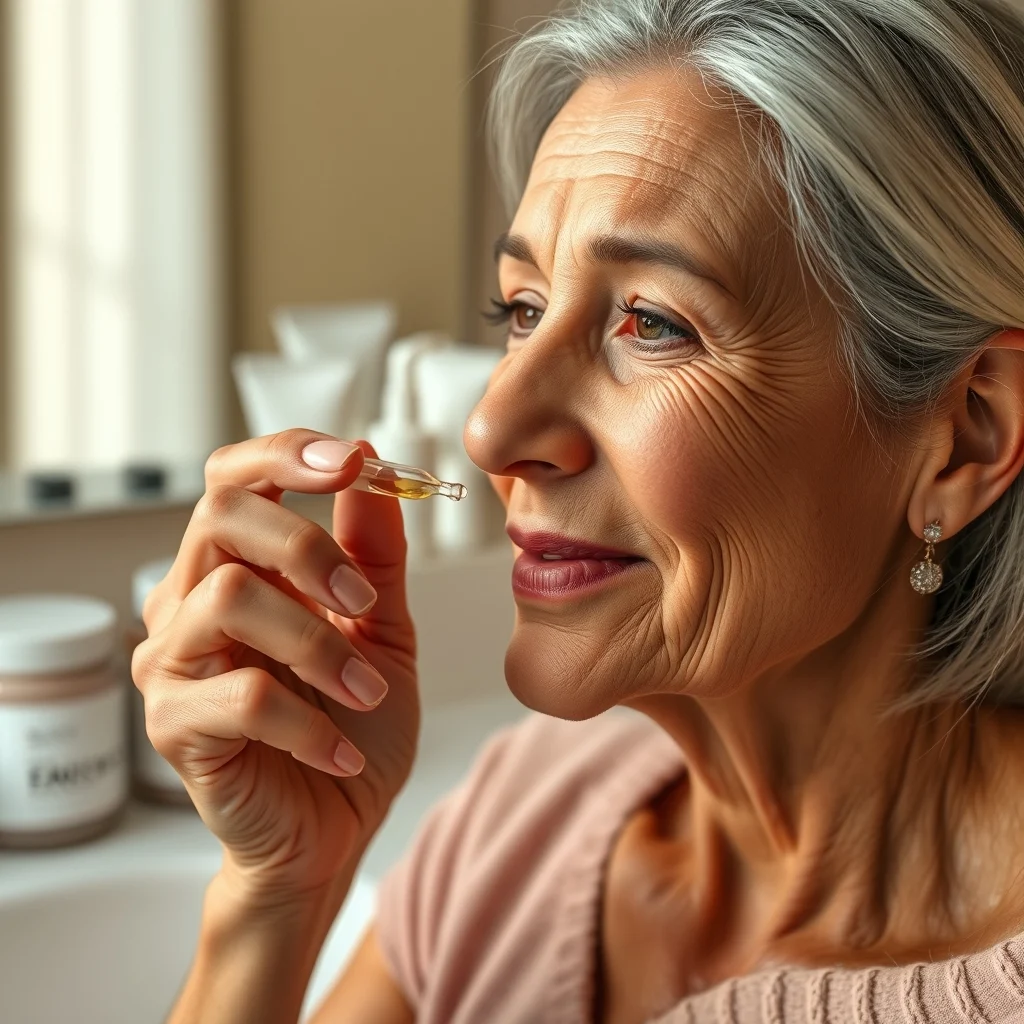
Finding the right product recommendations for mature skin can feel overwhelming, especially when you want more than just surface-level hydration. As skin ages, it craves ingredients that go beyond moisturizing—think cellular repair, collagen stimulation, and long-term resilience. The good news? Science-backed actives like peptides, PDRN, and biotech innovations are transforming how we approach aging skin, offering results that rival professional treatments without the downtime.
Why Peptides Are Non-Negotiable for Mature Skin
Peptides are short chains of amino acids that act as messengers, signaling your skin to produce more collagen and elastin. Unlike harsh exfoliants or retinol, they work gently to firm and plump, making them ideal for sensitive or reactive skin. Look for products with Matrixyl, Argireline, or copper peptides—these are proven to reduce fine lines while improving skin texture over time.
For best results, pair peptide serums with a moisturizer that locks in hydration. This combination helps the active ingredients penetrate deeper, maximizing their regenerative effects. If your skin feels tight or dull, peptides can also restore bounce and radiance within weeks.
The Rise of PDRN: The Next-Gen Skin Regenerator
Polydeoxyribonucleotide (PDRN) is a biotech ingredient derived from salmon DNA, known for its ability to accelerate wound healing and tissue repair. In skincare, it stimulates fibroblasts—the cells responsible for collagen production—while calming inflammation. This makes it a powerhouse for mature skin showing signs of sun damage or loss of elasticity.
PDRN is often found in ampoules or serums designed for nighttime use, as skin repair peaks during sleep. If you struggle with redness or uneven tone, this ingredient can help even out your complexion while strengthening your skin’s natural barrier. For those new to regenerative actives, start with a lower concentration to avoid irritation.
Biotech Ingredients: The Future of Anti-Aging
Beyond peptides and PDRN, biotech ingredients like epidermal growth factors (EGF) and stem cell extracts are gaining traction for their ability to mimic the skin’s natural renewal processes. These actives work at a cellular level, encouraging faster turnover and reducing the appearance of deep wrinkles. While they sound high-tech, many are now available in over-the-counter serums and creams.
A simple way to incorporate biotech ingredients is by swapping your regular serum for one with EGF or plant stem cells. Apply it after cleansing but before moisturizing to ensure optimal absorption. Over time, you’ll notice firmer, more resilient skin with fewer visible signs of aging.
How to Layer Regenerative Actives for Maximum Impact
Layering skincare products correctly can make or break your results. Start with a gentle cleanser to remove impurities without stripping your skin. Follow with a peptide serum, then apply a PDRN or EGF-based product. Finish with a moisturizer containing ceramides or hyaluronic acid to seal everything in.
Avoid mixing too many actives at once, as this can lead to irritation. Instead, alternate between regenerative serums on different nights. For example, use peptides one night and PDRN the next. This approach gives your skin time to adapt while reaping the benefits of both.
Common Mistakes to Avoid with Regenerative Skincare
One of the biggest mistakes people make is expecting overnight results. Regenerative actives like peptides and PDRN work gradually, so consistency is key. Another pitfall is over-exfoliating, which can compromise your skin barrier and reduce the effectiveness of these ingredients. Stick to gentle exfoliation 1-2 times a week to maintain balance.
Lastly, don’t forget sunscreen. Even the most advanced regenerative products can’t protect against UV damage, which accelerates aging. A broad-spectrum SPF 30 or higher should be a non-negotiable part of your routine. For more guidance on safe skincare practices, visit the American Academy of Dermatology.
Quick Wins for Busy Schedules
If you’re short on time, focus on multi-tasking products. A peptide-infused moisturizer, for example, can hydrate while delivering anti-aging benefits. Another time-saver is using a regenerative serum under your makeup—just make sure it’s fully absorbed before applying foundation.
For those who travel frequently, opt for travel-sized ampoules or sheet masks with PDRN or EGF. These single-use treatments are convenient and deliver a concentrated dose of actives without the hassle of a full routine. Even small steps can lead to noticeable improvements over time.
Regenerative skincare isn’t about chasing perfection—it’s about supporting your skin’s natural ability to renew itself. By incorporating peptides, PDRN, and biotech ingredients into your routine, you’re investing in long-term vitality rather than quick fixes. Start with one or two products, observe how your skin responds, and adjust as needed. The journey to healthier, more resilient skin begins with the right ingredients and a little patience.