
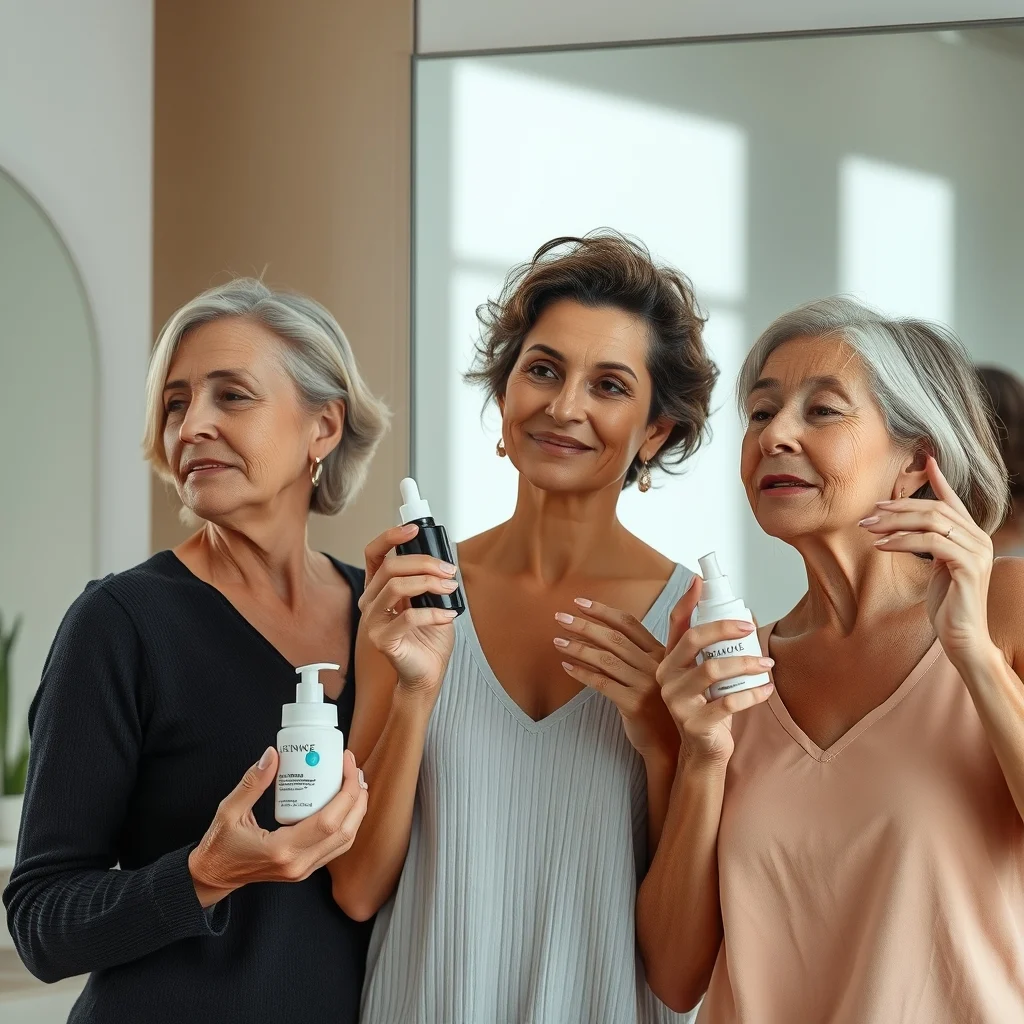
Skin changes after forty are not merely cosmetic concerns but a complex interplay of biology, lifestyle, and environmental factors. As collagen production declines by approximately 1% annually after age 25, women and men in their forties and beyond face a shifting landscape of mature skin radiance needs. The global anti-aging market, valued at $62.6 billion in 2023, reflects this demand, with projections indicating a compound annual growth rate of 7.1% through 2030. Yet, the pursuit of ageless beauty extends beyond products—it requires a nuanced understanding of skincare over forty, from barrier repair to elasticity restoration.
This transformation is not sudden. Hormonal fluctuations, particularly during perimenopause, accelerate skin thinning, moisture loss, and reduced elasticity. A 2022 study published in the Journal of Clinical and Aesthetic Dermatology found that 75% of women aged 40-55 reported increased dryness and sensitivity. Meanwhile, environmental stressors like UV exposure and pollution exacerbate oxidative damage, contributing to fine lines and uneven texture. The stakes are high: skin health after forty influences confidence, self-perception, and even social engagement.
The Biological Foundations of Mature Skin
Mature skin undergoes structural changes that demand targeted interventions. Collagen, the protein responsible for skin’s firmness, depletes at an accelerated rate post-40. A 2021 study in Dermatologic Surgery revealed that women lose up to 30% of their dermal collagen within the first five years of menopause. This decline manifests as sagging, particularly around the jawline and neck, and deeper wrinkles around the eyes and mouth.
Hyaluronic acid, a humectant that binds water to skin cells, also diminishes with age. Research from the British Journal of Dermatology shows that hyaluronic acid levels drop by nearly 50% between ages 30 and 50. The result? Skin that struggles to retain moisture, leading to dullness and a compromised barrier. Dr. Ava Shamban, a board-certified dermatologist, notes, “Mature skin isn’t just drier—it’s less resilient. The lipid barrier weakens, making it more susceptible to irritation and environmental damage.”
These biological shifts are compounded by external factors. UV exposure accounts for up to 80% of visible aging, according to the Skin Cancer Foundation. Pollution, blue light from screens, and even stress hormones like cortisol further degrade skin integrity. The cumulative effect is a skin ecosystem that requires more than generic moisturizers—it demands a pro aging beauty ritual grounded in science.
Historical Context: How Skincare for Mature Skin Evolved
The approach to skincare over forty has undergone significant transformation over the past century. In the early 1900s, anti-aging products were rudimentary, often relying on heavy creams and oils with little scientific backing. The 1960s introduced retinoids, initially developed to treat acne but later recognized for their collagen-boosting properties. By the 1990s, the focus shifted to antioxidants like vitamin C and peptides, which became staples in midlife glow skincare routines.
Key milestones in mature skin care include:
- 1980s: Introduction of alpha hydroxy acids (AHAs) for exfoliation, revolutionizing texture improvement.
- 2000s: Rise of hyaluronic acid serums, addressing hydration gaps in mature skin.
- 2010s: Growth of barrier-repair technologies, such as ceramides and cholesterol, to combat sensitivity.
- 2020s: Emergence of microbiome-focused skincare, recognizing the role of skin flora in resilience.
Today, the industry prioritizes personalized solutions. Brands like SkinCeuticals and Dr. Barbara Sturm offer formulations tailored to hormonal changes, while indie brands like Biossance focus on sustainable, science-backed ingredients. This evolution reflects a broader shift from one-size-fits-all products to targeted, evidence-based regimens.
The Mechanics of an Effective Pro Aging Beauty Ritual
A pro aging beauty ritual for mature skin operates on three pillars: protection, repair, and enhancement. Each step addresses a specific biological need, creating a synergistic effect that transcends individual products.
1. Protection: The foundation of any mature skincare routine is sunscreen. A broad-spectrum SPF 30 or higher shields against UVA and UVB rays, preventing photoaging. Mineral sunscreens with zinc oxide or titanium dioxide are ideal for sensitive skin, as they sit on the surface rather than absorbing into the skin. Dr. Shereene Idriss, a New York-based dermatologist, emphasizes, “Sunscreen is non-negotiable. It’s the single most effective tool to prevent collagen breakdown and hyperpigmentation.”
2. Repair: Mature skin requires ingredients that stimulate cell turnover and reinforce the moisture barrier. Retinol, a derivative of vitamin A, remains the gold standard for fine lines treatment. A 2019 study in the Journal of Cosmetic Dermatology found that 0.3% retinol improved wrinkles by 20% over 12 weeks. For those sensitive to retinol, bakuchiol—a plant-based alternative—offers similar benefits without irritation.
Ceramides and fatty acids are equally critical. These lipids restore the skin barrier, reducing transepidermal water loss. A 2020 study in Clinical, Cosmetic and Investigational Dermatology demonstrated that ceramide-containing moisturizers improved hydration by 35% in mature skin over eight weeks.
3. Enhancement: This phase focuses on boosting radiance and elasticity. Vitamin C serums brighten dull skin by inhibiting melanin production, while peptides signal fibroblasts to produce more collagen. Hyaluronic acid, applied topically or via injectables, plumps skin by attracting up to 1,000 times its weight in water. For sagging skin, firming serums with ingredients like niacinamide and caffeine temporarily tighten the appearance of skin.
Quantitative Data: Measuring the Impact of Skincare Over Forty
Empirical data underscores the efficacy of targeted skincare over forty. The following table compares the outcomes of key ingredients based on clinical studies:
| Ingredient | Primary Benefit | Study Duration | Reported Improvement | Source |
|---|---|---|---|---|
| Retinol (0.3%) | Wrinkle reduction | 12 weeks | 20% improvement in fine lines | Journal of Cosmetic Dermatology, 2019 |
| Vitamin C (10-20%) | Brightening | 8 weeks | 32% reduction in hyperpigmentation | Dermatologic Surgery, 2018 |
| Hyaluronic Acid (2%) | Hydration | 4 weeks | 55% increase in skin moisture | Journal of Clinical and Aesthetic Dermatology, 2021 |
| Ceramides (1-3%) | Barrier repair | 8 weeks | 35% improvement in hydration | Clinical, Cosmetic and Investigational Dermatology, 2020 |
Beyond topical treatments, lifestyle factors play a measurable role. A 2023 study in JAMA Dermatology found that women who slept 7-9 hours nightly had 30% fewer wrinkles than those who slept less than 6 hours. Similarly, diets rich in omega-3 fatty acids and antioxidants correlated with a 25% reduction in skin roughness. These findings highlight the interconnectedness of age well beauty forty plus and holistic wellness.
Stakeholder Perspectives: Conflicting Priorities in Mature Skincare
The skincare over forty landscape is shaped by diverse stakeholders, each with distinct priorities. Dermatologists advocate for evidence-based solutions, while brands balance efficacy with marketability. Consumers, meanwhile, navigate a flood of information, often prioritizing visible results over long-term skin health.
Dermatologists: Focus on medical-grade ingredients and personalized regimens. Dr. Dendy Engelman, a board-certified dermatologist, states, “Mature skin needs a layered approach. You can’t rely on one miracle product—it’s about combining actives like retinol, vitamin C, and peptides in a way that minimizes irritation.” Dermatologists also caution against over-exfoliation, which can exacerbate sensitivity in mature skin.
Brands: The beauty industry’s approach varies by segment. Luxury brands like La Mer emphasize heritage and sensory experience, while clinical brands like SkinMedica prioritize high concentrations of actives. Indie brands often fill gaps in the market, such as clean, hormone-supportive formulations. However, the lack of standardized regulations allows for marketing claims that may outpace scientific validation. A 2022 report by the FDA found that 60% of anti-aging products lacked sufficient evidence to support their efficacy claims.
Consumers: Women over forty are increasingly informed but face decision fatigue. A 2023 survey by NPD Group revealed that 45% of women aged 40-60 feel overwhelmed by skincare choices. Social media amplifies this confusion, with influencers promoting trends like “skin flooding” or “slugging” without context. Yet, consumer demand is driving innovation. The same survey found that 68% of women over forty are willing to pay a premium for products backed by clinical data.
Regulators: Agencies like the FDA and EU’s Scientific Committee on Consumer Safety (SCCS) monitor ingredient safety but lack authority over efficacy claims. This regulatory gap leaves consumers vulnerable to misleading marketing. In 2021, the FDA issued warning letters to several brands for unapproved claims about collagen-boosting products, highlighting the need for stricter oversight.
Emerging Paradigms: The Future of Skincare Over Forty
The next frontier of mature skin radiance lies in precision and prevention. Advances in biotechnology are paving the way for personalized skincare, with companies like Curology and Proven using AI to tailor formulations based on genetic and lifestyle data. Epigenetic skincare, which targets gene expression to slow aging, is also gaining traction. A 2023 study in Nature Aging demonstrated that certain peptides could activate genes associated with collagen production, offering a new avenue for collagen boost over forty.
Hormonal skincare is another growing segment. As awareness of perimenopause and menopause increases, brands are developing products to address estrogen-related skin changes. Ingredients like phytoestrogens and adaptogens are being incorporated into serums and moisturizers to support perimenopause skin support. Dr. Louise Newson, a menopause specialist, explains, “Estrogen plays a crucial role in skin thickness and hydration. As levels decline, targeted skincare can help mitigate these effects.”
Sustainability is also reshaping the industry. Consumers are demanding eco-friendly packaging and ethically sourced ingredients. Brands like REN Clean Skincare and Biossance are leading the charge, using recycled materials and plant-based alternatives to traditional actives. This shift reflects a broader trend: mature consumers are prioritizing values alongside efficacy.
As the skincare over forty market evolves, the focus will increasingly shift from reversing aging to optimizing skin health. The goal is not to erase time but to enhance resilience, ensuring that skin remains vibrant and functional at every stage. With advancements in science and a growing emphasis on personalization, the tools to achieve this are more accessible than ever—but they require informed, intentional use. The future of mature skin radiance lies in balancing innovation with evidence, and individuality with universal needs.
You may also like
-
Resveratrol in Age Defense: A Multidimensional Analysis of Antioxidant Science, Mechanisms, and Industry Evolution
-
The Comprehensive Science of Mature Skin Resilience: A Multidimensional Examination of Skincare Over Forty, Biological Adaptations, and Evidence-Based Innovations
-
The Strategic Framework of Mature Skin Resilience: A 360-Degree Examination of Skincare Over Forty, Biological Adaptations, and Evidence-Based Innovations
-
The Comprehensive Analysis of Individualistic Age Well Beauty: Autonomy, Confidence, and the Modern Reinterpretation of Aging
-
Sustainable Fashion: The Not-So-Trendy Truth Behind Eco-Friendly Couture