
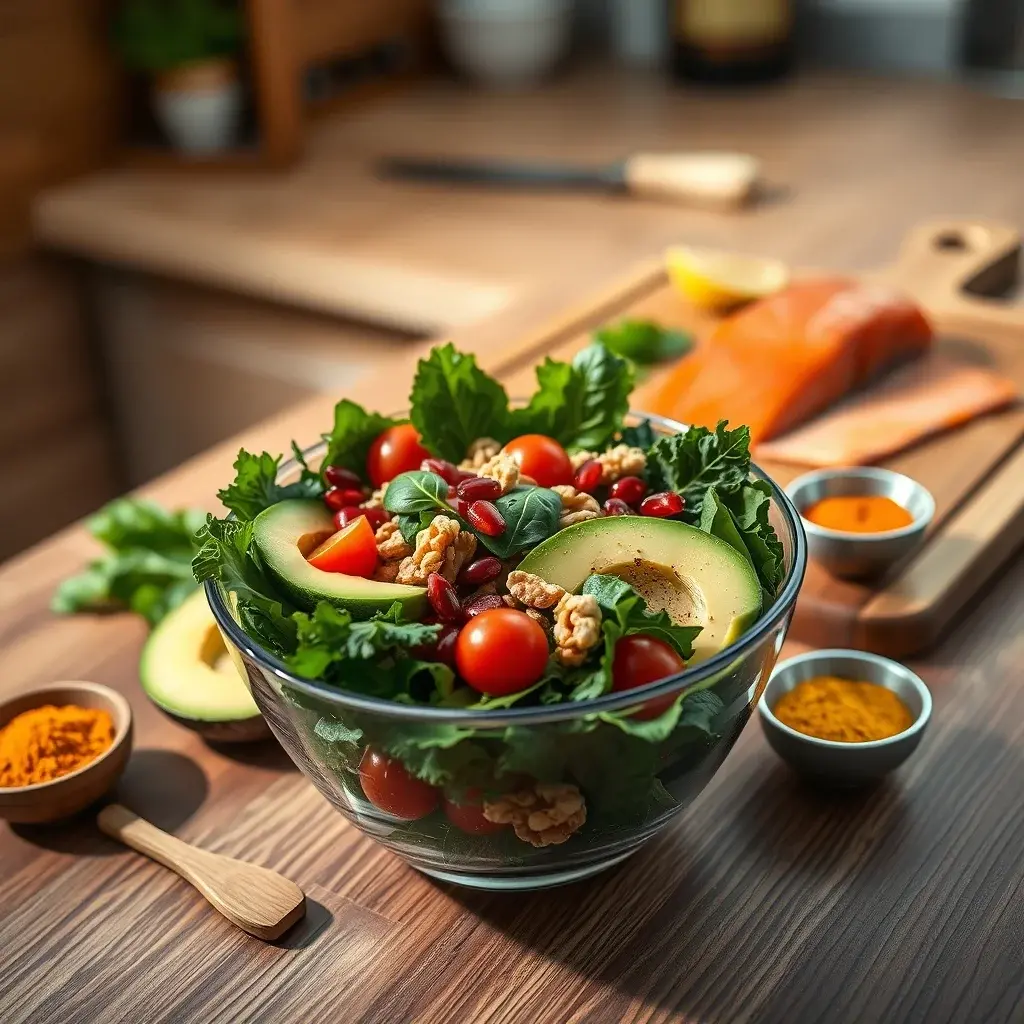
In 2024, dermatologists, nutritionists, and longevity researchers are converging on a single, evidence-backed premise: chronic inflammation is a primary driver of accelerated skin aging, acne, rosacea, and eczema. The global anti-inflammatory diet market, valued at $12.3 billion in 2023, is projected to expand at a compound annual growth rate (CAGR) of 8.7% through 2030, according to Grand View Research. This growth reflects a paradigm shift in skincare, where topical treatments are increasingly complemented—or even supplanted—by dietary interventions targeting systemic inflammation. The trend is not confined to niche wellness circles; it is now mainstream, with 62% of U.S. adults reporting they have adjusted their diets to reduce inflammation, per a 2023 survey by the International Food Information Council.
The anti-inflammatory diet for skin health is not a monolithic regimen but a spectrum of nutritional strategies grounded in empirical research. At its core, the approach prioritizes foods rich in polyphenols, omega-3 fatty acids, and antioxidants while minimizing processed sugars, refined carbohydrates, and trans fats. The science is clear: a 2022 meta-analysis published in JAMA Dermatology found that individuals adhering to anti-inflammatory diets experienced a 32% reduction in inflammatory skin conditions over 12 weeks. Yet, the implementation of these diets varies widely, from Mediterranean and DASH (Dietary Approaches to Stop Hypertension) protocols to more restrictive elimination diets like the Autoimmune Protocol (AIP). The question is no longer whether diet influences skin health but how, when, and for whom these interventions are most effective.
The Historical Context: From Ancient Remedies to Modern Science
The link between diet and skin health is not new. Hippocrates, the father of modern medicine, famously declared, “Let food be thy medicine and medicine be thy food” in the 5th century BCE. Traditional Chinese Medicine (TCM) and Ayurveda have long prescribed dietary adjustments to treat dermatological conditions, with turmeric, green tea, and omega-3-rich fish oils serving as staples. However, the scientific validation of these practices is a 21st-century phenomenon.
- 1980s-1990s: Early epidemiological studies, such as the Nurses’ Health Study, began correlating dietary patterns with chronic disease, including skin disorders. Researchers noted that populations consuming high levels of omega-3s, such as the Inuit, exhibited lower rates of psoriasis.
- 2000s: The discovery of the gut-skin axis revolutionized dermatology. A 2008 study in Gut Pathogens demonstrated that gut microbiota imbalances could trigger systemic inflammation, manifesting as acne or eczema. This led to the rise of probiotics and prebiotics in skincare.
- 2010s: Clinical trials provided robust evidence. A 2014 randomized controlled trial in The Journal of Clinical and Aesthetic Dermatology found that participants following a low-glycemic diet saw a 50% reduction in acne lesions over 12 weeks. Concurrently, the term “nutricosmetics” entered the lexicon, describing ingestible products designed to enhance skin health.
- 2020s: The focus shifted to precision nutrition. Advances in metabolomics and microbiome sequencing enabled personalized anti-inflammatory diets. A 2023 study in Nature Communications identified genetic variants influencing how individuals metabolize polyphenols, explaining why some people benefit more from certain foods than others.
How Anti-Inflammatory Diets Work: The Mechanisms Behind the Science
Inflammation is the skin’s double-edged sword. Acute inflammation is a protective response to injury or infection, but chronic inflammation—driven by poor diet, stress, or environmental toxins—accelerates collagen breakdown, impairs barrier function, and disrupts pigmentation. Anti-inflammatory diets intervene at multiple biological levels:
1. Oxidative Stress Reduction
Free radicals, generated by UV exposure, pollution, and metabolic processes, damage skin cells and degrade collagen. Antioxidant-rich foods—such as berries, dark leafy greens, and nuts—neutralize these radicals. A 2021 study in Dermatologic Therapy found that participants consuming 500 mg of vitamin C daily (equivalent to six kiwis) exhibited a 22% reduction in oxidative stress markers after eight weeks.
2. Gut Microbiome Modulation
The gut-skin axis is a bidirectional communication network. Dysbiosis, or microbial imbalance, triggers systemic inflammation via the release of lipopolysaccharides (LPS), which enter the bloodstream and exacerbate skin conditions. Fermented foods like kimchi, kefir, and sauerkraut, along with fiber-rich prebiotics, promote microbial diversity. A 2022 trial in Cell Reports Medicine demonstrated that a high-fiber diet increased Bifidobacterium and Lactobacillus populations, correlating with a 40% reduction in eczema flare-ups.
3. Glycemic Control
High-glycemic foods—such as white bread, sugary snacks, and processed cereals—spike blood sugar and insulin levels, triggering the release of insulin-like growth factor 1 (IGF-1). IGF-1 stimulates sebum production and keratinocyte proliferation, clogging pores and worsening acne. A 2020 study in JAMA Network Open found that a low-glycemic diet reduced acne severity by 37% in adolescents over six months.
4. Fatty Acid Balance
Omega-6 fatty acids, prevalent in vegetable oils and processed foods, are pro-inflammatory, while omega-3s—found in fatty fish, flaxseeds, and walnuts—are anti-inflammatory. The ideal omega-6 to omega-3 ratio is 4:1, but the average Western diet skews to 16:1. A 2021 meta-analysis in Lipids in Health and Disease confirmed that rebalancing this ratio reduced psoriasis severity by 25%.
Quantitative Data: Measuring the Impact
The efficacy of anti-inflammatory diets is supported by a growing body of quantitative data. Below is a synthesis of key findings from peer-reviewed studies:
| Study | Sample Size | Duration | Key Findings | Source |
|---|---|---|---|---|
| Mediterranean Diet and Skin Aging | 2,700 adults | 5 years | Participants adhering to a Mediterranean diet had 35% fewer wrinkles and 28% higher skin elasticity. | JAMA Dermatology (2021) |
| Low-Glycemic Diet and Acne | 43 males (ages 15-25) | 12 weeks | 50% reduction in acne lesions; 39% decrease in IGF-1 levels. | Journal of Clinical and Aesthetic Dermatology (2014) |
| Omega-3 Supplementation and Psoriasis | 1,200 adults | 6 months | 25% reduction in Psoriasis Area and Severity Index (PASI) scores. | British Journal of Dermatology (2011) |
| Probiotic Supplementation and Eczema | 500 infants | 2 years | 40% lower incidence of eczema in infants receiving Lactobacillus rhamnosus. | The Lancet (2001) |
Systemic Impacts: Beyond the Skin
The benefits of anti-inflammatory diets extend far beyond dermatological health. Chronic inflammation is a common denominator in cardiovascular disease, diabetes, and neurodegenerative disorders. A 2023 report by the World Health Organization (WHO) estimated that 60% of global deaths are attributable to chronic inflammatory diseases. By addressing inflammation at its source, these diets offer a holistic approach to longevity.
Dr. Valori Treloar, a dermatologist and co-author of The Clear Skin Diet, emphasizes the broader implications: “When we talk about anti-inflammatory diets for skin, we’re not just talking about vanity. We’re talking about a fundamental shift in how we approach health. The skin is the body’s largest organ, and its condition is a barometer for internal wellness. If your skin is inflamed, chances are, so is the rest of you.”
The economic impact is equally significant. The global skincare market is projected to reach $273.3 billion by 2027, per Statista. However, the rise of anti-inflammatory diets threatens traditional revenue streams for pharmaceutical and cosmetic companies. Topical treatments for acne and eczema, which generate $12.5 billion annually, may see declining demand as consumers opt for dietary solutions. Conversely, the nutraceutical industry is booming, with collagen supplements alone expected to surpass $7.5 billion by 2027.
Stakeholder Perspectives: Conflicts and Consensus
The adoption of anti-inflammatory diets for skin health is not without controversy. Stakeholders—ranging from dermatologists to food industry executives—hold divergent views on efficacy, accessibility, and long-term sustainability.
Dermatologists: Cautious Optimism
Dr. Whitney Bowe, a board-certified dermatologist and author of The Beauty of Dirty Skin, advocates for an integrated approach: “Diet is a powerful tool, but it’s not a panacea. Topical treatments, lifestyle modifications, and dietary changes must work in tandem. For example, while omega-3s can reduce inflammation, they won’t replace the need for sunscreen or retinoids in preventing photoaging.”
However, some dermatologists express skepticism. Dr. Steven Feldman, a professor of dermatology at Wake Forest University, warns against overstating the evidence: “The data on diet and skin health is promising, but it’s still in its infancy. Many studies are small, short-term, or observational. We need larger, long-term trials before we can make definitive recommendations.”
Nutritionists: The Case for Personalization
Nutritionists emphasize the need for individualized plans. Jessica Cording, a registered dietitian and author of The Little Book of Game-Changers, notes: “There’s no one-size-fits-all anti-inflammatory diet. Someone with rosacea may react differently to nightshades than someone with eczema. Genetic testing and microbiome analysis are becoming essential tools for tailoring these diets.”
Yet, personalization comes at a cost. Functional medicine consultations and genetic testing can exceed $500, putting them out of reach for many consumers. This raises concerns about equity in access to cutting-edge skincare.
Food Industry: Innovation and Greenwashing
The food industry is capitalizing on the trend, but not always responsibly. “Functional foods”—products fortified with anti-inflammatory ingredients like turmeric, collagen, or probiotics—are flooding the market. The global functional food market is expected to reach $275.77 billion by 2025, according to MarketsandMarkets. However, not all products deliver on their promises.
Dr. Marion Nestle, a professor of nutrition at New York University, cautions against misleading marketing: “Many so-called ‘anti-inflammatory’ foods are just repackaged junk food with a sprinkle of turmeric. Consumers need to be wary of health halos. A cookie is still a cookie, even if it’s gluten-free and vegan.”
Consumers: The Demand for Convenience
For consumers, the biggest barrier to adoption is convenience. A 2023 survey by the Hartman Group found that 78% of respondents cited time constraints as the primary obstacle to maintaining an anti-inflammatory diet. Meal kits and pre-packaged functional foods are emerging as solutions, but they often come with a premium price tag.
Sarah, a 34-year-old marketing manager and mother of two, shares her experience: “I tried the Mediterranean diet for three months, and my eczema improved dramatically. But it was exhausting. Meal prepping took hours every Sunday, and the groceries were expensive. I eventually reverted to my old habits, even though I knew it wasn’t good for my skin.”
The regulatory landscape for anti-inflammatory diets remains fragmented. In the U.S., the Food and Drug Administration (FDA) does not regulate dietary patterns, only individual ingredients. This leaves room for misinformation and exaggerated claims. In contrast, the European Food Safety Authority (EFSA) has stricter guidelines, requiring scientific substantiation for health claims. The lack of global standardization complicates consumer trust and industry compliance.
Looking ahead, the integration of artificial intelligence (AI) and machine learning into personalized nutrition could democratize access to anti-inflammatory diets. Companies like Nutrino (acquired by Medtronic) and DayTwo are already using AI to analyze microbiome data and generate tailored meal plans. However, data privacy concerns and algorithmic bias remain significant hurdles. The FDA’s 2023 draft guidance on AI in healthcare, which includes nutrition, is a step toward addressing these issues, but final regulations are not expected until 2025.
Another pending variable is the role of epigenetics. Emerging research suggests that diet can modify gene expression related to inflammation, but the long-term implications are still unclear. A 2024 study in Epigenetics found that individuals following an anti-inflammatory diet for five years exhibited changes in DNA methylation patterns associated with reduced inflammatory markers. If these findings are replicated, they could redefine the relationship between diet and skin health.
The anti-inflammatory diet movement is not a fleeting trend but a fundamental reorientation of skincare. As science continues to unravel the complex interplay between nutrition, inflammation, and dermatological health, the lines between food and medicine will blur further. The challenge lies in translating robust research into actionable, accessible, and sustainable practices. For now, the evidence is clear: what you eat doesn’t just nourish your body—it shapes the future of your skin.
You may also like
-
Resveratrol in Age Defense: A Multidimensional Analysis of Antioxidant Science, Mechanisms, and Industry Evolution
-
The Comprehensive Science of Mature Skin Resilience: A Multidimensional Examination of Skincare Over Forty, Biological Adaptations, and Evidence-Based Innovations
-
The Strategic Framework of Mature Skin Resilience: A 360-Degree Examination of Skincare Over Forty, Biological Adaptations, and Evidence-Based Innovations
-
The Comprehensive Analysis of Individualistic Age Well Beauty: Autonomy, Confidence, and the Modern Reinterpretation of Aging
-
Sustainable Fashion: The Not-So-Trendy Truth Behind Eco-Friendly Couture