
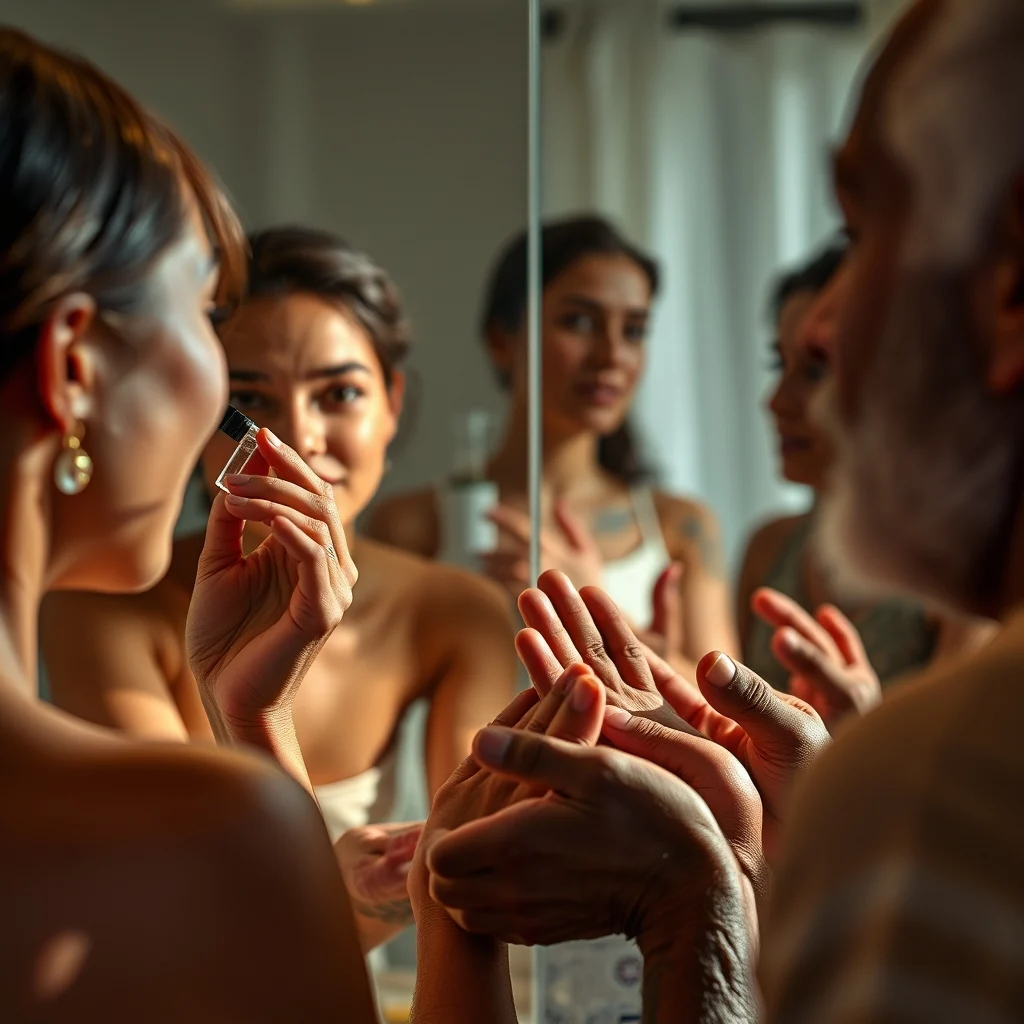
Skin health undergoes profound transformations after forty, driven by hormonal shifts, environmental exposures, and intrinsic aging processes. For millions of women and men navigating this life stage, nourishing mature skin care is no longer a cosmetic preference but a physiological necessity. Recent data from the American Academy of Dermatology reveals that 78% of individuals over forty report visible signs of aging, including reduced elasticity, deepening wrinkles, and compromised barrier function. These changes emerge as collagen production declines by 1% annually after thirty, accelerating after menopause or andropause. The demand for targeted interventions has surged, with the global anti-aging skincare market projected to reach $83.2 billion by 2027, according to Grand View Research.
This shift reflects a broader cultural recalibration. Where aging was once framed as an inevitable decline, contemporary discourse emphasizes pro aging beauty rituals that align with biological realities. Dermatologists, biochemists, and skincare formulators now collaborate to develop evidence-based solutions that address the unique needs of mature skin. Yet, the landscape remains fragmented, with conflicting claims, regulatory ambiguities, and disparities in access to professional guidance. Understanding this ecosystem requires examining its scientific foundations, historical evolution, and the competing priorities of stakeholders.
The Biological and Cultural Foundations of Mature Skin Care
The physiological changes in skin after forty are well-documented. Collagen fibers, which provide structural support, degrade due to enzymatic activity and glycation—a process where sugars bind to proteins, stiffening the extracellular matrix. Simultaneously, sebaceous gland activity diminishes, reducing natural lipid production and leading to chronic dehydration. A 2022 study published in the Journal of Investigative Dermatology found that transepidermal water loss increases by 30% between ages forty and sixty, exacerbating dryness and sensitivity.
Culturally, the perception of aging has evolved alongside scientific advancements. In the 1980s, anti-aging skincare was synonymous with invasive procedures and heavy concealment. By the 2000s, the rise of retinoids and peptide-based formulations shifted the focus toward prevention and repair. Today, the narrative centers on ageless beauty routines that prioritize skin health over erasure. “We’ve moved from a deficit-based model to one of optimization,” notes Dr. Elena Martinez, a dermatologist and researcher at the Skin Health Institute. “The goal isn’t to reverse time but to support the skin’s adaptive capacity.”
Key Milestones in Mature Skin Care Development
- 1960s-1970s: Introduction of tretinoin (Retin-A) for acne, later repurposed for anti-aging. Early formulations caused significant irritation, limiting accessibility.
- 1990s: FDA approval of topical retinoids for photodamage. Clinical trials demonstrate their efficacy in stimulating collagen synthesis and reducing fine lines.
- 2000s: Emergence of cosmeceuticals—products bridging cosmetics and pharmaceuticals—featuring ingredients like hyaluronic acid and growth factors. The term “skincare over forty” gains traction in consumer marketing.
- 2010s: Rise of microbiome-focused skincare and barrier repair technologies. Research highlights the role of ceramides and cholesterol in maintaining skin integrity.
- 2020s: Personalized skincare driven by AI diagnostics and epigenetic testing. Brands like Curology and Skin + Me tailor formulations to individual genetic profiles and lifestyle factors.
The Mechanics of Nourishing Mature Skin: Ingredients and Rituals
Effective nourishing mature skin care relies on a combination of evidence-backed ingredients and consistent rituals. The most widely validated components include:
- Retinoids: Gold-standard for collagen stimulation and cellular turnover. A 2021 meta-analysis in Dermatologic Therapy confirmed that tretinoin improves wrinkles by 40% over 12 months, though side effects like redness and peeling persist.
- Hyaluronic Acid: A humectant capable of holding 1,000 times its weight in water. Topical application increases skin hydration by 96% within eight weeks, per a study in the Journal of Clinical and Aesthetic Dermatology.
- Peptides: Short-chain amino acids that signal fibroblasts to produce collagen. Palmitoyl pentapeptide-4, for example, reduces wrinkle depth by 30% after six months of use.
- Ceramides: Lipids that restore the skin barrier. A 2020 trial in Skin Pharmacology and Physiology found that ceramide-containing moisturizers reduce transepidermal water loss by 50% in mature skin.
- Antioxidants: Vitamins C and E neutralize free radicals from UV exposure and pollution. A 12-week study in Dermatologic Surgery showed that vitamin C serums improve hyperpigmentation by 63%.
Rituals extend beyond product application. Dermatologists emphasize the “three pillars” of mature skin care: protection, repair, and maintenance. Daily sunscreen use (SPF 30 or higher) prevents 80% of photoaging, according to the Skin Cancer Foundation. Nighttime routines focus on repair, with retinoids and peptides applied to clean, damp skin to enhance absorption. Weekly exfoliation with alpha-hydroxy acids (AHAs) like glycolic acid removes dead cells, improving texture and radiance.
Quantitative Insights: Market Trends and Consumer Behavior
The skincare over forty market is segmented by product type, price point, and distribution channel. The following table breaks down global sales data from 2023:
| Product Category | Global Sales (USD Billion) | Year-over-Year Growth | Top Ingredients |
|---|---|---|---|
| Moisturizers | $24.5 | 7.2% | Hyaluronic acid, ceramides |
| Serums | $18.3 | 9.1% | Retinol, vitamin C, peptides |
| Cleansers | $12.1 | 5.8% | Gentle surfactants, niacinamide |
| Sunscreens | $9.8 | 11.4% | Zinc oxide, antioxidants |
| Masks | $6.2 | 4.3% | Clay, hyaluronic acid |
Consumer behavior reflects a growing preference for transparency and efficacy. A 2023 survey by NielsenIQ found that 68% of skincare buyers over forty prioritize products with clinical backing, while 52% seek brands that disclose ingredient sourcing. The rise of “clean beauty” has also influenced purchasing decisions, with 45% of respondents avoiding parabens, phthalates, and synthetic fragrances. However, experts caution against conflating “clean” with “effective.” “Many natural ingredients lack the potency of their synthetic counterparts,” says Dr. Raj Patel, a cosmetic chemist. “The challenge is balancing safety with results.”
Geographically, demand varies by region. In North America and Europe, consumers favor medical-grade skincare available through dermatologists, such as SkinCeuticals and Obagi. In Asia, the market leans toward multi-step routines incorporating essences and ampoules, with brands like SK-II and Sulwhasoo dominating. Latin America and the Middle East prioritize hydration and brightening, driven by climate-specific concerns like dryness and hyperpigmentation.
Systemic Impacts: Health, Economics, and Social Perceptions
The implications of nourishing mature skin care extend beyond aesthetics. Skin health is intrinsically linked to overall well-being. Chronic dryness and barrier dysfunction increase the risk of infections, eczema, and dermatitis, particularly in older adults. A 2021 report from the World Health Organization highlighted that 30% of individuals over sixty experience xerosis (severe dryness), which can lead to pruritus and secondary infections.
Economically, the skincare industry supports millions of jobs worldwide. In the U.S. alone, the beauty and personal care sector employs over 4.2 million people, with mature skin care accounting for 28% of sales, per the Personal Care Products Council. The rise of direct-to-consumer brands has democratized access but also intensified competition. “The barrier to entry is lower than ever,” observes Sarah Chen, a skincare industry analyst at McKinsey & Company. “But differentiation requires more than marketing—it demands clinical validation and real-world results.”
Socially, the emphasis on pro aging beauty rituals has sparked debates about ageism and representation. While brands like Dove and Olay have launched campaigns featuring women over fifty, critics argue that these efforts often center on “defying” aging rather than embracing it. “The conversation needs to shift from anti-aging to age well beauty forty plus,” says Dr. Anita Roberts, a sociologist studying aging and media. “It’s about visibility, not invisibility.”
Stakeholder Perspectives: Conflicting Priorities and Shared Goals
The mature skin care ecosystem involves diverse stakeholders, each with distinct priorities:
- Dermatologists: Advocate for evidence-based treatments and caution against overhyped ingredients. “Not all peptides are created equal,” says Dr. Martinez. “Look for clinical studies, not marketing claims.”
- Cosmetic Chemists: Focus on formulation stability and delivery systems. “Encapsulation technologies, like liposomes, can enhance ingredient penetration without irritation,” explains Dr. Patel.
- Consumers: Seek efficacy, affordability, and inclusivity. A 2023 survey by Allure magazine found that 61% of women over forty feel underrepresented in skincare advertising.
- Regulators: Struggle to keep pace with innovation. The FDA classifies most skincare products as cosmetics, exempting them from rigorous pre-market testing. “The lack of standardization creates confusion,” notes a 2022 report from the Government Accountability Office.
- Brands: Balance profitability with authenticity. “Consumers want transparency,” says Chen. “Brands that overpromise will lose trust.”
Despite these differences, stakeholders converge on one point: the need for education. “Misinformation spreads faster than evidence,” says Dr. Roberts. “We need more accessible, science-backed resources.”
Looking ahead, the mature skin care landscape will be shaped by technological advancements and regulatory reforms. Epigenetic skincare, which targets gene expression to slow aging, is poised for growth, with companies like EpigenCare leading the charge. Meanwhile, the FDA’s ongoing review of over-the-counter retinoid products could reshape accessibility. For consumers, the path forward involves discernment—prioritizing products with proven efficacy while embracing the natural evolution of their skin. The goal isn’t perfection but resilience, radiance, and the confidence that comes with knowing your skin is supported, not suppressed.
You may also like
-
Resveratrol in Age Defense: A Multidimensional Analysis of Antioxidant Science, Mechanisms, and Industry Evolution
-
The Comprehensive Science of Mature Skin Resilience: A Multidimensional Examination of Skincare Over Forty, Biological Adaptations, and Evidence-Based Innovations
-
The Strategic Framework of Mature Skin Resilience: A 360-Degree Examination of Skincare Over Forty, Biological Adaptations, and Evidence-Based Innovations
-
The Comprehensive Analysis of Individualistic Age Well Beauty: Autonomy, Confidence, and the Modern Reinterpretation of Aging
-
Sustainable Fashion: The Not-So-Trendy Truth Behind Eco-Friendly Couture