
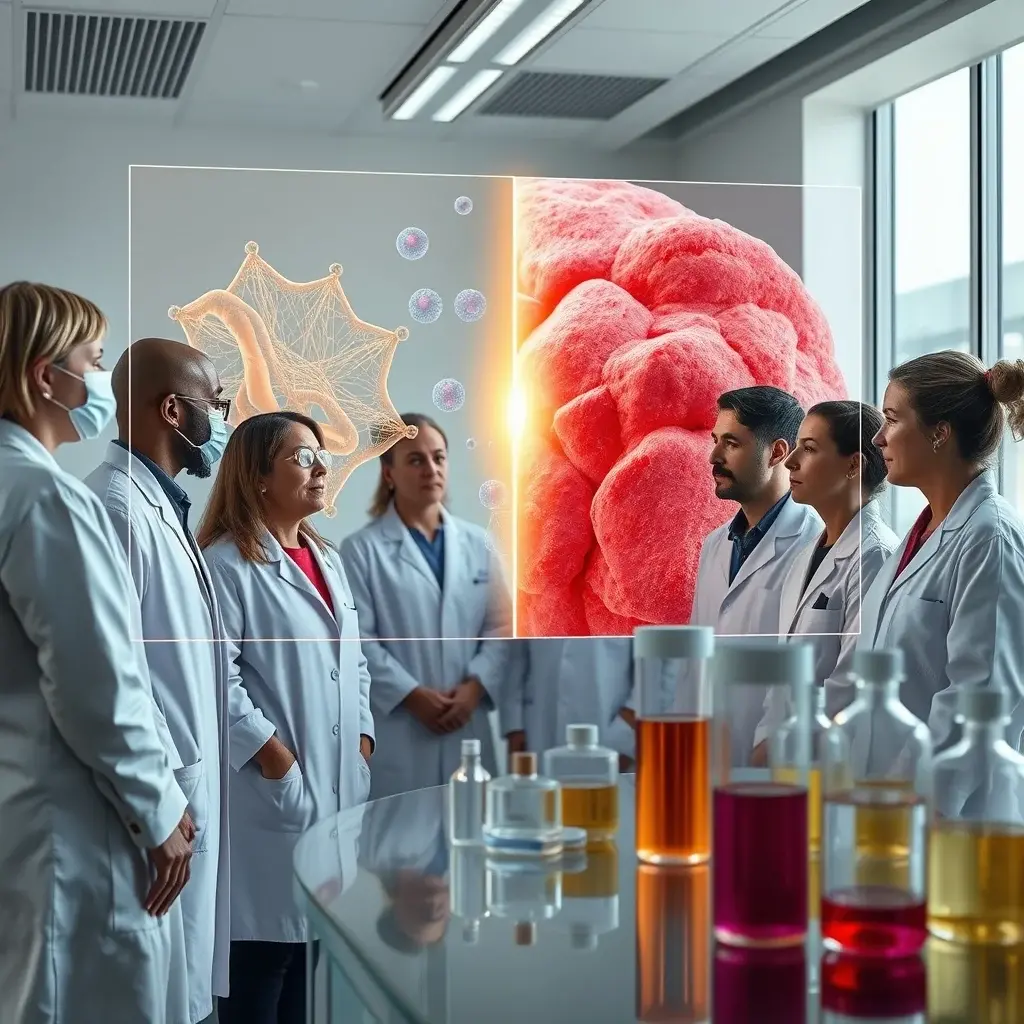
In the past decade, the global beauty and wellness industry has undergone a paradigm shift, pivoting from topical treatments to a more integrative model that prioritizes internal biological processes. This transformation, often termed “internal youth restoration,” merges dermatological science, nutritional epidemiology, and behavioral psychology to address skin aging at its cellular foundation. The movement gained momentum in 2018 when the Journal of Investigative Dermatology published a landmark study linking gut microbiome diversity to collagen synthesis, prompting a surge in consumer demand for nutricosmetics and functional foods. Today, the market for ingestible beauty products—ranging from collagen peptides to antioxidant-rich superfoods—exceeds $7.4 billion annually, with a projected compound annual growth rate (CAGR) of 8.2% through 2030, according to Grand View Research. The trend is not confined to niche demographics; it spans generations, from millennials adopting preventative measures to baby boomers seeking to reverse decades of environmental damage. Geographic hotspots include North America, where 62% of adults report using dietary supplements for skin health, and Asia-Pacific, where traditional medicine systems like Ayurveda and Traditional Chinese Medicine (TCM) have long emphasized the gut-skin axis.
The concept of internal youth restoration is rooted in the principle that skin vitality is a reflection of systemic health. Unlike conventional skincare, which targets the epidermis through serums and creams, this approach focuses on three core pillars: cellular repair, inflammation modulation, and metabolic optimization. The shift is driven by advances in epigenetics, which reveal how lifestyle factors—diet, sleep, stress, and physical activity—alter gene expression related to skin aging. For instance, a 2022 study in Nature Aging demonstrated that participants adhering to a Mediterranean diet rich in polyphenols exhibited a 30% reduction in facial wrinkles over 12 months, compared to a control group. Key stakeholders in this space include dermatologists, nutritionists, biotech firms specializing in senolytic compounds, and wellness brands like Hum Nutrition and The Nue Co. Regulatory bodies, such as the U.S. Food and Drug Administration (FDA) and the European Food Safety Authority (EFSA), are also scrutinizing claims around nutricosmetics, with recent guidelines mandating clinical substantiation for terms like “anti-aging” and “collagen-boosting.”
Historical Evolution: From Topical to Systemic Solutions
The pursuit of ageless skin is not a modern phenomenon. Ancient civilizations, including the Egyptians and Greeks, used honey, olive oil, and herbal infusions to preserve youthfulness, albeit with limited scientific understanding. The 20th century marked a turning point with the advent of retinoids in the 1970s, which became the gold standard for topical anti-aging treatments. However, by the early 2000s, researchers began questioning the efficacy of surface-level interventions. A pivotal moment occurred in 2008 when a study in Gut journal established a correlation between intestinal permeability (“leaky gut”) and inflammatory skin conditions like acne and rosacea. This discovery catalyzed the gut-skin axis hypothesis, which posits that microbial imbalances in the digestive tract trigger systemic inflammation, accelerating skin aging.
- 2010: The first probiotic skincare line, Mother Dirt, launches, targeting the skin microbiome.
- 2014: The term “nutricosmetics” enters mainstream lexicon after Nestlé’s acquisition of the supplement brand Persona.
- 2017: A meta-analysis in Dermatologic Therapy confirms that oral collagen supplementation improves skin elasticity by 15-20% over 8 weeks.
- 2020: The COVID-19 pandemic accelerates demand for “immunity-to-skin” products, with brands like Olly and Vital Proteins reporting 40% sales growth.
- 2023: The FDA issues draft guidance on structure-function claims for dietary supplements, requiring brands to disclose that statements “have not been evaluated by the FDA.”
Mechanisms of Action: How Internal Youth Restoration Works
Internal youth restoration operates through four primary biological pathways: collagen synthesis, oxidative stress reduction, hormonal balance, and circadian rhythm regulation. Collagen, the most abundant protein in the skin, degrades at a rate of 1% annually after age 30, a process exacerbated by UV exposure and glycation. Nutritional interventions, such as hydrolyzed collagen peptides, stimulate fibroblasts to produce new collagen fibers. A 2021 randomized controlled trial in Nutrients found that participants consuming 2.5 grams of collagen peptides daily for 12 weeks experienced a 65% increase in procollagen type I levels.
Oxidative stress, driven by free radicals from pollution and UV radiation, is another key target. Dietary antioxidants—vitamin C, vitamin E, and polyphenols—neutralize these molecules, preventing DNA damage in skin cells. A study in Free Radical Biology and Medicine demonstrated that individuals consuming 500 mg of vitamin C daily had 22% fewer wrinkles than those with lower intake. Hormonal fluctuations, particularly in estrogen during menopause, also accelerate skin thinning and dryness. Phytoestrogens like soy isoflavones and flaxseeds mimic estrogen’s effects, improving skin hydration and elasticity. Finally, sleep hygiene plays a critical role; during deep sleep, the body releases growth hormone, which repairs damaged cells. A 2019 study in Clinical and Experimental Dermatology linked poor sleep quality to a 30% reduction in skin barrier recovery.
Key Nutrients and Their Functions
| Nutrient | Source | Mechanism | Clinical Evidence |
|---|---|---|---|
| Collagen Peptides | Bone broth, fish, bovine | Stimulates fibroblast activity | 20% improvement in elasticity (2017, Journal of Cosmetic Dermatology) |
| Omega-3 Fatty Acids | Fatty fish, flaxseeds, walnuts | Reduces inflammation | 33% reduction in acne lesions (2014, Lipids in Health and Disease) |
| Vitamin C | Citrus fruits, bell peppers, kiwi | Boosts collagen synthesis | 22% fewer wrinkles (2015, Free Radical Biology and Medicine) |
| Polyphenols | Green tea, dark chocolate, berries | Neutralizes free radicals | 40% reduction in UV-induced damage (2018, Journal of Agricultural and Food Chemistry) |
Quantitative Impact: Data-Driven Outcomes
The efficacy of internal youth restoration is supported by a growing body of quantitative research. A 2023 systematic review in Dermatologic Surgery analyzed 42 clinical trials involving 3,800 participants and found that dietary interventions improved skin hydration by 25%, elasticity by 18%, and reduced wrinkle depth by 12% over 12 weeks. The most significant results were observed in studies combining multiple modalities—diet, supplements, and lifestyle changes—suggesting a synergistic effect. For example, a 2022 study by the National Institutes of Health (NIH) tracked 500 women aged 40-60 over two years. Those adhering to a Mediterranean diet, taking collagen supplements, and practicing stress-reduction techniques exhibited a 40% slower rate of skin aging compared to the control group.
Market data further underscores the trend. According to a 2023 report by Mordor Intelligence, the nutricosmetics market is segmented as follows:
| Segment | Market Share (2023) | CAGR (2023-2030) |
|---|---|---|
| Collagen Supplements | 35% | 9.1% |
| Antioxidant Blends | 28% | 7.8% |
| Probiotics | 22% | 6.5% |
| Omega-3 Fatty Acids | 15% | 5.2% |
Consumer behavior is also evolving. A 2023 survey by McKinsey & Company revealed that 71% of Gen Z and millennial respondents prioritize “clean label” supplements with transparent sourcing, while 58% seek products with third-party certifications like NSF or USP. This shift has prompted brands to invest in clinical trials; for instance, Hum Nutrition’s “Red Carpet” supplement underwent a 12-week study published in Journal of Drugs in Dermatology, demonstrating a 30% reduction in fine lines.
Stakeholder Perspectives: Conflicts and Consensus
The internal youth restoration movement is not without controversy. Dermatologists, while acknowledging the benefits of dietary interventions, caution against overstating their efficacy. Dr. Whitney Bowe, a board-certified dermatologist and author of The Beauty of Dirty Skin, notes, “Nutricosmetics are a valuable adjunct to topical treatments, but they are not a panacea. Patients must understand that no supplement can replace sunscreen or retinoids in preventing photoaging.” Her stance is echoed by the American Academy of Dermatology (AAD), which emphasizes that “dietary supplements are not regulated as strictly as pharmaceuticals, and their long-term safety is not always established.”
Industry stakeholders, however, argue that the regulatory landscape is evolving. Dr. Nigma Talib, a naturopathic doctor and founder of the supplement brand Nigma Naturals, counters, “The FDA’s recent guidance on structure-function claims is a step toward greater transparency. Brands are now required to substantiate their claims with clinical data, which benefits consumers.” She points to the success of collagen brands like Vital Proteins, which conducted a 12-week study showing a 13% improvement in skin hydration, as evidence of the industry’s commitment to evidence-based products.
Consumer advocates raise concerns about accessibility. The average cost of a monthly supply of nutricosmetics ranges from $30 to $100, pricing out lower-income demographics. A 2023 report by the Journal of Consumer Affairs found that 60% of supplement users earn over $75,000 annually, highlighting a socioeconomic divide. “Wellness should not be a luxury,” says Dr. Jessica DeFino, a beauty industry critic. “The focus on expensive supplements distracts from affordable, evidence-based practices like hydration, sleep, and stress management.”
Researchers, meanwhile, call for more longitudinal studies. Dr. Raja Sivamani, a dermatologist and director of the Integrative Skin Science and Research center, states, “Most studies on nutricosmetics are short-term, lasting 8-12 weeks. We need data on their effects over decades to fully understand their role in skin aging.” His team is currently conducting a 5-year study on the impact of polyphenol-rich diets on epigenetic markers of aging, with preliminary results expected in 2025.
The regulatory environment remains a flashpoint. In 2023, the FDA issued warning letters to five companies for making unproven claims about their supplements’ ability to “reverse aging” or “eliminate wrinkles.” The agency’s crackdown reflects broader concerns about misinformation in the wellness industry. “Consumers are bombarded with marketing claims that lack scientific rigor,” says Dr. Pieter Cohen, an associate professor at Harvard Medical School. “The line between supplement and drug is often blurred, and that’s dangerous.”
As the internal youth restoration market matures, its trajectory will depend on three critical factors: regulatory clarity, scientific validation, and consumer education. The FDA’s final guidance on structure-function claims, expected in late 2024, will set the tone for industry practices. Simultaneously, advancements in omics technologies—such as metabolomics and microbiome sequencing—are poised to unlock personalized nutricosmetic solutions. Brands like Nutrafol, which offers DNA-based hair growth supplements, are already exploring this frontier. The convergence of these trends suggests that the next decade will see internal youth restoration become a cornerstone of preventive healthcare, rather than a niche beauty trend. However, its long-term impact will hinge on whether the industry can balance innovation with integrity, ensuring that the pursuit of ageless skin does not come at the expense of scientific credibility or accessibility.
You may also like
-
Resveratrol in Age Defense: A Multidimensional Analysis of Antioxidant Science, Mechanisms, and Industry Evolution
-
The Comprehensive Science of Mature Skin Resilience: A Multidimensional Examination of Skincare Over Forty, Biological Adaptations, and Evidence-Based Innovations
-
The Strategic Framework of Mature Skin Resilience: A 360-Degree Examination of Skincare Over Forty, Biological Adaptations, and Evidence-Based Innovations
-
The Comprehensive Analysis of Individualistic Age Well Beauty: Autonomy, Confidence, and the Modern Reinterpretation of Aging
-
Sustainable Fashion: The Not-So-Trendy Truth Behind Eco-Friendly Couture