
Introduction: More Than Skin Deep
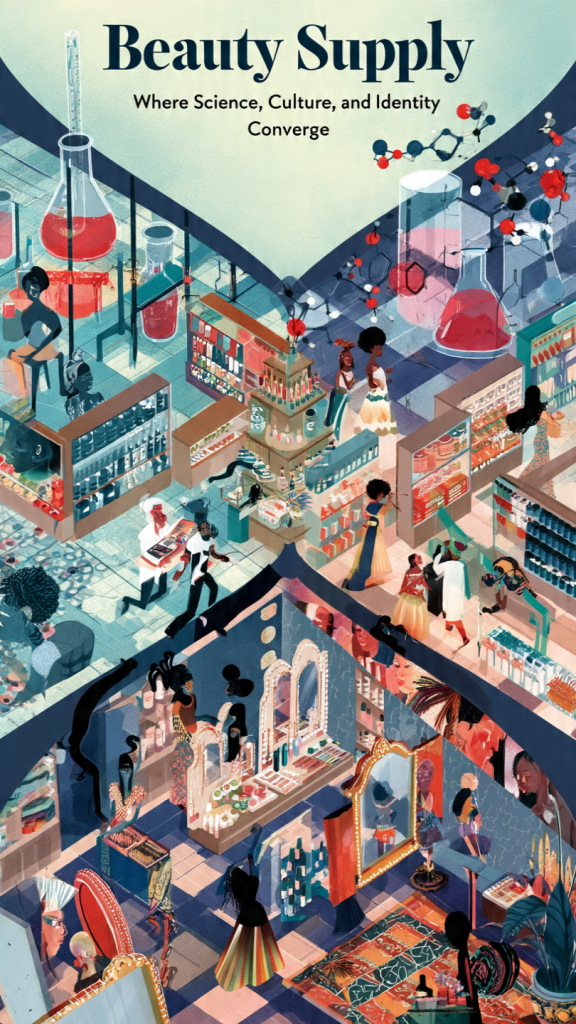
The phrase beauty supply may sound utilitarian, even mundane. Yet beneath its simplicity lies an intricate domain that fuses chemistry, commerce, artistry, and human psychology. It is an industry that does not merely sell products—it curates experiences, shapes identities, and fuels rituals that are both intimate and universal.
Short routines. Long legacies.
From a single bottle of serum to entire regimens spanning months, the beauty supply landscape offers tools for transformation. Not superficial change, but something deeper—an alignment between how individuals feel and how they present themselves to the world.
Historical Lineage: Rituals Carved in Time
Long before the emergence of modern beauty supply stores, ancient societies were deeply invested in beauty practices. These rituals were not trivial indulgences; they were embedded in culture, spirituality, and status.
In ancient Egypt, cosmetics were both aesthetic and symbolic. Kohl-lined eyes served protective and spiritual functions. In the Indus Valley, natural clays and oils were used to cleanse and adorn. In East Asia, beauty rituals emphasized harmony, often incorporating botanical ingredients and precise techniques.
As trade networks expanded, these traditions began to intersect. Ingredients migrated across continents. Knowledge evolved. Eventually, the Industrial Revolution catalyzed mass production, transforming localized practices into scalable goods.
Thus, the modern beauty supply industry was born—an amalgamation of tradition and innovation.
The Structure of a Contemporary Beauty Supply Ecosystem
A modern beauty supply environment is a carefully orchestrated system. It is not simply about inventory; it is about intention.
Product Taxonomy
Within a well-stocked beauty supply store, one encounters a diverse array of categories:
- Haircare: cleansing agents, conditioners, reparative treatments
- Skincare: serums, exfoliants, emulsions, occlusives
- Cosmetics: foundations, pigments, mascaras, contour kits
- Tools: brushes, applicators, dermal devices
- Accessories: wigs, extensions, storage solutions
Each category addresses a specific aspect of personal care, yet together they form a cohesive ecosystem.
Spatial Design and Experience
The layout of a beauty supply store is rarely accidental. Lighting enhances color accuracy. Product placement guides consumer flow. Textures and materials influence perception.
The environment speaks—quietly but persuasively.
Cultural Significance: A Mirror of Diversity
Few industries reflect cultural diversity as vividly as beauty supply. Products are designed for different hair textures, skin tones, and aesthetic traditions.
Historically, mainstream beauty markets often failed to represent this diversity adequately. In response, specialized beauty supply stores emerged, offering products tailored to specific communities.
These spaces became more than retail outlets. They became cultural sanctuaries.
They affirmed identity. They celebrated individuality.
The Psychology of Beauty Consumption
Engagement with beauty supply products is rarely purely functional. It is deeply psychological.
A fragrance evokes memory. A moisturizer suggests care. A bold lipstick signals confidence.
Short impulses. Lasting emotions.
Consumers often approach beauty supply purchases with a blend of rationality and aspiration:
- Desire for self-improvement
- Emotional comfort through routine
- Social validation and trend alignment
These factors create a consumption pattern that is both complex and deeply personal.
The Digital Transformation of Beauty Supply
The digital era has revolutionized the beauty supply industry. Online platforms provide access to an almost infinite range of products, accompanied by reviews, tutorials, and expert opinions.
Technological innovations include:
- Augmented reality for virtual try-ons
- AI-driven skin analysis tools
- Personalized product recommendations
Despite these advancements, physical beauty supply stores retain their relevance. The tactile experience—the ability to test textures and shades—remains indispensable.
The industry now operates in a hybrid model, blending digital convenience with physical immersion.
Ingredient Transparency and Scientific Literacy
Modern consumers are increasingly informed. The beauty supply industry has responded with greater transparency and scientific rigor.
Ingredients such as hyaluronic acid, retinoids, and peptides have entered mainstream vocabulary. Consumers scrutinize labels, seeking efficacy and safety.
The rise of clean beauty reflects this shift. Products are formulated with an emphasis on minimalism and ethical sourcing.
Science is no longer confined to laboratories. It is embedded within everyday beauty supply choices.
Entrepreneurship and Innovation
The beauty supply sector is a fertile ground for innovation. Independent brands continue to emerge, addressing niche markets and introducing novel formulations.
These entrepreneurs bring authenticity and agility. They respond quickly to consumer needs, often setting trends rather than following them.
Small brands, once peripheral, now occupy central positions within the beauty supply ecosystem. Their influence underscores the value of originality and transparency.
Challenges Within the Industry
Despite its growth, the beauty supply industry faces several challenges:
- Counterfeit products undermining trust
- Supply chain disruptions affecting availability
- Ethical concerns regarding sourcing and labor practices
- Cultural appropriation and misrepresentation
Addressing these challenges requires a commitment to integrity and accountability.
Trust is the foundation of sustainable growth.
The Language of Beauty
The lexicon of beauty supply is both scientific and poetic. Products promise to “revitalize,” “illuminate,” and “transform.”
Short phrases captivate. Longer narratives persuade.
This language is carefully crafted to evoke emotion, turning functional items into aspirational tools.
It is storytelling in its most refined form.
Education and Consumer Empowerment
Education plays a pivotal role in the beauty supply ecosystem. Informed consumers make better choices and derive greater satisfaction.
Retailers and brands provide:
- Tutorials and demonstrations
- Personalized consultations
- Detailed product guides
This emphasis on knowledge transforms the beauty supply experience from transactional to relational.
Globalization and Cultural Exchange
Globalization has enriched the beauty supply industry with diverse influences. Products and techniques now traverse borders effortlessly.
Korean skincare emphasizes hydration and layering. Mediterranean traditions highlight natural oils. Japanese beauty often prioritizes simplicity and precision.
These influences converge, creating a dynamic and diverse marketplace.
However, cultural exchange must be approached with respect. Authenticity matters.
Sustainability: A Necessary Evolution
Environmental concerns are reshaping the beauty supply industry. Consumers increasingly demand sustainable practices.
Key initiatives include:
- Recyclable packaging
- Refillable systems
- Ethical sourcing of ingredients
- Reduction of waste and emissions
Sustainability is no longer optional. It is integral to the future of beauty supply.
Personalization: The Rise of Bespoke Solutions
Personalization is redefining the beauty supply landscape. Advances in technology enable products tailored to individual needs.
Customized skincare regimens. Adaptive cosmetics. Data-driven recommendations.
These innovations reflect a shift toward individuality. No two consumers are identical, and their products should reflect that uniqueness.
Emotional Resonance: Beyond Aesthetics
The impact of beauty supply extends beyond physical appearance. It influences confidence, self-perception, and emotional well-being.
A new routine can provide structure. A single product can inspire change.
Small actions. Profound outcomes.
These experiences accumulate, shaping identity over time.
The Future Trajectory
The future of beauty supply is marked by continuous evolution. Emerging trends include:
- Integration of biotechnology
- Expansion of inclusive product lines
- Increased reliance on artificial intelligence
- Greater emphasis on ethical practices
The industry will continue to adapt, reflecting both technological advancements and cultural shifts.
Conclusion: A Dynamic Expression of Humanity
The world of beauty supply is vast, intricate, and deeply human. It is an industry that bridges science and artistry, commerce and culture, individuality and community.
It is not merely about products. It is about expression.
Short routines define days. Long journeys define identities.
Within the expansive realm of beauty supply, individuals find tools to explore, refine, and celebrate who they are—an ever-evolving narrative of beauty in its many forms.
You may also like
-
Resveratrol in Age Defense: A Multidimensional Analysis of Antioxidant Science, Mechanisms, and Industry Evolution
-
The Comprehensive Science of Mature Skin Resilience: A Multidimensional Examination of Skincare Over Forty, Biological Adaptations, and Evidence-Based Innovations
-
The Strategic Framework of Mature Skin Resilience: A 360-Degree Examination of Skincare Over Forty, Biological Adaptations, and Evidence-Based Innovations
-
The Comprehensive Analysis of Individualistic Age Well Beauty: Autonomy, Confidence, and the Modern Reinterpretation of Aging
-
Sustainable Fashion: The Not-So-Trendy Truth Behind Eco-Friendly Couture