
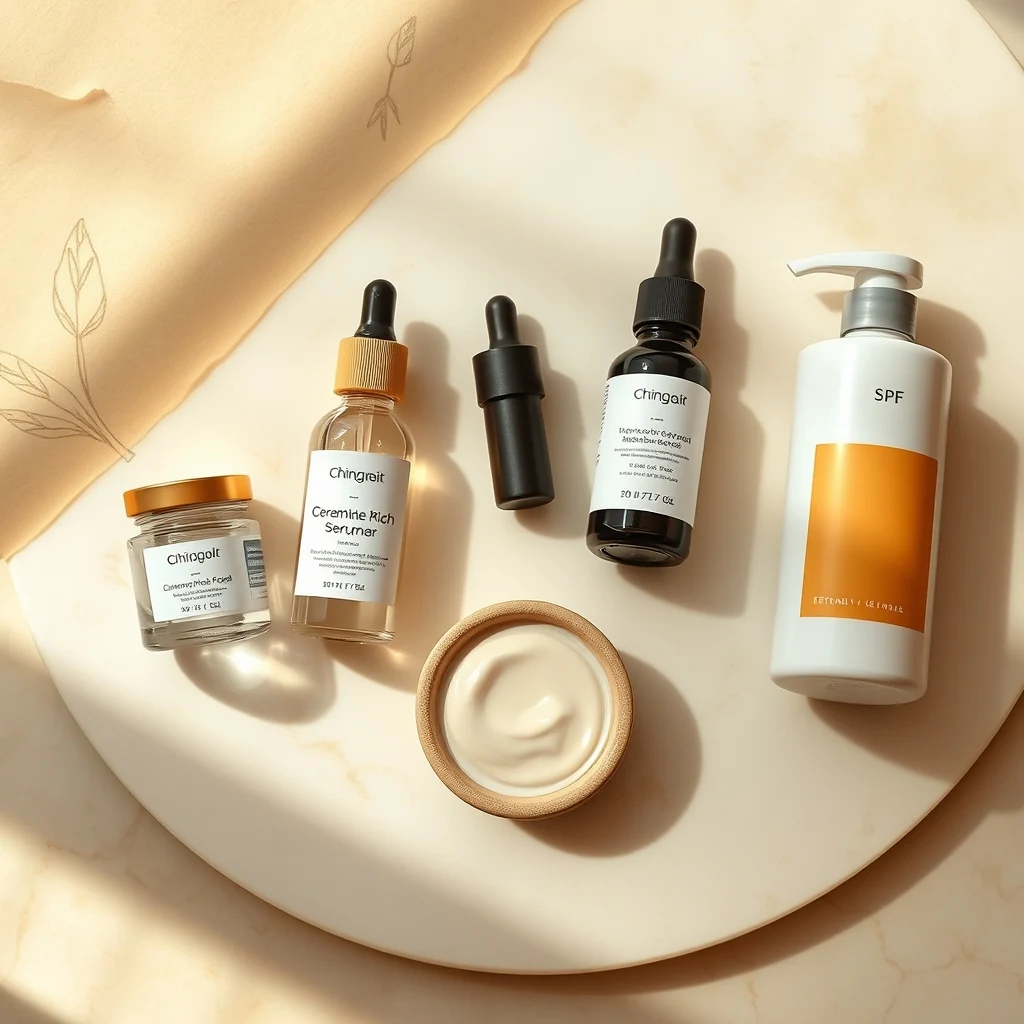
If you’ve ever stared at your skincare routine, wondering why mature skin still feels like a puzzle, you’re not alone. The right **mature skin ingredients** can transform dullness into radiance, but only if layered correctly. This step-by-step guide cuts through the confusion, helping you build a routine that targets fine lines, uneven texture, and loss of elasticity—without overwhelm.
Understand Your Skin’s Changing Needs
Mature skin isn’t just “older”—it’s a different ecosystem. Collagen production slows, cell turnover lags, and the skin’s natural barrier weakens. That’s why ingredients like peptides and ceramides become non-negotiable. Start by identifying your skin’s biggest challenges: Is it dryness, sagging, or dullness? Your priorities will dictate which actives take center stage.
For example, if your skin feels tight or flaky, focus on humectants like hyaluronic acid paired with occlusives (think shea butter or squalane). If fine lines are the main concern, peptides and retinol (or gentler alternatives like bakuchiol) should lead the charge. Balance is key—never overlook hydration or barrier support, even if you’re chasing firmness.
Layer Ingredients in the Right Order
The order of application matters more than you think. A common mistake? Slapping on a vitamin C serum after your moisturizer, rendering it ineffective. Instead, follow this sequence: cleanse → treat (serums/actives) → hydrate (essence/moisturizer) → protect (SPF). This ensures each ingredient penetrates deeply and works synergistically.
Start with a gentle, hydrating cleanser to avoid stripping your skin. Next, apply your most potent actives (like retinol or exfoliants) to damp skin for better absorption. Follow with a hydrating essence or toner, then lock everything in with a moisturizer rich in ceramides or fatty acids. Top with SPF every morning—non-negotiable for preventing further damage.
Focus on Barrier Repair First
Before diving into anti-aging serums, address your skin’s protective barrier. A compromised barrier leads to irritation, redness, and poor absorption of other ingredients. Look for ceramides, cholesterol, and fatty acids in your moisturizer or barrier repair creams. These lipids mimic your skin’s natural barrier, restoring resilience and preventing moisture loss.
If your skin reacts poorly to actives, it’s often a sign of a weakened barrier. Start with a simpler routine: cleanse, hydrate, and protect. Gradually introduce one active at a time (like niacinamide) to assess tolerance. Patience here prevents long-term sensitivity and ensures your skincare is truly beneficial.
Choose Actives That Work Together
Not all ingredients play well together. Retinol and vitamin C, for instance, can degrade when mixed, making layering them separately essential. Instead, use vitamin C in the morning (under SPF) and retinol at night. Pair them with antioxidants like resveratrol or green tea extract to enhance their effects without irritation.
For a simplified approach, focus on “power pairs”: hyaluronic acid + peptides for hydration and firming, or niacinamide + ceramides for brightness and barrier support. Avoid overloading your routine—stick to 2–3 actives at a time to let your skin adapt. If you’re unsure, start with one and observe how your skin responds before adding more.
Adjust for Day vs. Night
Your AM and PM routines should serve different purposes. Mornings are about protection and hydration: SPF, lightweight hydration, and possibly a brightening antioxidant serum. Evenings are for repair and regeneration: retinol, peptides, or gentle exfoliation (like lactic acid) to address overnight damage.
Pro tip: If you’re using retinol, introduce it slowly (2–3 nights a week) to avoid purging or irritation. Always follow with a soothing moisturizer to calm the skin. During the day, prioritize hydration and sun protection—UV rays are the #1 accelerant of aging, so SPF is your best anti-wrinkle tool.
Listen to Your Skin’s Feedback
A great routine isn’t set in stone. Pay attention to how your skin reacts: increased redness, tightness, or breakouts are signs to pause or adjust. If an ingredient causes stinging or burning, it’s likely too harsh. Swap it for a gentler alternative or reduce frequency.
Remember, mature skin often means more sensitivity. If you’re unsure about an ingredient, patch-test it first or consult a dermatologist for personalized advice. The goal isn’t perfection—it’s progress. Small, consistent changes yield the best long-term results.
Start with one or two adjustments this week: perhaps adding a ceramide-rich moisturizer or introducing a peptide serum. Track how your skin responds, and build from there. The right **mature skin ingredients** aren’t about quick fixes—they’re about creating a routine that evolves with you, keeping your skin healthy, resilient, and glowing for years to come.
For more guidance on safe skincare practices, visit the American Academy of Dermatology’s resources on ingredient safety and routines.