
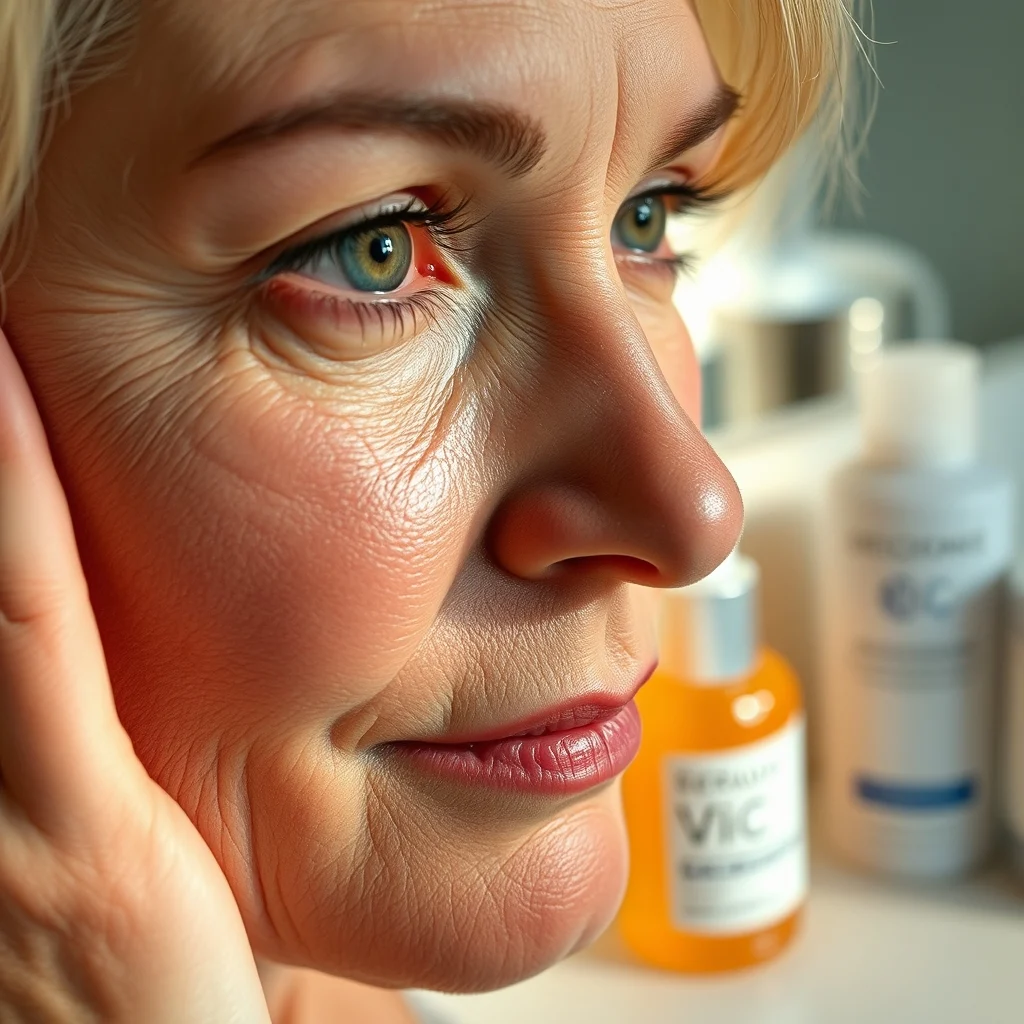
Navigating the world of **mature skin ingredients** can feel overwhelming, especially when shelves are packed with serums, creams, and actives promising miracles. If you’re just starting out, knowing which ingredients truly support aging skin—and how to use them—can make all the difference. The right approach simplifies skincare, ensuring your routine is effective without unnecessary complexity.
This guide breaks down the essentials, from understanding your skin’s unique needs to selecting the most impactful ingredients. Whether you’re addressing fine lines, uneven texture, or loss of elasticity, the key lies in simplicity and consistency. Let’s explore how to build a foundation that works for your skin, today and tomorrow.
Why simplicity works for mature skin
Mature skin thrives on a streamlined routine that focuses on hydration, protection, and regeneration. Overloading your skin with too many products can disrupt its natural balance, leading to irritation or diminished results. Instead, prioritize a few powerhouse ingredients that target multiple concerns—like collagen support, barrier repair, and antioxidant defense. This approach ensures your skin receives the care it needs without confusion or compromise.
Start by identifying your skin’s primary needs: Is it dry, oily, or a mix of both? Does it show signs of dullness or visible aging? Once you pinpoint these, you can curate a routine that addresses them directly. For beginners, less is often more—focus on consistency over complexity.
The role of hydration in mature skin
Hydration is the cornerstone of any mature skin routine. As skin ages, it produces less natural oils and moisture, leading to dryness, tightness, and an accentuated appearance of fine lines. Ingredients like hyaluronic acid and ceramides are game-changers because they attract and retain water in the skin, plumping and smoothing its surface. Hyaluronic acid, in particular, can hold up to 1,000 times its weight in water, making it a staple for instant hydration.
To maximize hydration, layer these ingredients correctly. Apply hyaluronic acid to damp skin to lock in moisture, followed by a ceramide-rich moisturizer to seal it all in. This simple two-step process can transform dry, flaky skin into a softer, more supple texture. For extra nourishment, look for moisturizers with squalane or glycerin, which further enhance the skin’s ability to retain moisture.
Antioxidants: shielding skin from daily damage
Environmental aggressors like pollution, UV rays, and free radicals accelerate aging by breaking down collagen and elastin fibers. Antioxidants neutralize these threats, protecting your skin’s structure and keeping it resilient. Vitamin C and vitamin E are two of the most effective antioxidants for mature skin, thanks to their ability to brighten, even out tone, and boost collagen production.
Vitamin C, in particular, is a multi-tasker. It not only shields the skin but also fades dark spots and enhances the radiance of the complexion. For best results, use a stable form of vitamin C (like L-ascorbic acid) in the morning, followed by a broad-spectrum sunscreen. Pairing it with vitamin E can enhance its stability and effectiveness. If you’re new to antioxidants, start with a serum and gradually introduce it into your routine to avoid irritation.
Retinol: the gold standard for anti-aging
Retinol is perhaps the most celebrated ingredient for mature skin, thanks to its ability to stimulate cell turnover, boost collagen, and reduce the appearance of wrinkles. However, it’s also one of the most potent, which means it requires careful introduction. Beginners should start with a low concentration (0.25% or less) and use it 2-3 times a week to allow the skin to adjust. Overuse can lead to redness, peeling, or sensitivity, so patience is key.
To minimize irritation, apply retinol at night after cleansing and toning, and always follow up with a moisturizer. If your skin feels sensitive, alternate retinol nights with hydrating treatments or take a break for a few days. Over time, you’ll notice smoother skin, finer lines, and a more even texture. For those with sensitive skin, consider bakuchiol, a plant-based alternative that offers similar benefits without the irritation.
Peptides: supporting skin’s natural repair process
Peptides are short chains of amino acids that signal the skin to produce more collagen and elastin, two proteins essential for maintaining firmness and elasticity. They’re gentle yet effective, making them ideal for beginners or those with sensitive skin. Look for peptides like Matrixyl or Argireline, which are widely studied for their anti-aging benefits.
Peptides work well in conjunction with other ingredients, such as vitamin C or hyaluronic acid, to amplify their effects. They can be used in both daytime and nighttime routines, though they’re particularly effective when layered under moisturizer or sunscreen. If you’re new to peptides, start with a serum or moisturizer containing them and observe how your skin responds over a few weeks.
Building a simple, effective routine
The beauty of a beginner-friendly mature skin routine lies in its simplicity. Focus on a few non-negotiables: a gentle cleanser, a hydrating serum, a moisturizer with ceramides, and sunscreen during the day. Optional but beneficial additions include a vitamin C serum in the morning and a retinol treatment at night. The goal is to create a routine that’s easy to maintain, so you’re more likely to stick with it long-term.
Here’s a basic framework to get you started:
- Morning: Cleanser → Vitamin C serum (optional) → Moisturizer with ceramides → Sunscreen
- Night: Cleanser → Hydrating serum (hyaluronic acid) → Moisturizer with peptides (optional) → Retinol 2-3 times a week
As you become more comfortable, you can introduce additional products like exfoliants (AHAs/BHAs) or targeted treatments, but always listen to your skin’s response. If irritation occurs, scale back and focus on soothing and repairing the barrier.
Your journey with mature skin ingredients doesn’t have to be complicated. By focusing on hydration, protection, and regeneration, you’re already setting yourself up for success. The key is consistency—give your skin time to adapt and respond to the ingredients you choose. With the right approach, you’ll see improvements in texture, tone, and overall radiance, proving that simplicity is the ultimate luxury in skincare.
Ready to take the first step? Start with one or two ingredients that resonate with your skin’s needs, and build from there. Your skin will thank you for the thoughtful care.
You may also like
-
Mature Skin Ingredients: Quick Tips for Busy People
-
Mature Skin Ingredients: Barrier-First Approach
-
Mature Skin Ingredients Guide: How to Start a Barrier-First Routine This Week
-
Mature Skin Ingredients Guide: A Barrier-First Approach for Lasting Hydration
-
Mature Skin Ingredients Guide: A Peptide & Regenerative Actives Breakthrough for Radiant Skin