
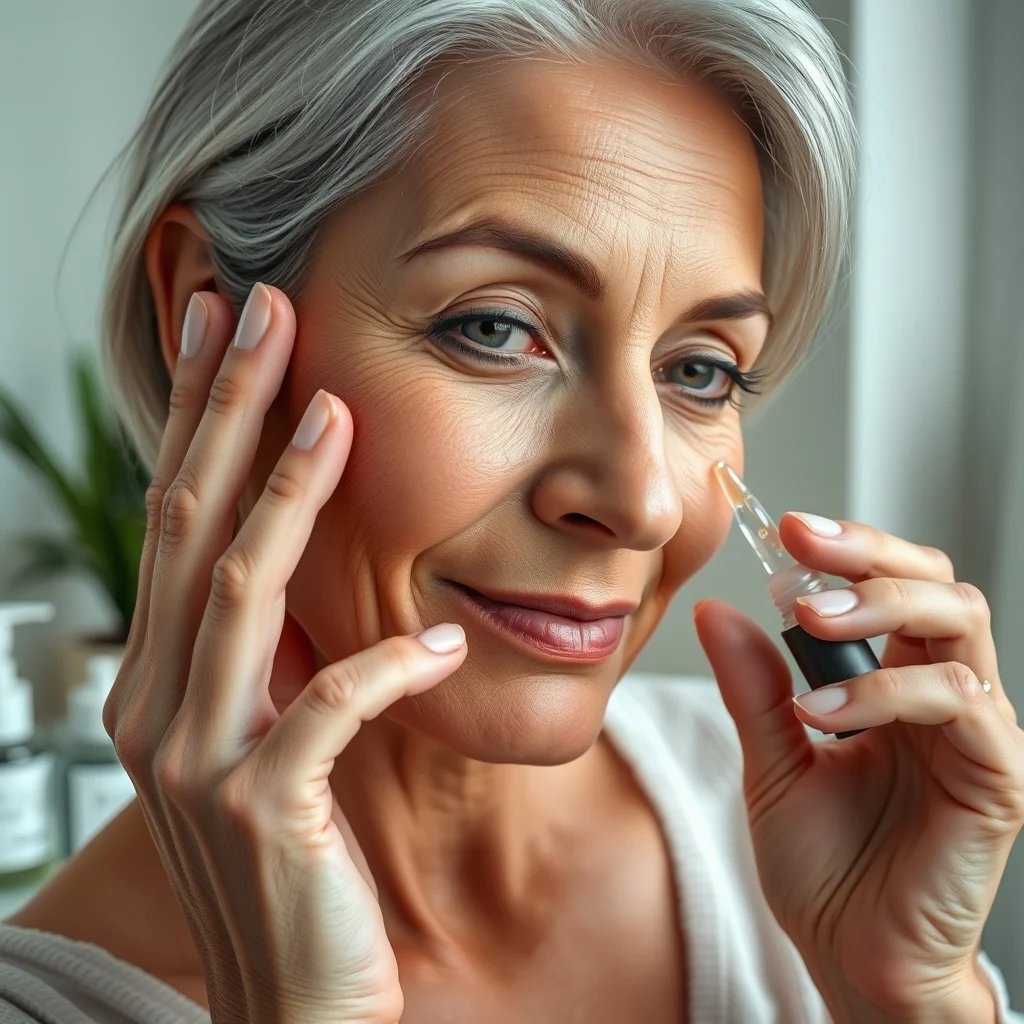
Finding the right skincare routine for mature skin can feel overwhelming, especially when bombarded with trends and buzzwords. But what if the secret to a radiant, youthful complexion lies in science-backed ingredients that work with your skin’s natural renewal process? Peptides and regenerative actives like PDRN and biotech innovations are transforming how we approach aging, offering targeted solutions without harsh treatments or invasive procedures. Whether you’re noticing fine lines, loss of elasticity, or dullness, these powerhouse ingredients can help restore vitality and resilience.
Why Peptides Are a Game-Changer for Mature Skin
Peptides are short chains of amino acids that act as building blocks for proteins like collagen and elastin. As skin ages, collagen production slows, leading to wrinkles and sagging. Peptides signal the skin to ramp up production, helping to plump and firm over time. Unlike retinoids, which can cause irritation, peptides are gentle yet effective, making them ideal for sensitive or reactive skin.
Look for products with multiple types of peptides, such as signal peptides (to boost collagen) and carrier peptides (to deliver trace elements like copper). Serums and moisturizers with peptide complexes often show visible results in as little as four weeks, reducing the appearance of fine lines and improving skin texture. Pair them with hydrating ingredients like hyaluronic acid to maximize their benefits.
The Rise of Regenerative Actives: PDRN and Biotech Innovations
Regenerative actives like Polydeoxyribonucleotide (PDRN) are derived from natural sources and work by stimulating skin repair at a cellular level. PDRN helps accelerate wound healing, making it a standout for mature skin that struggles with slower recovery. It also improves hydration and reduces inflammation, which can minimize redness and irritation.
Biotech ingredients, such as lab-grown growth factors and stem cell extracts, are another frontier in anti-aging skincare. These ingredients mimic the body’s natural processes to promote cell turnover and tissue regeneration. While they may sound futuristic, they’re backed by research and are increasingly accessible in over-the-counter formulations. Opt for lightweight serums or ampoules to layer under your moisturizer for best results.
How to Layer Peptides and Regenerative Actives for Maximum Impact
Layering skincare products correctly ensures each ingredient can penetrate and work effectively. Start with a gentle cleanser to remove impurities without stripping the skin. Follow with a peptide-rich serum, applying it to damp skin to enhance absorption. Peptides work well with most actives, but avoid mixing them with high concentrations of vitamin C or exfoliating acids in the same step, as this can reduce their efficacy.
Next, apply a regenerative active like PDRN or a biotech serum. These ingredients are often lightweight and absorb quickly, making them perfect for layering. Finish with a moisturizer to lock in hydration and support the skin barrier. If you’re using a retinoid at night, apply it after peptides but before regenerative actives to avoid irritation.
Choosing the Right Formulations for Your Skin Type
Not all peptide and regenerative products are created equal. For dry or sensitive skin, opt for creams or balms that contain soothing ingredients like ceramides or niacinamide. These formulations help reinforce the skin barrier while delivering anti-aging benefits. If you have oily or combination skin, lightweight gels or water-based serums will feel more comfortable and won’t clog pores.
Pay attention to product textures and concentrations. Higher concentrations of peptides or PDRN aren’t always better—start with lower percentages to gauge how your skin responds. Patch-test new products for a few days before incorporating them into your routine to avoid adverse reactions. Consistency is key, so give your skin at least six to eight weeks to show improvements.
Common Mistakes to Avoid When Using Peptides and Regenerative Actives
One of the biggest mistakes is expecting overnight results. Peptides and regenerative actives work gradually, so patience is essential. Another pitfall is overloading the skin with too many actives at once, which can lead to irritation or compromise the skin barrier. Stick to a simple routine and introduce one new product at a time.
Avoid using peptides or PDRN with incompatible ingredients like strong acids or physical exfoliants in the same routine. These can break down the peptides or cause unnecessary irritation. Always follow up with sunscreen during the day, as these ingredients can make skin more sensitive to UV damage. The American Academy of Dermatology recommends broad-spectrum SPF 30 or higher for daily protection.
Building a Routine That Works for You
Creating a skincare routine with peptides and regenerative actives doesn’t have to be complicated. Start with a peptide serum in the morning to kickstart collagen production, followed by a moisturizer with SPF. At night, layer a regenerative active like PDRN under a nourishing cream to support overnight repair. If your skin feels dry or tight, add a hydrating essence or facial oil to boost moisture levels.
Listen to your skin and adjust as needed. If you notice redness or irritation, scale back on actives and focus on barrier-repairing ingredients like ceramides. Over time, you’ll find the right balance that leaves your skin looking firmer, brighter, and more resilient. The key is to embrace a routine that feels sustainable and enjoyable—because the best skincare is the one you’ll stick with.
You may also like
-
Product Recommendations for Mature Skin: A Budget-Friendly Guide to Radiant Aging
-
Product Recommendations for Mature Skin: A Glass Skin 2.0 K-Beauty Guide
-
Product Recommendations for Mature Skin: Common Mistakes to Avoid for a Flawless Routine
-
Product Recommendations for Mature Skin: A Barrier-First Approach for Lasting Radiance
-
Product Recommendations for Mature Skin: Quick Tips for Busy People