
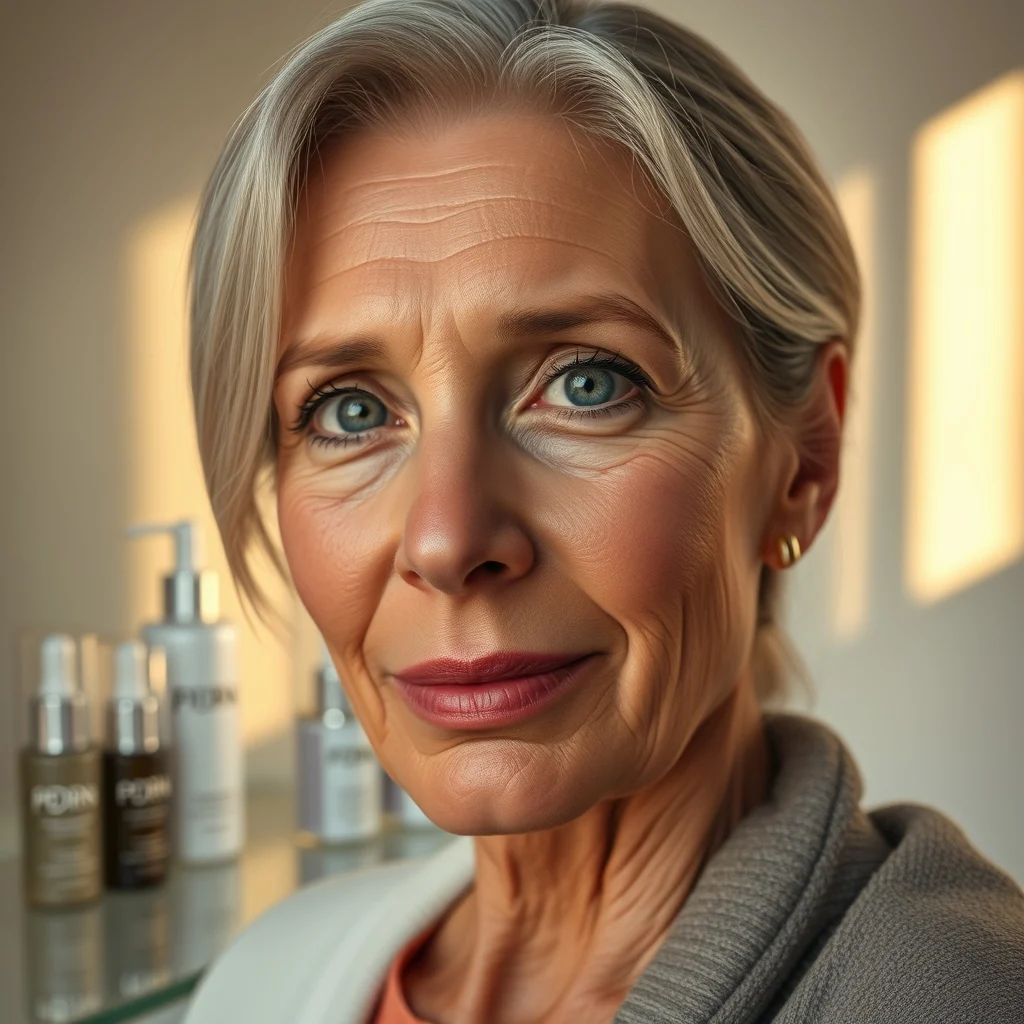
Fine lines, loss of elasticity, and uneven texture can make mature skin feel like a daily puzzle—especially when you’re bombarded with endless ingredient lists promising miracles. The truth? Not all actives are created equal, and some of the most effective ones work quietly beneath the surface to regenerate rather than just refresh. If you’ve ever wondered why your skin still looks tired despite using hydrating serums, it might be time to explore the power of peptides and regenerative actives like PDRN and biotech innovations. These ingredients don’t just mask signs of aging; they help rebuild what time has worn away.
Why Peptides Are the Unsung Heroes of Mature Skin
Peptides are short chains of amino acids that act as messengers in the skin, signaling cells to produce more collagen and elastin. As we age, our natural collagen production slows down, leading to sagging and wrinkles. Topical peptides can help bridge this gap by encouraging the skin to repair itself. Unlike harsh exfoliants or retinoids, peptides are gentle yet effective, making them ideal for those who want visible results without irritation.
There are different types of peptides, each with a unique role. Signal peptides, for example, prompt the skin to produce more structural proteins, while carrier peptides deliver trace elements like copper to aid in wound healing. Incorporating a peptide-rich serum or moisturizer into your routine can make a noticeable difference in skin firmness over time.
For best results, look for products that combine peptides with other supportive ingredients like hyaluronic acid or niacinamide. This synergy enhances absorption and maximizes benefits, giving your skin a smoother, more youthful appearance.
The Rise of PDRN: A Game-Changer in Skin Regeneration
Polydeoxyribonucleotide (PDRN) is a lesser-known but powerful active derived from salmon DNA. It works by stimulating cellular repair and reducing inflammation, making it a standout for mature skin prone to redness or sensitivity. PDRN helps accelerate the skin’s natural healing process, which slows down with age, leading to faster recovery from environmental damage.
Studies suggest PDRN can improve skin elasticity and hydration levels, making it a valuable addition to anti-aging routines. It’s often found in ampoules or serums designed for intensive repair, particularly after procedures like microneedling. If your skin feels sluggish or lacks radiance, PDRN might be the missing link in your regimen.
To incorporate PDRN, start with a low concentration and gradually increase usage as your skin builds tolerance. Pair it with a gentle moisturizer to lock in hydration and enhance its regenerative effects.
Biotech Ingredients: The Future of Mature Skin Care
Biotechnology is revolutionizing skincare by creating lab-engineered ingredients that mimic the skin’s natural processes. Ingredients like epidermal growth factors (EGF) and stem cell-derived actives are designed to target aging at a cellular level. These innovations are backed by science and offer a more sustainable alternative to traditional animal-derived or plant-based ingredients.
EGF, for instance, helps stimulate cell turnover, reducing the appearance of fine lines and improving skin texture. Meanwhile, stem cell extracts provide antioxidants and anti-inflammatory benefits, protecting the skin from further damage. Biotech ingredients are often more potent and stable than their natural counterparts, ensuring consistent results.
When choosing biotech-infused products, opt for those with transparent ingredient lists and clinical backing. These formulations are typically free from common irritants, making them suitable for sensitive or reactive skin.
How to Layer Peptides and Regenerative Actives for Maximum Impact
Layering skincare products correctly can make or break their effectiveness. Start with a clean, toned base to ensure optimal absorption. Apply a peptide serum first, as its lightweight texture allows it to penetrate deeply. Follow with a PDRN or biotech-infused product to enhance regenerative benefits.
Finish with a moisturizer to seal in the actives and prevent moisture loss. If you’re using a retinoid or exfoliant in your routine, apply it at night and alternate days to avoid overloading your skin. Consistency is key—give your skin at least four to six weeks to show visible improvements.
For daytime, always layer a broad-spectrum sunscreen over your skincare. UV exposure accelerates aging, so protecting your skin is non-negotiable. Look for sunscreens with added antioxidants to further shield your skin from environmental stressors.
Common Mistakes to Avoid When Using Regenerative Actives
One of the biggest mistakes people make is expecting overnight results. Regenerative actives like peptides and PDRN work gradually, so patience is essential. Another error is overloading the skin with too many actives at once, which can lead to irritation or compromised barrier function.
Avoid mixing incompatible ingredients, such as retinoids with strong exfoliants, as this can cause redness or peeling. Instead, introduce one new active at a time and monitor your skin’s response. If irritation occurs, scale back and focus on repairing your skin barrier with hydrating and soothing ingredients.
Lastly, don’t skip sunscreen. Even the most advanced regenerative actives won’t deliver results if your skin is constantly exposed to UV damage. Make sunscreen a daily habit, regardless of the weather or season.
Building a Simple Yet Effective Routine with Peptides and PDRN
You don’t need a 10-step routine to see results. Start with a gentle cleanser to remove impurities without stripping your skin. Follow with a peptide serum to kickstart collagen production, then apply a PDRN-infused product to boost regeneration. Seal everything with a nourishing moisturizer to lock in hydration.
At night, consider adding a retinoid or bakuchiol to enhance cell turnover. These ingredients complement peptides and PDRN by addressing multiple signs of aging simultaneously. If your skin feels dry or sensitive, layer a hydrating serum or facial oil before your moisturizer.
For an extra boost, incorporate a weekly mask or treatment containing regenerative actives. This can help maintain your skin’s vitality and address specific concerns like dullness or uneven texture. Remember, simplicity is key—focus on consistency rather than complexity.
Mature skin deserves ingredients that work as hard as you do. Peptides, PDRN, and biotech actives offer a science-backed approach to regeneration, helping you achieve a smoother, more resilient complexion. Start small, stay consistent, and let your skin’s natural renewal process do the rest. If you’re ready to elevate your routine, explore products with these powerhouse ingredients and watch your skin transform over time. For more insights on safe and effective skincare, visit the American Academy of Dermatology’s skincare guide.