
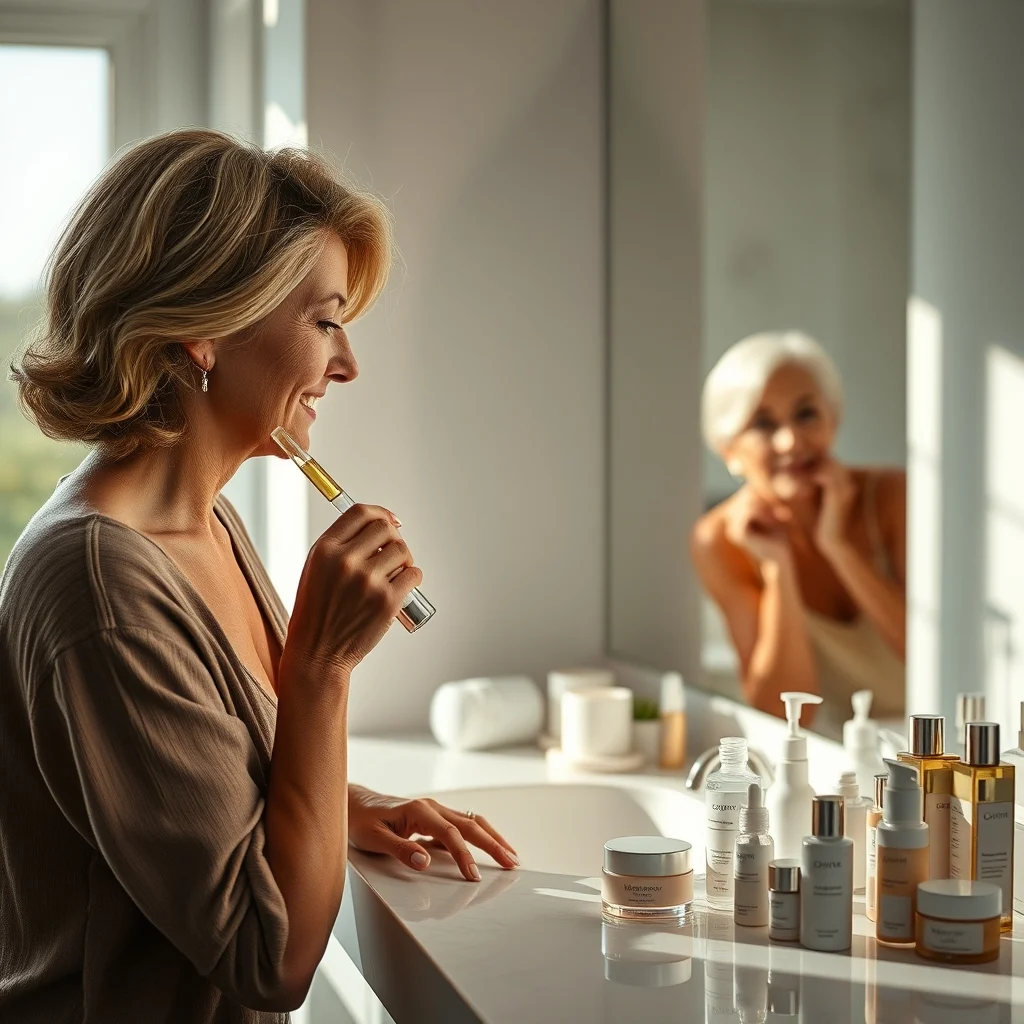
Skin health undergoes a profound transformation after forty, marked by shifts in collagen production, hydration levels, and cellular turnover. Skincare over forty is no longer a niche concern but a mainstream priority, driven by a growing demographic of individuals seeking evidence-based solutions to maintain radiance and resilience. This shift reflects broader societal changes, including increased life expectancy, advancements in dermatological research, and a cultural redefinition of aging. The global market for mature skin care products is projected to reach $27.3 billion by 2027, according to a report by Grand View Research, underscoring the urgency of addressing this segment’s unique needs.
The current landscape is shaped by a confluence of scientific innovation, consumer demand, and regulatory scrutiny. Dermatologists and skincare brands are collaborating to develop formulations that target specific concerns such as fine lines treatment, sagging skin remedy, and barrier repair for mature skin. Meanwhile, consumers are increasingly educated, seeking transparency in ingredient efficacy and sustainability. This article examines the multidimensional facets of mature skin radiance, from historical context to emerging trends, stakeholder perspectives, and quantitative data.
The Historical Evolution of Skincare for Mature Skin
Skincare rituals for aging skin have evolved significantly over the past century. In the early 1900s, anti-aging products were rudimentary, often relying on anecdotal remedies like cold cream and petroleum jelly. The 1960s introduced the first retinoids, initially developed to treat acne but later recognized for their wrinkle-smoothing properties. By the 1990s, the skincare industry saw a surge in collagen-boosting products, fueled by advancements in biotechnology and a growing consumer appetite for targeted solutions.
Key milestones in the evolution of skincare over forty include:
- 1971: FDA approval of tretinoin (Retin-A) for acne, later repurposed for anti-aging.
- 1986: Introduction of alpha hydroxy acids (AHAs) in over-the-counter skincare, revolutionizing exfoliation for mature skin.
- 2000s: Rise of peptide-based serums and firming serums for forty plus, targeting elasticity loss.
- 2010s: Emergence of perimenopause skin support products, addressing hormonal fluctuations.
- 2020s: Integration of AI-driven diagnostics and personalized skincare regimens, catering to individual needs.
This timeline reflects a broader shift from generic moisturizers to precision-based formulations, driven by scientific rigor and consumer demand for efficacy.
The Science Behind Mature Skin: Mechanisms and Challenges
Mature skin undergoes structural and functional changes that necessitate tailored interventions. Collagen, the protein responsible for skin’s firmness, declines by approximately 1% per year after the age of 20, accelerating after menopause due to hormonal shifts. A study published in the Journal of Investigative Dermatology found that women lose up to 30% of their collagen within the first five years of menopause, leading to increased sagging skin and wrinkles.
Key mechanisms affecting mature skin radiance include:
- Hydration Loss: The skin’s ability to retain moisture diminishes with age, exacerbated by environmental factors like low humidity and UV exposure. Deep moisture for mature skin products often incorporate hyaluronic acid and ceramides to restore the skin barrier.
- Elasticity Decline: Elastin fibers, which provide skin’s snap-back quality, degrade over time. Elasticity-restoring rituals frequently include peptides and growth factors to stimulate fibroblast activity.
- Cellular Turnover Slowdown: The skin’s natural exfoliation process slows, leading to dullness and uneven texture. Ingredients like retinol and AHAs are commonly used to accelerate cell renewal.
- Hormonal Fluctuations: Perimenopause and menopause trigger shifts in estrogen levels, impacting skin thickness and hydration. Menopause skincare essentials often feature phytoestrogens and adaptogens to mitigate these effects.
Dr. Patricia Farris, a board-certified dermatologist and clinical associate professor at Tulane University, notes, “The biological changes in mature skin are complex and multifaceted. While genetics play a role, environmental factors like sun exposure and lifestyle choices can accelerate or mitigate these changes. A targeted approach that addresses hydration, collagen synthesis, and barrier function is essential.”
Quantitative Data: Market Trends and Consumer Behavior
The skincare over forty market is expanding rapidly, driven by demographic shifts and increased consumer spending. According to a 2023 report by Statista, the global anti-aging market is expected to grow at a compound annual growth rate (CAGR) of 6.5% from 2023 to 2030. The following table highlights key statistics and trends:
| Metric | Data Point | Source |
|---|---|---|
| Global anti-aging market size (2023) | $22.1 billion | Statista |
| Projected market size (2030) | $35.7 billion | Statista |
| Percentage of women over 40 using anti-aging products | 78% | NPD Group |
| Top concerns for mature skin consumers | Wrinkles (62%), Dryness (58%), Loss of Firmness (55%) | Grand View Research |
| Growth rate of men’s anti-aging skincare segment | 8.1% CAGR (2023-2030) | Allied Market Research |
Consumer behavior is also evolving, with a growing preference for multi-functional products. A survey by the NPD Group found that 65% of women over 40 prioritize products that address multiple concerns, such as hydration for mature skin combined with fine lines treatment. Additionally, sustainability is a key driver, with 52% of consumers willing to pay a premium for eco-friendly packaging and ethically sourced ingredients.
“The modern consumer is informed and discerning,” says Sarah Brown, founder of the clean beauty brand Pai Skincare. “They want products that deliver results without compromising on ethics or sustainability. Brands that fail to adapt to these expectations risk losing relevance.”
Stakeholder Perspectives: Conflicting Priorities and Shared Goals
The skincare over forty ecosystem involves diverse stakeholders, each with distinct priorities and perspectives. Dermatologists emphasize evidence-based solutions, while brands focus on innovation and marketability. Consumers, meanwhile, seek affordability, efficacy, and transparency. These competing interests create a dynamic landscape where collaboration and conflict coexist.
Dermatologists: The Voice of Evidence-Based Care
Dermatologists advocate for a science-first approach, prioritizing ingredients with clinical validation. Dr. Joshua Zeichner, director of cosmetic and clinical research in dermatology at Mount Sinai Hospital, states, “The gold standard for mature skin radiance remains a combination of retinoids, antioxidants, and sunscreen. These ingredients have decades of research supporting their efficacy in addressing collagen loss, hyperpigmentation, and photoaging.”
However, dermatologists also caution against over-reliance on trendy ingredients. “Not every new ingredient lives up to the hype,” warns Dr. Zeichner. “Consumers should look for products with peer-reviewed studies and avoid those making exaggerated claims.”
Skincare Brands: Innovation and Market Demand
Brands are under pressure to innovate while meeting consumer expectations for rapid results. The rise of pro-aging beauty rituals reflects a shift from anti-aging rhetoric to a more inclusive, empowerment-focused narrative. Brands like Olay and Neutrogena have rebranded their mature skin lines to emphasize age well beauty forty plus, focusing on holistic well-being rather than erasing signs of aging.
“The conversation around aging has evolved,” explains Dr. Frauke Neuser, principal scientist at Olay. “Our research shows that women over 40 want to feel confident and radiant, not just look younger. This has led to a greater emphasis on nourishing mature skin care and products that enhance natural beauty.”
Consumers: The Demand for Transparency and Affordability
Consumers are increasingly vocal about their needs, particularly regarding transparency and affordability. A 2023 survey by Mintel found that 68% of women over 40 feel overwhelmed by the sheer volume of skincare options, leading to decision fatigue. Many are turning to dermatologist-recommended routines or minimalist approaches to simplify their regimens.
“I don’t have time for a 10-step routine,” says Maria Gonzalez, a 48-year-old marketing executive. “I need products that work together and deliver visible results. I also want to know what’s in them and whether they’re safe for my skin.”
Systemic Impacts: Beyond the Surface
The ripple effects of skincare over forty extend beyond individual beauty routines, influencing economic, social, and cultural landscapes. The growing demand for mature skin care products has spurred job creation in research and development, manufacturing, and retail. According to the U.S. Bureau of Labor Statistics, employment in the skincare industry is projected to grow by 17% from 2021 to 2031, faster than the average for all occupations.
Culturally, the emphasis on midlife glow skincare reflects a broader redefinition of aging. Social media platforms like Instagram and TikTok have amplified discussions around ageless beauty routines, with influencers and dermatologists sharing tips for maintaining radiance. This visibility has helped reduce stigma around aging, fostering a more inclusive beauty narrative.
However, challenges remain. The lack of standardized regulations for anti-aging claims has led to concerns about misinformation and consumer exploitation. The FDA does not define “anti-aging” as a regulated term, allowing brands to make unsubstantiated claims. This regulatory gap has prompted calls for greater oversight and transparency.
Emerging Trends and Future Outlook
The future of skincare over forty is shaped by technological advancements, shifting consumer values, and regulatory developments. Key trends to watch include:
- Personalization: AI-driven diagnostics and DNA-based skincare are gaining traction, allowing for hyper-personalized regimens. Companies like Curology and Proven Skincare use algorithms to tailor products to individual skin profiles.
- Sustainability: Brands are adopting eco-friendly practices, from refillable packaging to carbon-neutral manufacturing. Consumers are increasingly prioritizing sustainability, with 45% of women over 40 considering it a key factor in purchasing decisions.
- Holistic Wellness: The integration of skincare with overall health is becoming more pronounced. Products featuring adaptogens, probiotics, and CBD are gaining popularity for their dual benefits of nourishing mature skin care and promoting well-being.
- Regulatory Scrutiny: The FDA and other regulatory bodies are under pressure to address misleading claims in the anti-aging market. Upcoming guidelines may require brands to provide clinical evidence for their marketing statements.
Dr. Neuser of Olay predicts, “The next decade will see a convergence of technology, science, and consumer-centric innovation. The focus will shift from treating aging as a problem to enhancing skin health at every stage of life.”
The skincare over forty landscape is at a crossroads, balancing scientific progress with ethical responsibility. As the market continues to evolve, the emphasis on transparency, efficacy, and inclusivity will shape the future of mature skin radiance. For consumers, the key lies in staying informed, prioritizing evidence-based solutions, and embracing a holistic approach to skin health. The journey to youthful glow over forty is not about defying time but navigating it with confidence and resilience.
You may also like
-
Resveratrol in Age Defense: A Multidimensional Analysis of Antioxidant Science, Mechanisms, and Industry Evolution
-
The Comprehensive Science of Mature Skin Resilience: A Multidimensional Examination of Skincare Over Forty, Biological Adaptations, and Evidence-Based Innovations
-
The Strategic Framework of Mature Skin Resilience: A 360-Degree Examination of Skincare Over Forty, Biological Adaptations, and Evidence-Based Innovations
-
The Comprehensive Analysis of Individualistic Age Well Beauty: Autonomy, Confidence, and the Modern Reinterpretation of Aging
-
Sustainable Fashion: The Not-So-Trendy Truth Behind Eco-Friendly Couture