
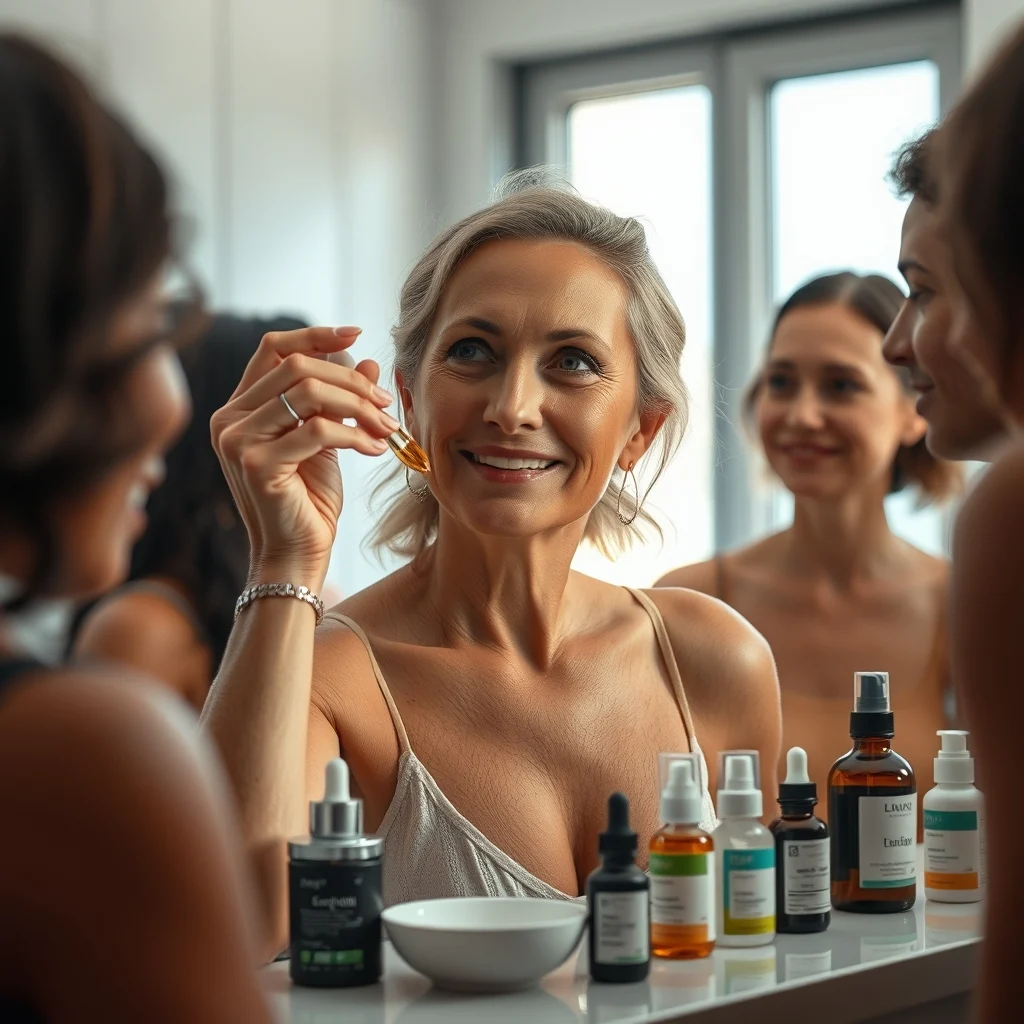
Women and men entering their fourth decade and beyond face a transformative phase in skin health, where biological shifts intersect with environmental stressors to redefine dermatological needs. Skincare over forty is no longer a niche concern but a mainstream priority, driven by a confluence of demographic trends, scientific breakthroughs, and consumer demand for evidence-based solutions. This shift is occurring globally, with markets in North America, Europe, and Asia-Pacific reporting double-digit growth in products targeting mature skin, according to a 2023 report by Grand View Research. The urgency is underscored by physiological changes—collagen production declines by 1% annually after age 30, while hormonal fluctuations during perimenopause and menopause accelerate moisture loss and elasticity degradation. Yet, the landscape is far from monolithic. Stakeholders range from dermatologists and biochemists to formulators, regulators, and consumers, each contributing to a dynamic ecosystem where efficacy, safety, and accessibility are constantly negotiated.
The evolution of skincare over forty reflects broader societal and scientific trends. Historically, anti-aging narratives dominated the discourse, framing mature skin as a problem to be fixed rather than a natural phase to be supported. This paradigm began shifting in the early 2010s, as pro-aging movements gained traction, advocating for rituals that prioritize skin health over arbitrary youthfulness. The rise of
You may also like
-
Resveratrol in Age Defense: A Multidimensional Analysis of Antioxidant Science, Mechanisms, and Industry Evolution
-
The Comprehensive Science of Mature Skin Resilience: A Multidimensional Examination of Skincare Over Forty, Biological Adaptations, and Evidence-Based Innovations
-
The Strategic Framework of Mature Skin Resilience: A 360-Degree Examination of Skincare Over Forty, Biological Adaptations, and Evidence-Based Innovations
-
The Comprehensive Analysis of Individualistic Age Well Beauty: Autonomy, Confidence, and the Modern Reinterpretation of Aging
-
Sustainable Fashion: The Not-So-Trendy Truth Behind Eco-Friendly Couture