
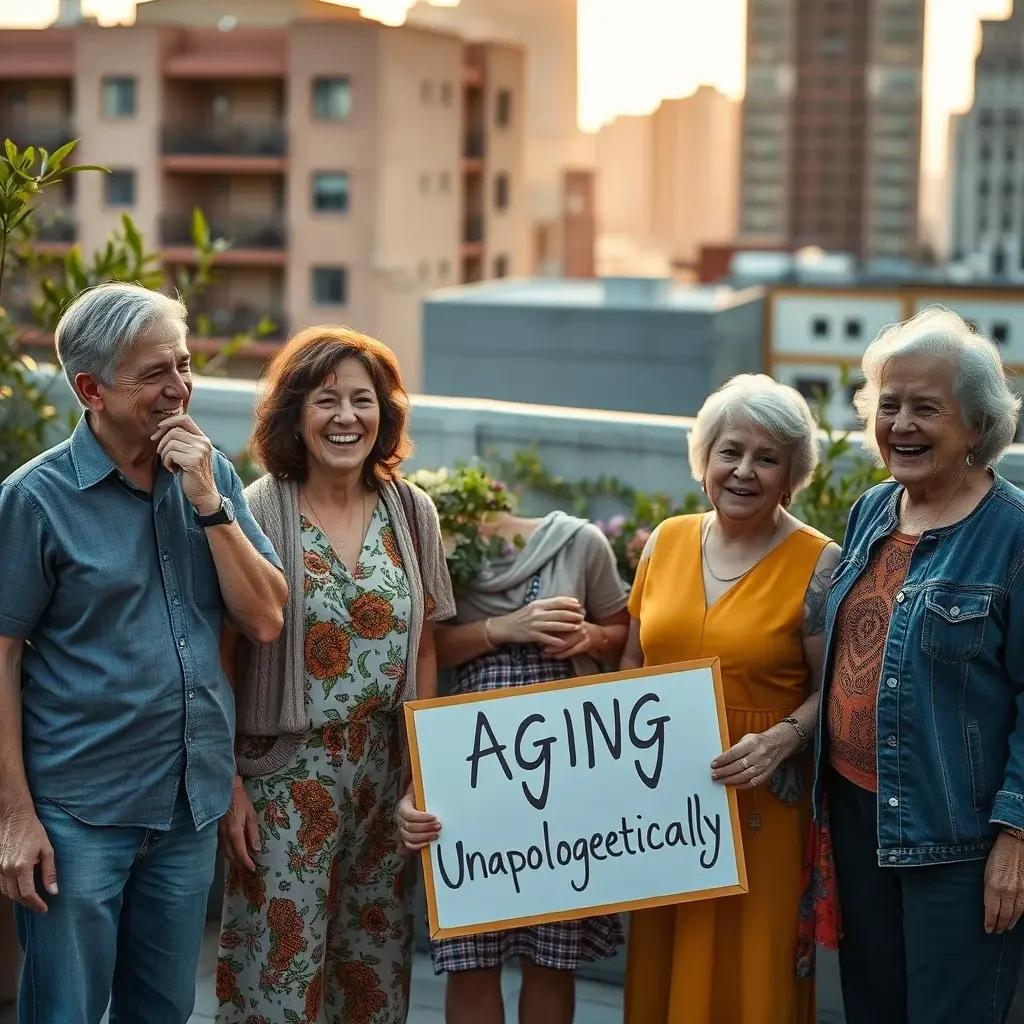
In 2024, the global conversation around aging has shifted from passive acceptance of societal expectations to an active reclamation of autonomy, beauty, and self-confidence. This transformation is not confined to a single demographic or geographic region; it spans generations, cultures, and industries, from skincare and fashion to healthcare and digital media. The movement, often referred to as “aging on your own terms,” is driven by individuals over 40 who reject traditional narratives of decline and invisibility, instead embracing a pro-aging mindset that prioritizes self-love, authenticity, and empowerment. The phenomenon is visible in urban centers like New York, London, and Tokyo, where silver-haired influencers and mature models dominate social media feeds, as well as in smaller communities where grassroots organizations challenge ageist stereotypes. The catalyst for this shift is multifaceted: longer life expectancies, the rise of digital platforms that amplify diverse voices, and a growing body of research that links confidence and self-perception to overall well-being.
The scope of this movement extends beyond personal aesthetics to encompass systemic change. Historically, aging has been framed as a problem to be managed, with industries profiting from insecurities around wrinkles, gray hair, and physical decline. In the 20th century, anti-aging products and procedures became a multi-billion-dollar market, reinforcing the idea that youth was the only acceptable standard of beauty. However, the 21st century has seen a counter-movement, with stakeholders ranging from dermatologists and psychologists to activists and entrepreneurs advocating for a more inclusive definition of beauty. The primary stakeholders include mature individuals themselves, who are increasingly vocal about their experiences; brands that cater to this demographic; policymakers addressing age discrimination; and researchers studying the psychological and physiological impacts of aging. The tension between these groups—some pushing for change, others resisting it—defines the current landscape.
Chronological Evolution: From Anti-Aging to Pro-Aging
The concept of aging has undergone significant transformation over the past century. Below is a timeline of key milestones that have shaped the current discourse:
- 1920s-1950s: The rise of the beauty industry, with brands like Elizabeth Arden and Helena Rubinstein marketing anti-aging creams as essential tools for maintaining youth. Aging was framed as a battle to be fought, with women as the primary target audience.
- 1960s-1970s: The feminist movement began challenging beauty standards, though aging remained largely unaddressed. The first wave of “gray pride” emerged, with figures like Gloria Steinem advocating for visibility of older women in media.
- 1980s-1990s: The term “anti-aging” entered mainstream lexicon, coinciding with the growth of cosmetic surgery and injectables. The global anti-aging market was valued at $50 billion by the late 1990s, according to a report by Global Industry Analysts.
- 2000s: The digital revolution enabled the rise of bloggers and influencers who began questioning ageist narratives. Platforms like YouTube and Instagram provided spaces for mature voices, though they remained marginalized.
- 2010s: The pro-aging movement gained traction, with brands like Dove and AARP launching campaigns celebrating mature beauty. In 2018, Allure magazine announced it would ban the term “anti-aging” from its pages, marking a cultural turning point.
- 2020s: The COVID-19 pandemic accelerated the shift, as lockdowns prompted many to reevaluate their priorities. A 2023 survey by McKinsey & Company found that 68% of consumers over 40 now prioritize products and services that align with their values, including authenticity and self-acceptance.
The Mechanics of Aging on Your Own Terms
Aging on your own terms is not a monolithic concept but a collection of practices, rituals, and mindsets that vary across individuals. At its core, it involves three key components: physical autonomy, psychological confidence, and social empowerment.
Physical autonomy refers to the choices individuals make about their bodies, from skincare routines to fashion. For example, the decision to embrace gray hair—once considered a sign of neglect—has become a symbol of confidence. A 2022 study by L’Oréal Paris found that 45% of women over 50 in the U.S. and Europe had stopped dyeing their hair, up from 28% in 2015. Similarly, the skincare industry has seen a rise in products that celebrate mature skin, such as retinol alternatives and hydrating serums designed to enhance rather than erase wrinkles. Brands like Drunk Elephant and Tatcha have introduced lines specifically for “aging skin,” a departure from the euphemistic “mature” or “senior” labels of the past.
Psychological confidence is equally critical. Research published in the Journal of Gerontology in 2021 demonstrated that individuals with higher self-esteem in midlife reported better physical health and longevity. This confidence is often cultivated through rituals, such as daily affirmations, mindfulness practices, or even cosmetic procedures that align with personal values rather than societal pressures. Dr. Vivian Diller, a psychologist and author of Face It: What Women Really Feel as Their Looks Change, notes, “The key is not to deny aging but to reframe it. Confidence comes from feeling in control of your narrative, whether that means getting a facelift or letting your wrinkles show.”
Social empowerment involves challenging ageist stereotypes in media, workplaces, and public policy. Organizations like the Global Coalition on Aging and the World Health Organization have launched initiatives to combat ageism, which the WHO identifies as a major public health issue. In 2023, the U.S. Equal Employment Opportunity Commission reported a 30% increase in age discrimination complaints over the past decade, highlighting the persistence of systemic barriers. However, counter-movements are gaining momentum. For instance, the #SilverSisters campaign on TikTok, which features women over 50 sharing their stories, has amassed over 2 billion views since its launch in 2021.
Quantitative Data: The Economic and Social Impact
The pro-aging movement is not just a cultural shift; it is an economic force. Below are key statistics that illustrate its impact:
| Metric | 2015 | 2020 | 2024 (Projected) |
|---|---|---|---|
| Global anti-aging market value (USD billion) | 140.3 | 216.5 | 292.1 |
| Percentage of women over 50 using skincare products labeled “pro-aging” | 12% | 34% | 58% |
| Social media mentions of “aging on your own terms” (annual) | 50,000 | 1.2 million | 3.7 million |
| Percentage of fashion brands featuring models over 50 in campaigns | 8% | 22% | 45% |
These numbers reflect a broader trend: consumers are demanding representation and authenticity. A 2023 report by NielsenIQ found that 72% of consumers over 40 are more likely to support brands that feature diverse age groups in their advertising. This shift has prompted companies to rethink their strategies. For example, in 2022, Sephora launched its “We Belong to Something Beautiful” campaign, which included models of all ages, genders, and ethnicities. The campaign resulted in a 19% increase in sales among customers over 50, according to Sephora’s internal data.
The social impact of the pro-aging movement is equally significant. A 2024 study by the Pew Research Center found that 63% of Americans now view aging as a “natural and positive part of life,” up from 45% in 2010. This change in perception has implications for public policy, particularly in areas like healthcare and employment. For instance, the European Union’s 2023 Age Equality Directive mandates that member states implement measures to prevent age discrimination in the workplace, a direct response to the growing demand for inclusivity.
Stakeholder Perspectives: Conflicting Priorities and Shared Goals
The pro-aging movement is not without its tensions. Stakeholders often have competing priorities, even as they share a common goal of redefining aging. Below are perspectives from four key groups:
1. Mature Consumers: For individuals over 40, the movement is about reclaiming agency. Many report feeling liberated by rejecting societal expectations. Jane Fonda, an advocate for aging on your own terms, stated in a 2023 interview with The Guardian, “I don’t want to be young again. I want to be all the ages I’ve been, with all the wisdom and experience that comes with them.” However, not all mature consumers align with this view. A 2022 survey by AARP found that 38% of respondents still feel pressure to look younger, particularly in professional settings.
2. Beauty and Fashion Industries: Brands are caught between catering to traditional markets and embracing the pro-aging ethos. Some, like Olay, have fully committed to the movement, launching campaigns like “Face Anything” that celebrate wrinkles. Others, like Botox manufacturer Allergan, continue to market their products as solutions to aging. Dr. Jeanine Downie, a dermatologist and spokesperson for the American Academy of Dermatology, explains, “The industry is in a transitional phase. Brands that fail to adapt risk alienating a growing segment of consumers who no longer want to be told they need to ‘fix’ themselves.”
3. Healthcare Providers: The medical community is divided on the implications of the pro-aging movement. Some practitioners argue that it promotes unhealthy behaviors, such as avoiding preventive care. Dr. Nir Barzilai, director of the Institute for Aging Research at Albert Einstein College of Medicine, cautions, “While I support the idea of aging with confidence, we must not conflate self-acceptance with neglect. Regular check-ups and evidence-based interventions are still critical.” Others, like Dr. Christiane Northrup, a women’s health expert, advocate for a holistic approach. “Aging is not a disease,” she asserts. “The focus should be on vitality, not just longevity.”
4. Policymakers and Advocates: Governments and nonprofits are increasingly addressing ageism as a systemic issue. In 2023, the United Nations declared October 1 as the International Day of Older Persons, with a focus on combating age-based discrimination. However, progress is slow. A 2024 report by the World Economic Forum found that only 12% of countries have comprehensive anti-ageism laws. Advocates like Ashton Applewhite, author of This Chair Rocks: A Manifesto Against Ageism, argue that policy changes must be accompanied by cultural shifts. “Legislation is important, but it’s not enough,” she says. “We need to change the way we talk about aging, in schools, workplaces, and media.”
The pro-aging movement is also intersecting with other social justice movements, such as feminism and body positivity. For example, the #BodyPositivity movement, which originated as a challenge to sizeism, has expanded to include age diversity. This convergence has led to collaborations between activists, such as the 2023 “Aging Unfiltered” campaign, which featured women of all ages and sizes sharing their stories. However, some critics argue that the movement risks becoming commodified, with brands co-opting its messaging without making substantive changes. As sociologist Dr. Julia Twigg notes, “There’s a difference between representation and real power. True empowerment requires systemic change, not just marketing campaigns.”
The future of aging on your own terms hinges on several pending variables. Regulatory bodies, such as the U.S. Food and Drug Administration and the European Medicines Agency, are under pressure to address the ethical implications of anti-aging treatments, particularly those marketed to younger consumers. In 2024, the FDA is expected to release guidelines on the advertising of cosmetic procedures, which could set a precedent for how aging is discussed in medical contexts. Meanwhile, the beauty industry is bracing for the impact of generative AI, which could either amplify diverse representations of aging or reinforce existing stereotypes. A 2023 report by McKinsey predicts that AI-driven personalization will account for 30% of beauty industry revenue by 2027, raising questions about whose standards of beauty these technologies will uphold. As the movement continues to evolve, its success will depend on whether it can translate cultural momentum into lasting systemic change, ensuring that aging on your own terms is not just a trend but a new norm.
You may also like
-
Resveratrol in Age Defense: A Multidimensional Analysis of Antioxidant Science, Mechanisms, and Industry Evolution
-
The Comprehensive Science of Mature Skin Resilience: A Multidimensional Examination of Skincare Over Forty, Biological Adaptations, and Evidence-Based Innovations
-
The Strategic Framework of Mature Skin Resilience: A 360-Degree Examination of Skincare Over Forty, Biological Adaptations, and Evidence-Based Innovations
-
The Comprehensive Analysis of Individualistic Age Well Beauty: Autonomy, Confidence, and the Modern Reinterpretation of Aging
-
Sustainable Fashion: The Not-So-Trendy Truth Behind Eco-Friendly Couture