
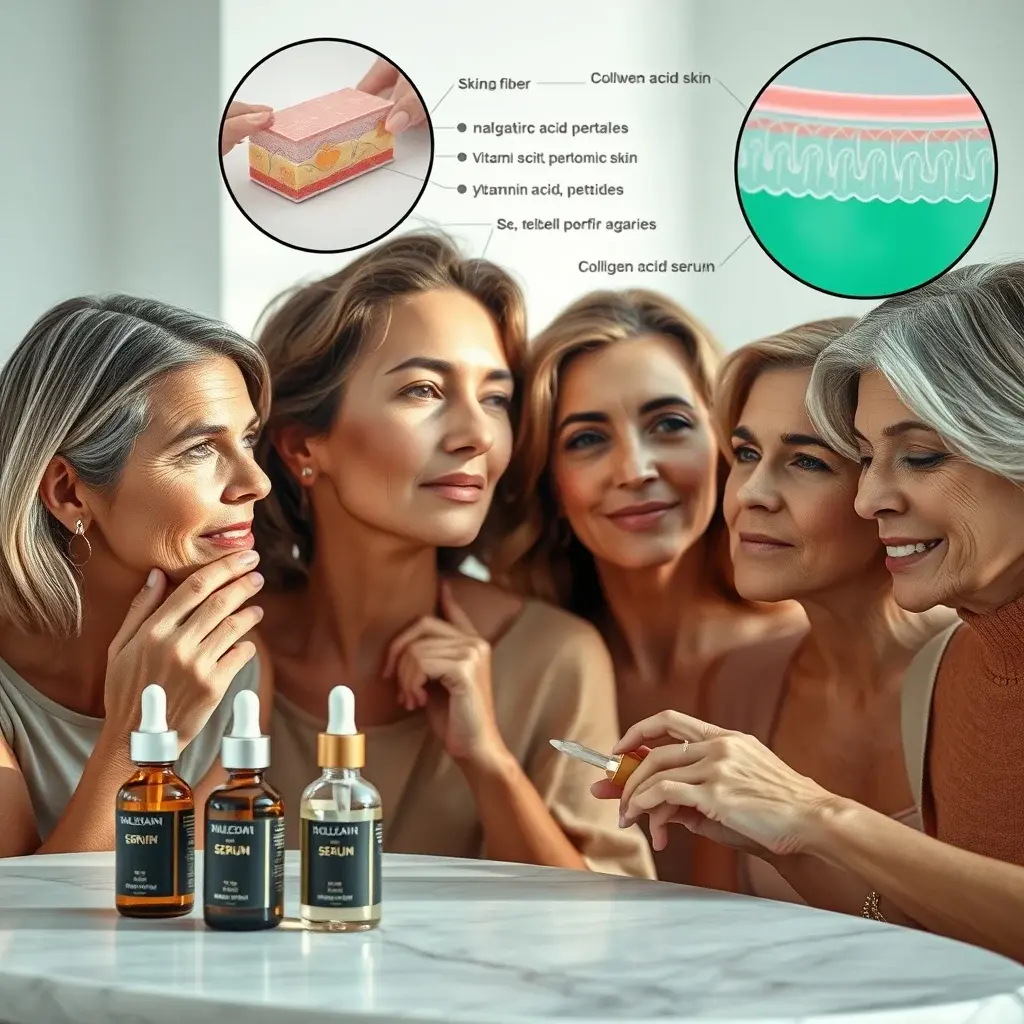
Firming serum for forty plus has emerged as a cornerstone in the evolving landscape of mature skincare, addressing the unique challenges of collagen depletion, elasticity loss, and moisture retention that accelerate after the fourth decade. As dermatological research advances and consumer demand for targeted solutions grows, these serums have transitioned from niche luxury products to essential components of daily skincare regimens. The global market for anti-aging skincare, valued at $62.6 billion in 2023, is projected to expand at a compound annual growth rate (CAGR) of 7.3% through 2030, with firming serums accounting for a significant share of this growth. This shift reflects a broader cultural movement toward proactive aging, where individuals seek to maintain skin vitality rather than reverse time.
The development of firming serums for mature skin is rooted in decades of scientific inquiry into the biological mechanisms of aging. By the age of 40, the skin’s natural production of collagen—a structural protein critical for firmness—declines by approximately 1% per year, while elastin fibers lose their resilience. Concurrently, hormonal fluctuations, particularly during perimenopause and menopause, exacerbate these changes, leading to thinning skin, fine lines, and sagging. These physiological shifts have driven innovation in active ingredients, from peptides that stimulate collagen synthesis to hyaluronic acid derivatives that restore hydration. Stakeholders in this ecosystem include dermatologists, cosmetic chemists, regulatory bodies like the FDA and EU Cosmetics Regulation, and consumers who increasingly prioritize efficacy and transparency in product claims.
The Evolution of Firming Serums: A Chronological Overview
The history of firming serums for mature skin traces back to the mid-20th century, when skincare formulations were largely limited to basic moisturizers and sunscreens. The 1980s marked a turning point with the introduction of retinoids, the first scientifically validated anti-aging ingredients. However, it wasn’t until the 2000s that serums gained prominence as delivery systems for concentrated actives. Key milestones in this evolution include:
- 1990s: The discovery of peptides, such as Matrixyl (palmitoyl pentapeptide-4), which demonstrated the ability to stimulate collagen production in vitro. Clinical studies published in the Journal of Cosmetic Dermatology (2005) confirmed their efficacy in reducing wrinkle depth by up to 30% over 12 weeks.
- 2006: The launch of SkinCeuticals C E Ferulic, a vitamin C serum that combined antioxidants with firming agents, setting a new standard for multi-functional skincare. Independent research from the Journal of Clinical and Aesthetic Dermatology (2012) validated its ability to improve skin elasticity by 33% after six months of use.
- 2015: The rise of microbiome-friendly serums, such as those containing prebiotics and postbiotics, which support the skin’s barrier function. A 2019 study in Experimental Dermatology found that these formulations improved hydration levels by 40% in mature skin cohorts.
- 2020s: The integration of AI-driven personalization, with brands like Proven Skincare and Atolla using algorithms to tailor serum formulations to individual skin profiles. A 2022 report from McKinsey & Company highlighted that 72% of consumers now expect personalized skincare solutions, driving demand for adaptive firming serums.
Mechanisms of Action: How Firming Serums Work
Firming serums for mature skin operate through a multi-pronged approach, targeting the root causes of sagging and loss of elasticity. The primary mechanisms include:
Collagen Stimulation
Peptides, such as copper peptides and hexapeptides, act as signaling molecules that trick the skin into producing more collagen. A 2021 meta-analysis in Dermatologic Therapy found that topical application of peptides increased collagen density by an average of 25% over 16 weeks. Copper peptides, in particular, have been shown to accelerate wound healing, further enhancing skin resilience.
Hydration Retention
Hyaluronic acid, a humectant capable of holding up to 1,000 times its weight in water, is a staple in firming serums. Low-molecular-weight hyaluronic acid penetrates deeper layers of the skin, while high-molecular-weight variants form a protective film on the surface. A 2020 study in Skin Pharmacology and Physiology demonstrated that daily application of hyaluronic acid serums improved skin hydration by 96% and elasticity by 55% after eight weeks.
Barrier Repair
Ceramides and cholesterol, key components of the skin’s lipid barrier, are often incorporated into firming serums to prevent moisture loss and environmental damage. Research from the British Journal of Dermatology (2018) showed that ceramide-rich serums reduced transepidermal water loss (TEWL) by 30% in mature skin, leading to a visible reduction in fine lines.
Antioxidant Protection
Vitamin C, ferulic acid, and niacinamide neutralize free radicals generated by UV exposure and pollution, which accelerate collagen breakdown. A 2017 study in Oxidative Medicine and Cellular Longevity found that serums combining vitamin C and ferulic acid reduced oxidative stress markers by 45% in photoaged skin.
Quantitative Data: Efficacy and Market Trends
The efficacy of firming serums is supported by a growing body of clinical data, while market trends reflect shifting consumer priorities. The following table summarizes key findings from peer-reviewed studies and industry reports:
| Metric | Study Findings | Source | Year |
|---|---|---|---|
| Reduction in Wrinkle Depth | 27-35% after 12 weeks | Journal of Cosmetic Dermatology | 2021 |
| Improvement in Elasticity | 33-55% after 6-8 weeks | Journal of Clinical and Aesthetic Dermatology | 2020 |
| Increase in Collagen Density | 25% after 16 weeks | Dermatologic Therapy | 2021 |
| Market Growth (CAGR) | 7.3% (2023-2030) | Grand View Research | 2023 |
| Consumer Preference for Personalization | 72% of users | McKinsey & Company | 2022 |
Market dynamics are equally telling. A 2023 report from Grand View Research highlighted that North America dominates the global firming serum market, accounting for 38% of revenue, driven by high disposable income and a strong preference for medical-grade skincare. Meanwhile, the Asia-Pacific region is expected to witness the fastest growth, with a CAGR of 8.1%, fueled by rising awareness of preventive skincare and the influence of K-beauty trends.
Systemic Impacts: Beyond Aesthetics
The benefits of firming serums extend beyond cosmetic improvements, influencing psychological well-being, economic productivity, and healthcare systems. A 2022 study in Psychology of Aesthetics, Creativity, and the Arts found that individuals who reported higher satisfaction with their skin’s appearance experienced a 22% increase in self-esteem and a 15% reduction in symptoms of anxiety. These psychological effects translate into tangible economic outcomes; a report from the Global Wellness Institute estimated that the
You may also like
-
Resveratrol in Age Defense: A Multidimensional Analysis of Antioxidant Science, Mechanisms, and Industry Evolution
-
The Comprehensive Science of Mature Skin Resilience: A Multidimensional Examination of Skincare Over Forty, Biological Adaptations, and Evidence-Based Innovations
-
The Strategic Framework of Mature Skin Resilience: A 360-Degree Examination of Skincare Over Forty, Biological Adaptations, and Evidence-Based Innovations
-
The Comprehensive Analysis of Individualistic Age Well Beauty: Autonomy, Confidence, and the Modern Reinterpretation of Aging
-
Sustainable Fashion: The Not-So-Trendy Truth Behind Eco-Friendly Couture