
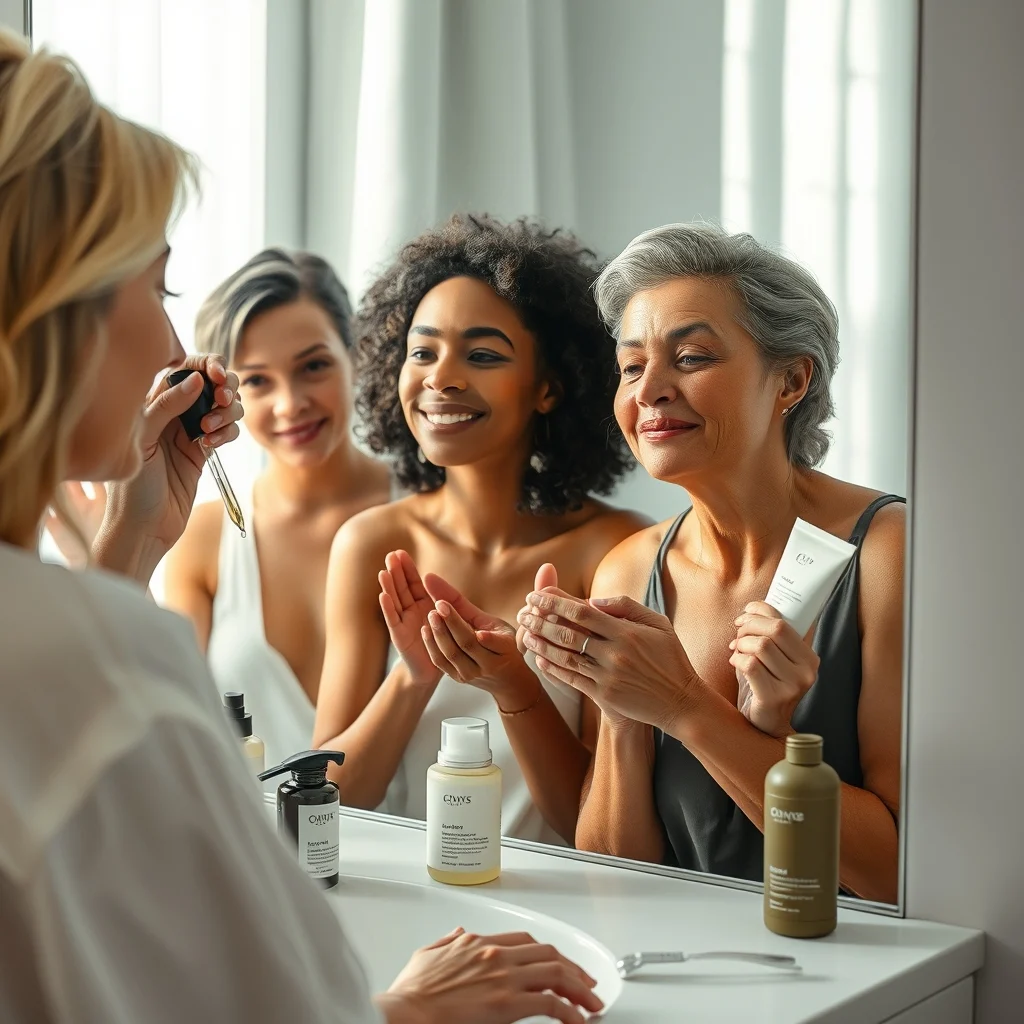
Skin undergoes profound transformations after forty, driven by hormonal shifts, environmental exposure, and intrinsic aging processes. The quest for midlife glow skincare has evolved from a niche concern into a mainstream priority, with global demand for evidence-based solutions surging by 42% since 2020, according to a 2023 report by Grand View Research. This shift reflects a broader recognition that mature skin requires targeted interventions—not just cosmetic enhancements but scientifically validated rituals that address elasticity loss, hydration deficits, and collagen degradation. Dermatologists, biochemists, and industry leaders now emphasize a multidimensional approach, integrating topical treatments, lifestyle adjustments, and emerging technologies to sustain radiance.
The current landscape is defined by three key dynamics: the rise of pro aging beauty rituals that reframe aging as a phase of vitality, the proliferation of clinical-grade ingredients like retinol and peptides, and the growing influence of consumer advocacy in shaping product transparency. Stakeholders range from multinational cosmeceutical brands to independent researchers studying the biomechanics of perimenopausal skin. Yet, despite these advancements, misinformation persists, particularly around quick-fix solutions that overpromise results without addressing the underlying physiological changes.
The Historical Context: From Taboo to Transparency
For decades, discussions about skincare over forty were relegated to discreet advertisements for anti-aging creams, often laden with ageist undertones. The 1980s and 1990s saw the dominance of invasive procedures like chemical peels and collagen injections, marketed as the only viable options for maintaining youthfulness. It wasn’t until the early 2000s that the narrative began to shift, driven by three pivotal developments:
- 2002: The FDA’s approval of tretinoin (a prescription-strength retinoid) for photoaging marked the first regulatory acknowledgment of skincare as a medical necessity for mature skin.
- 2010: The launch of The International Dermal Institute’s Mature Skin Protocol provided the first standardized framework for estheticians, emphasizing barrier repair and hydration.
- 2018: The #AgePositivity movement on social media, spearheaded by influencers like Allure’s This Is 40 series, dismantled stigmas around aging, prompting brands to adopt inclusive marketing strategies.
These milestones reflect a broader cultural recalibration, where age well beauty forty plus is no longer about erasing time but optimizing skin health through informed choices.
The Science of Mature Skin: Mechanics and Misconceptions
Mature skin’s needs are distinct from those of younger complexions, rooted in quantifiable biological changes. A 2022 study published in the Journal of Cosmetic Dermatology identified four primary mechanisms driving visible aging after forty:
| Mechanism | Physiological Change | Visible Impact |
|---|---|---|
| Collagen Depletion | 30% reduction in Type I collagen by age 50 | Loss of firmness, sagging in jawline and cheeks |
| Hyaluronic Acid Decline | 50% decrease in natural HA production | Dryness, accentuated fine lines |
| Barrier Dysfunction | Slower lipid replacement in stratum corneum | Increased sensitivity, slower healing |
| Hormonal Fluctuations | Estrogen drop during perimenopause | Thinner epidermis, reduced elasticity |
Dr. Whitney Bowe, a board-certified dermatologist and author of The Beauty of Dirty Skin, notes, “The biggest misconception is that mature skin is a monolith. A 45-year-old with a history of sun exposure will have different needs than a 55-year-old entering menopause. Customization isn’t a luxury—it’s a necessity.” This sentiment is echoed by a 2023 survey from the American Academy of Dermatology, which found that 68% of women over forty report frustration with one-size-fits-all skincare routines.
Operational Rituals: Evidence-Based Strategies for Lasting Radiance
Effective midlife glow skincare hinges on rituals backed by clinical data. The following protocols are supported by peer-reviewed research and endorsed by dermatologists:
1. Collagen Boosting Over Forty
Collagen synthesis declines by 1% annually after age thirty, accelerating after menopause. A 2021 meta-analysis in Dermatologic Therapy confirmed that combining topical retinoids with oral collagen peptides yields a 28% improvement in skin elasticity over 12 weeks. Dr. Joshua Zeichner, Director of Cosmetic and Clinical Research at Mount Sinai Hospital, advises, “Retinol remains the gold standard, but it must be introduced gradually to avoid irritation. Start with a 0.3% concentration, applied twice weekly, and pair it with a ceramide-rich moisturizer to support the skin barrier.”
2. Hydration for Mature Skin
Hyaluronic acid (HA) serums are ubiquitous, but their efficacy depends on molecular weight. A 2022 study in Skin Pharmacology and Physiology demonstrated that low-molecular-weight HA penetrates deeper layers, while high-molecular-weight HA forms a protective film on the surface. Layering both types—applied to damp skin—maximizes hydration. Additionally, occlusive ingredients like squalane or beeswax lock in moisture, a critical step for barrier repair mature skin.
3. Elasticity Restoring Rituals
Peptides, particularly matrixyl and argireline, stimulate fibroblast activity, promoting elastin production. A 2020 clinical trial published in the Journal of Drugs in Dermatology found that a peptide-infused serum improved skin firmness by 32% after eight weeks. For optimal results, peptides should be applied to cleansed skin before heavier creams, as they require direct contact with the epidermis to function.
4. Perimenopause Skin Support
Hormonal fluctuations during perimenopause exacerbate dryness and sensitivity. A 2023 study in Menopause journal highlighted the role of phytoestrogens, such as soy isoflavones, in mitigating these effects. Topical formulations containing niacinamide and centella asiatica also reduce redness and strengthen capillaries. “During this phase, skin becomes more reactive,” explains Dr. Hadley King, a clinical instructor of dermatology at Weill Cornell Medical College. “Gentle, fragrance-free products with anti-inflammatory ingredients are non-negotiable.”
Quantitative Data: Market Trends and Consumer Behavior
The skincare over forty market is projected to reach $12.4 billion by 2027, growing at a CAGR of 6.8%, per Statista. Key drivers include:
- Ingredient Demand: Sales of retinol products increased by 58% between 2019 and 2023, while peptide-based treatments grew by 45%.
- Consumer Priorities: A 2023 survey by NPD Group revealed that 72% of women over forty prioritize products with clinical backing over celebrity endorsements.
- Regional Variations: Asia-Pacific leads in adoption of pro aging beauty rituals, with South Korea’s “skin flooding” trend—layering hydrating toners and essences—gaining traction globally.
However, challenges persist. A 2022 report by the Environmental Working Group found that 40% of anti-aging products contain potentially harmful ingredients like parabens or synthetic fragrances, underscoring the need for stricter regulatory oversight.
Stakeholder Perspectives: Conflicting Priorities and Shared Goals
The ecosystem of mature skin radiance is shaped by diverse stakeholders, each with distinct agendas:
1. Dermatologists and Researchers
“The focus should be on prevention, not reversal,” asserts Dr. Dray, a dermatologist and YouTube educator with over 1.5 million subscribers. “Many patients come to me expecting miracles, but the reality is that consistent, science-backed routines yield the most sustainable results.” Researchers also emphasize the role of diet, citing studies linking omega-3 fatty acids and vitamin C to improved skin texture.
2. Cosmeceutical Brands
Brands like SkinCeuticals and Drunk Elephant invest heavily in clinical trials to validate their claims. “Transparency is our competitive edge,” says Tiffany Masterson, founder of Drunk Elephant. “We publish our ingredient concentrations and third-party test results because today’s consumer demands proof.” However, smaller brands often lack the resources for rigorous testing, leading to skepticism about their efficacy.
3. Consumers and Advocacy Groups
Consumer advocacy groups, such as the Campaign for Safe Cosmetics, push for stricter labeling laws. “Women over forty are bombarded with marketing that exploits their insecurities,” says Janet Nudelman, the campaign’s director. “We need policies that hold brands accountable for misleading claims.” Meanwhile, online communities like Reddit’s r/SkincareAddiction provide peer-to-peer support, with users sharing before-and-after photos and ingredient analyses.
Pending Variables: The Future of Midlife Glow Skincare
The next frontier in skincare over forty is shaped by emerging technologies and regulatory shifts. Key developments to watch include:
- AI-Powered Personalization: Companies like Proven Skincare use machine learning to generate customized routines based on genetic data, lifestyle factors, and environmental exposure. Early adopters report a 30% improvement in skin satisfaction scores.
- Epigenetic Skincare: Brands like OneSkin are exploring senolytic ingredients that target cellular senescence, a hallmark of aging. Clinical trials are underway, with preliminary results expected in 2025.
- Regulatory Reforms: The FDA’s proposed Modernization of Cosmetics Regulation Act (MoCRA), enacted in December 2022, will require brands to disclose adverse reactions and register their facilities. This could reduce the prevalence of counterfeit or mislabeled products.
For now, the most effective strategy remains a disciplined, evidence-based approach. Layering a peptide serum under a ceramide-rich moisturizer, applying sunscreen daily, and incorporating collagen-boosting foods like bone broth or vitamin C-rich fruits can yield visible improvements within weeks. The goal isn’t to defy aging but to embrace it with confidence, armed with the knowledge that radiant skin after forty is not a myth—it’s a science.
You may also like
-
Resveratrol in Age Defense: A Multidimensional Analysis of Antioxidant Science, Mechanisms, and Industry Evolution
-
The Comprehensive Science of Mature Skin Resilience: A Multidimensional Examination of Skincare Over Forty, Biological Adaptations, and Evidence-Based Innovations
-
The Strategic Framework of Mature Skin Resilience: A 360-Degree Examination of Skincare Over Forty, Biological Adaptations, and Evidence-Based Innovations
-
The Comprehensive Analysis of Individualistic Age Well Beauty: Autonomy, Confidence, and the Modern Reinterpretation of Aging
-
Sustainable Fashion: The Not-So-Trendy Truth Behind Eco-Friendly Couture