
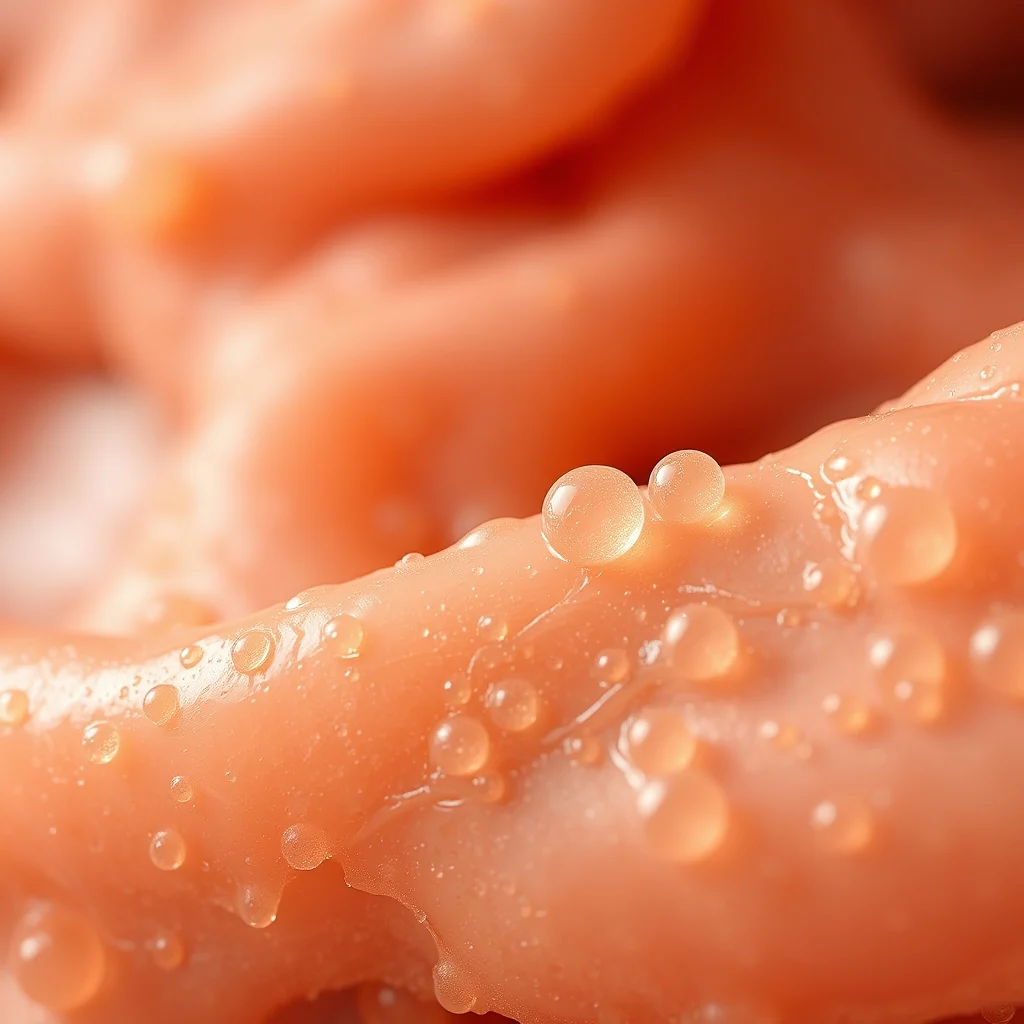
In 2024, the global skincare industry continues to prioritize barrier repair as a cornerstone of anti-aging and therapeutic dermatology, with ceramide dynamic replenishment emerging as a critical focus. Ceramides, a class of lipid molecules naturally present in the stratum corneum, constitute approximately 50% of the skin’s barrier lipids, working alongside cholesterol and free fatty acids to maintain hydration, prevent transepidermal water loss (TEWL), and shield against environmental aggressors. Recent market data from Grand View Research projects the ceramide-based skincare sector to reach $1.2 billion by 2027, growing at a compound annual rate of 6.8%, driven by rising consumer awareness of barrier dysfunction and the proliferation of ceramide-enriched formulations in both medical and cosmetic product lines. This trend reflects a broader shift in dermatological science, where the restoration of lipid homeostasis is increasingly viewed as a prerequisite for addressing conditions ranging from atopic dermatitis to photoaging.
The current landscape is shaped by three key developments: the commercialization of bioidentical ceramide complexes, the integration of ceramide precursors in microbiome-friendly formulations, and the regulatory scrutiny of marketing claims by agencies such as the U.S. Food and Drug Administration (FDA) and the European Commission. Industry stakeholders—including multinational corporations like L’Oréal and Estée Lauder, niche biotech firms such as Ceramedx and SkinCeuticals, and academic research consortia—are investing heavily in ceramide delivery systems, with a particular emphasis on nanotechnology and encapsulation techniques to enhance penetration and stability. Meanwhile, consumer demand for
You may also like
-
Resveratrol in Age Defense: A Multidimensional Analysis of Antioxidant Science, Mechanisms, and Industry Evolution
-
The Comprehensive Science of Mature Skin Resilience: A Multidimensional Examination of Skincare Over Forty, Biological Adaptations, and Evidence-Based Innovations
-
The Strategic Framework of Mature Skin Resilience: A 360-Degree Examination of Skincare Over Forty, Biological Adaptations, and Evidence-Based Innovations
-
The Comprehensive Analysis of Individualistic Age Well Beauty: Autonomy, Confidence, and the Modern Reinterpretation of Aging
-
Sustainable Fashion: The Not-So-Trendy Truth Behind Eco-Friendly Couture