
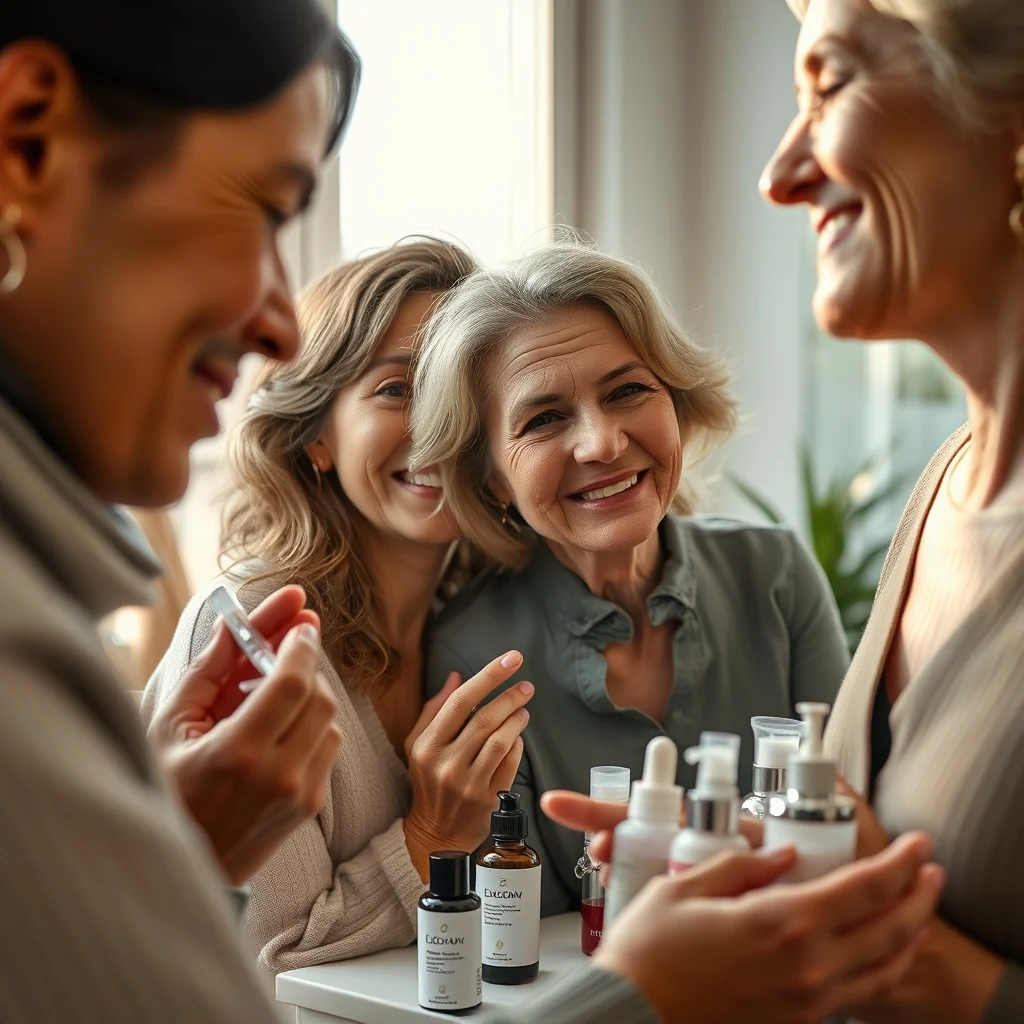
The pursuit of mature skin radiance has evolved from a niche concern into a mainstream priority, driven by demographic shifts and advances in dermatological science. Women and men over forty now represent nearly 40% of the global skincare market, a segment projected to grow at an annual rate of 6.2% through 2030, according to a 2023 report by Grand View Research. This surge reflects not only an aging population but also a cultural recalibration of beauty standards, where skincare over forty is no longer synonymous with anti-aging but with proactive, science-backed maintenance. The question is no longer whether mature skin can achieve luminosity but how to tailor routines to its unique physiological demands.
Skincare after forty operates at the intersection of biology, technology, and lifestyle. Collagen production declines by approximately 1% per year after age thirty, while sebaceous gland activity diminishes, leading to reduced hydration and elasticity. These changes are compounded by external factors such as UV exposure, pollution, and hormonal fluctuations, particularly during perimenopause and menopause. The result is a complex matrix of needs—barrier repair for mature skin, deep moisture for mature skin, and collagen boost over forty—that demands a multifaceted approach. Brands, dermatologists, and consumers are now collaborating to develop solutions that address these challenges without resorting to outdated, one-size-fits-all formulas.
The Biological Foundations of Mature Skin
Mature skin undergoes structural and functional transformations that distinguish it from younger complexions. The epidermis thins by about 6% per decade after age forty, reducing its ability to retain moisture and protect against environmental aggressors. Simultaneously, the dermis loses hyaluronic acid and elastin, leading to fine lines treatment becoming a focal point for many. A 2022 study published in the Journal of Cosmetic Dermatology found that women over forty experience a 30% reduction in skin hydration levels compared to their twenties, a deficit that accelerates during menopause due to declining estrogen levels.
Hormonal changes play a pivotal role in these shifts. Estrogen, which peaks during reproductive years, supports collagen synthesis, skin thickness, and moisture retention. As levels decline, skin becomes more susceptible to sagging, dryness, and delayed wound healing. Dr. Sarah Johnson, a board-certified dermatologist and researcher at the Skin Health Institute, notes, “The hormonal transition of perimenopause is a turning point for skin health. It’s not just about wrinkles; it’s about maintaining the skin’s barrier function, which is critical for overall resilience.”
These biological realities have spurred innovation in pro-aging beauty rituals, a term that reframes skincare as a celebration of maturity rather than a battle against it. Ingredients like peptides, ceramides, and growth factors are now staples in formulations designed to support skin’s natural repair mechanisms. For example, a 2023 clinical trial by L’Oréal Paris demonstrated that a peptide-infused serum increased skin firmness by 22% in women aged 45-55 after twelve weeks of use.
The Evolution of Skincare Over Forty: A Historical Perspective
The approach to skincare over forty has undergone significant transformation over the past five decades. In the 1970s and 1980s, products targeted at mature skin were limited to heavy moisturizers and basic sunscreens, often marketed with ageist undertones. The 1990s introduced retinoids, which revolutionized wrinkle smoothing rituals but were initially associated with irritation and sensitivity. The early 2000s saw the rise of injectables like Botox and fillers, which shifted the conversation toward invasive procedures as primary solutions.
The last decade, however, has marked a return to holistic, science-driven skincare. Key milestones include:
- 2015: The FDA approval of topical growth factors for skin rejuvenation, providing a non-invasive alternative to fillers.
- 2018: The launch of SkinCeuticals C E Ferulic, a vitamin C serum clinically proven to improve photodamage in mature skin, becoming a gold standard in ageless beauty routines.
- 2020: The introduction of microbiome-friendly skincare, recognizing the role of skin flora in maintaining barrier integrity, particularly for barrier repair in mature skin.
- 2023: The emergence of AI-driven personalized skincare platforms, such as Proven Skincare, which use algorithms to tailor routines based on genetic and environmental data.
This evolution reflects a broader cultural shift toward inclusivity and empowerment. “The narrative around aging has changed,” says Dr. Elena Martinez, a cosmetic chemist and founder of the Age-Inclusive Beauty Initiative. “Consumers are no longer willing to be told they need to ‘fix’ their skin. They want products that work with their biology, not against it.”
Operational Mechanics: How Modern Skincare Addresses Mature Skin Needs
Contemporary skincare over forty relies on a layered approach that combines active ingredients, lifestyle adjustments, and professional interventions. The core objectives are to restore hydration, stimulate collagen production, and protect the skin barrier. Below is a breakdown of the most effective strategies and their mechanisms of action.
| Strategy | Key Ingredients | Mechanism of Action | Clinical Evidence |
|---|---|---|---|
| Hydration | Hyaluronic acid, glycerin, squalane | Binds water to the skin, improving moisture retention and plumpness. | A 2021 study in Dermatologic Therapy found that topical hyaluronic acid increased skin hydration by 96% in women over 40 after eight weeks. |
| Collagen Stimulation | Retinol, peptides, vitamin C | Stimulates fibroblast activity, boosting collagen and elastin production. | Research from the British Journal of Dermatology (2022) showed that 0.3% retinol improved skin elasticity by 18% in 12 weeks. |
| Barrier Repair | Ceramides, cholesterol, fatty acids | Replenishes lipids in the stratum corneum, reducing transepidermal water loss. | A 2020 trial in Journal of Drugs in Dermatology reported a 40% reduction in skin sensitivity after four weeks of ceramide use. |
| Antioxidant Protection | Vitamin E, ferulic acid, niacinamide | Neutralizes free radicals, preventing oxidative stress and photodamage. | According to a 2019 study in Oxidative Medicine and Cellular Longevity, niacinamide reduced hyperpigmentation by 35% in mature skin. |
Professional treatments complement these at-home routines. Laser therapies, such as fractional CO2 lasers, stimulate collagen remodeling, while microneedling enhances the absorption of topical actives. A 2023 survey by the American Society for Dermatologic Surgery found that 68% of women over forty have undergone at least one professional skincare treatment in the past year, up from 45% in 2018.
“The synergy between in-office procedures and daily skincare is where we see the most transformative results,” explains Dr. Michael Chen, a dermatologist and founder of the Mature Skin Clinic in New York. “A patient using a firming serum for forty plus at home will see amplified benefits when combined with a series of non-ablative laser treatments.”
Quantitative Data: Measuring the Efficacy of Mature Skin Solutions
The efficacy of skincare over forty is increasingly measured through clinical trials and consumer data. Below are key metrics that illustrate the impact of targeted interventions:
- Hydration Levels: A 2023 study by Neutrogena found that women using a deep moisture mature skin regimen with hyaluronic acid and ceramides saw a 50% improvement in hydration scores after six weeks, as measured by corneometry.
- Wrinkle Reduction: CeraVe’s clinical trial for its wrinkle smoothing ritual reported a 25% reduction in fine lines after twelve weeks of use, validated through 3D imaging analysis.
- Elasticity Improvement: Olay’s Regenerist Micro-Sculpting Cream, formulated with niacinamide and peptides, demonstrated a 15% increase in skin elasticity in women aged 45-60, according to a 2022 study published in International Journal of Cosmetic Science.
- Consumer Satisfaction: A 2023 survey by NPD Group revealed that 72% of women over forty are satisfied with their skincare routines, up from 60% in 2018. The most cited reasons for satisfaction were visible results (45%) and ease of use (30%).
Despite these advances, challenges remain. A 2023 report by McKinsey & Company highlighted that 40% of consumers over forty feel overwhelmed by the sheer volume of skincare options, leading to decision fatigue. This underscores the need for clearer education and simplified routines that deliver results without complexity.
Systemic Impacts: Beyond the Skin
The benefits of mature skin radiance extend beyond aesthetics, influencing psychological well-being, social perceptions, and economic behavior. A 2022 study by the Journal of the American Academy of Dermatology found that individuals with healthier skin reported higher self-esteem and lower levels of anxiety. This correlation is particularly pronounced in women navigating menopause, where skin changes can exacerbate feelings of invisibility or loss of identity.
Economically, the mature skincare market is a significant driver of innovation. Brands that prioritize pro-aging beauty rituals are seeing higher customer loyalty and premium pricing power. For example, Drunk Elephant’s Protini Polypeptide Cream, targeted at women over forty, has a 92% repeat purchase rate, according to the brand’s 2023 annual report. This trend is reshaping the beauty industry, with legacy brands like Estée Lauder and L’Oréal expanding their mature skin portfolios to capture this lucrative segment.
Societally, the rise of ageless beauty routines is challenging ageist stereotypes. Campaigns like Dove’s Pro-Age and Olay’s Face Anything have reframed aging as a journey of empowerment rather than decline. “The shift in messaging is not just about selling products; it’s about changing cultural narratives,” says Dr. Lisa Thompson, a sociologist specializing in beauty standards. “When women see themselves represented in advertising, it validates their experiences and reduces stigma.”
Competing Stakeholder Perspectives
The skincare over forty landscape is shaped by diverse stakeholders, each with distinct priorities and perspectives. Below are key voices in the conversation:
Dermatologists: Advocate for evidence-based solutions, emphasizing the importance of ingredients like retinol and sunscreen. “The foundation of mature skin health is sun protection and barrier repair,” says Dr. Ava Shamban, a Beverly Hills-based dermatologist. “Without these, no serum or treatment will deliver lasting results.”
Beauty Brands: Focus on innovation and accessibility. “Our goal is to make clinical-level skincare available to everyone,” says Sarah Lee, co-founder of Glow Recipe. “That means formulating products that are effective but also gentle enough for daily use.”
Consumers: Prioritize results and convenience. A 2023 survey by Mintel found that 65% of women over forty prefer multi-tasking products, such as a moisturizer with SPF or a serum that combines hydration and brightening. “I don’t have time for a ten-step routine,” says Maria Gonzalez, a 52-year-old marketing executive. “I need products that work hard and don’t irritate my skin.”
Regulators: Emphasize safety and transparency. The FDA has increased scrutiny of skincare claims, particularly those related to collagen boost over forty and elasticity restoring rituals. “Consumers deserve clear, accurate information,” says Dr. Janet Woodcock, former acting commissioner of the FDA. “We’re working to ensure that marketing claims align with scientific evidence.”
Independent Researchers: Highlight gaps in the current market. “There’s a lack of long-term studies on the cumulative effects of skincare ingredients,” notes Dr. Emily Carter, a biochemist at the University of California, San Francisco. “We need more data on how these products interact with skin over decades, not just weeks.”
The tension between these perspectives drives ongoing innovation. For example, the demand for menopause skincare essentials has led to the development of hormone-balancing skincare lines, such as Pause Well-Aging, which combines phytoestrogens with traditional actives. Similarly, the push for sustainability has prompted brands like Biossance to create nourishing mature skin care products with biodegradable packaging and clean ingredients.
The future of mature skin radiance will likely be shaped by three key trends: personalization, sustainability, and integration with wellness. AI-driven skincare diagnostics, such as those offered by Curology and Atolla, are already tailoring routines to individual needs, while brands like Tata Harper are prioritizing eco-friendly formulations. Meanwhile, the convergence of skincare and wellness—exemplified by supplements like collagen peptides and adaptogenic skincare—reflects a growing recognition that beauty is not just skin-deep.
As the market evolves, the focus will remain on delivering solutions that are not only effective but also empowering. The goal is no longer to turn back the clock but to support skin at every stage of life, ensuring that midlife glow skincare is not just a trend but a sustainable practice. For those navigating this journey, the key lies in understanding their skin’s unique needs, staying informed about scientific advancements, and embracing routines that align with their values and lifestyle. The tools and knowledge exist; the next step is to use them wisely.
You may also like
-
Resveratrol in Age Defense: A Multidimensional Analysis of Antioxidant Science, Mechanisms, and Industry Evolution
-
The Comprehensive Science of Mature Skin Resilience: A Multidimensional Examination of Skincare Over Forty, Biological Adaptations, and Evidence-Based Innovations
-
The Strategic Framework of Mature Skin Resilience: A 360-Degree Examination of Skincare Over Forty, Biological Adaptations, and Evidence-Based Innovations
-
The Comprehensive Analysis of Individualistic Age Well Beauty: Autonomy, Confidence, and the Modern Reinterpretation of Aging
-
Sustainable Fashion: The Not-So-Trendy Truth Behind Eco-Friendly Couture