
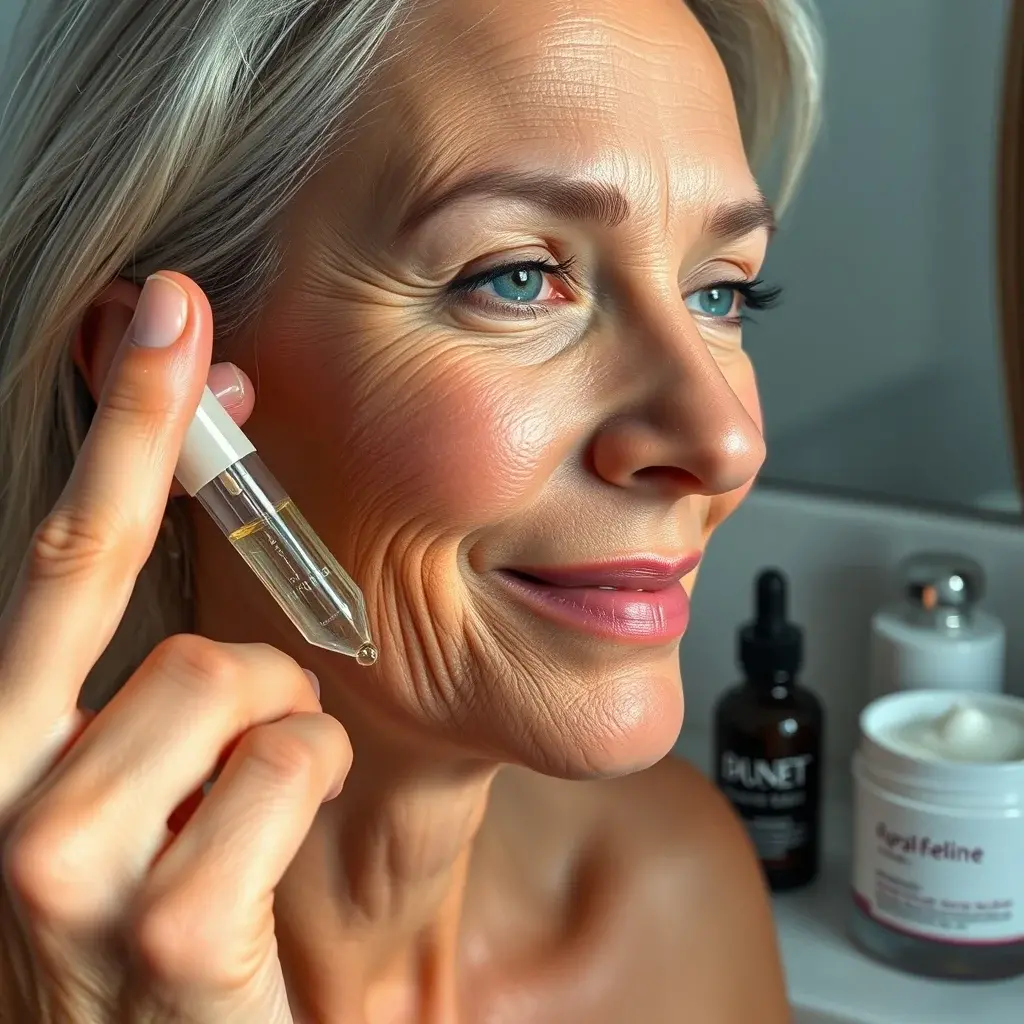
Skin health undergoes profound transformations after forty, with barrier repair emerging as a cornerstone of effective skincare over forty. The epidermal barrier, a dynamic lipid-protein matrix, weakens due to intrinsic aging, environmental stressors, and hormonal fluctuations, leading to increased transepidermal water loss, heightened sensitivity, and accelerated visible aging. This shift demands a recalibration of skincare strategies, prioritizing barrier restoration alongside traditional anti-aging interventions. Dermatologists, biochemists, and industry leaders now emphasize that sustained radiance in mature skin hinges on repairing and maintaining this critical protective layer.
Executive Summary: The Who, What, When, Where, Why, and How of Barrier Repair
Who: The primary stakeholders include dermatologists, cosmetic chemists, skincare brands, and consumers aged 40 and above, particularly women navigating perimenopause and menopause. Independent researchers and regulatory bodies like the FDA and EU Cosmetics Regulation also play pivotal roles in shaping product efficacy and safety standards.
What: Barrier repair refers to the process of restoring the skin’s outermost layer, the stratum corneum, to its optimal function. This involves replenishing lipids (ceramides, cholesterol, and fatty acids), reinforcing tight junctions, and supporting the microbiome. For mature skin, this translates to products and rituals designed to counteract age-related lipid depletion and structural degradation.
When: The need for barrier repair intensifies in the fourth decade of life, coinciding with declining collagen production, reduced sebum output, and hormonal shifts. Environmental exposure over time—such as UV radiation, pollution, and harsh weather—further exacerbates barrier compromise, making proactive intervention essential.
Where: Barrier repair is a global concern, with regional variations in product formulations and consumer preferences. In North America and Europe, ceramide-rich moisturizers and niacinamide serums dominate the market, while Asian markets favor multi-step routines incorporating fermented ingredients and barrier-supportive essences. Climate also dictates approach: arid environments necessitate heavier occlusives, while humid regions benefit from lightweight, breathable formulations.
Why: A compromised barrier accelerates the aging process by allowing irritants to penetrate, triggering inflammation and oxidative stress. This cascade leads to fine lines, sagging, and uneven texture. Conversely, a robust barrier enhances hydration retention, improves product efficacy, and provides a smoother canvas for makeup application. For mature skin, barrier repair is not merely corrective but preventive, staving off further damage.
How: Barrier repair is achieved through a combination of topical treatments, lifestyle adjustments, and professional interventions. Key ingredients include ceramides, hyaluronic acid, cholesterol, fatty acids, and peptides. Rituals often involve gentle cleansing, pH-balanced toners, and layered hydration, followed by occlusive agents to lock in moisture. Professional treatments like laser therapy and microneedling can also stimulate barrier recovery by promoting collagen synthesis and lipid production.
Historical Context: The Evolution of Barrier Repair in Skincare
The concept of barrier repair has evolved significantly over the past five decades, shaped by scientific discoveries and shifting beauty paradigms.
- 1970s-1980s: Early research by dermatologists like Peter Elias and Donald Downing laid the foundation for understanding the stratum corneum’s lipid bilayer. Their work demonstrated that the barrier’s integrity depended on a precise ratio of ceramides, cholesterol, and free fatty acids. However, skincare products of this era focused primarily on hydration and anti-aging, with little emphasis on barrier-specific ingredients.
- 1990s: The introduction of ceramide-based moisturizers, such as CeraVe in 2005, marked a turning point. Developed in collaboration with dermatologists, these products were among the first to explicitly target barrier repair. Concurrently, the rise of retinoids and alpha hydroxy acids (AHAs) in anti-aging routines highlighted the need for barrier support, as these ingredients often caused irritation and compromised the skin’s protective layer.
- 2000s: Advances in biotechnology led to the development of synthetic ceramides and cholesterol derivatives, improving the stability and efficacy of barrier-repair formulations. The skincare industry also began to embrace the concept of the skin microbiome, recognizing its role in maintaining barrier function. Probiotic and prebiotic skincare emerged as a complementary approach to traditional barrier repair.
- 2010s-Present: The focus has shifted toward personalized barrier repair, with brands leveraging AI and genetic testing to tailor products to individual skin needs. The rise of
You may also like
-
Resveratrol in Age Defense: A Multidimensional Analysis of Antioxidant Science, Mechanisms, and Industry Evolution
-
The Comprehensive Science of Mature Skin Resilience: A Multidimensional Examination of Skincare Over Forty, Biological Adaptations, and Evidence-Based Innovations
-
The Strategic Framework of Mature Skin Resilience: A 360-Degree Examination of Skincare Over Forty, Biological Adaptations, and Evidence-Based Innovations
-
The Comprehensive Analysis of Individualistic Age Well Beauty: Autonomy, Confidence, and the Modern Reinterpretation of Aging
-
Sustainable Fashion: The Not-So-Trendy Truth Behind Eco-Friendly Couture