
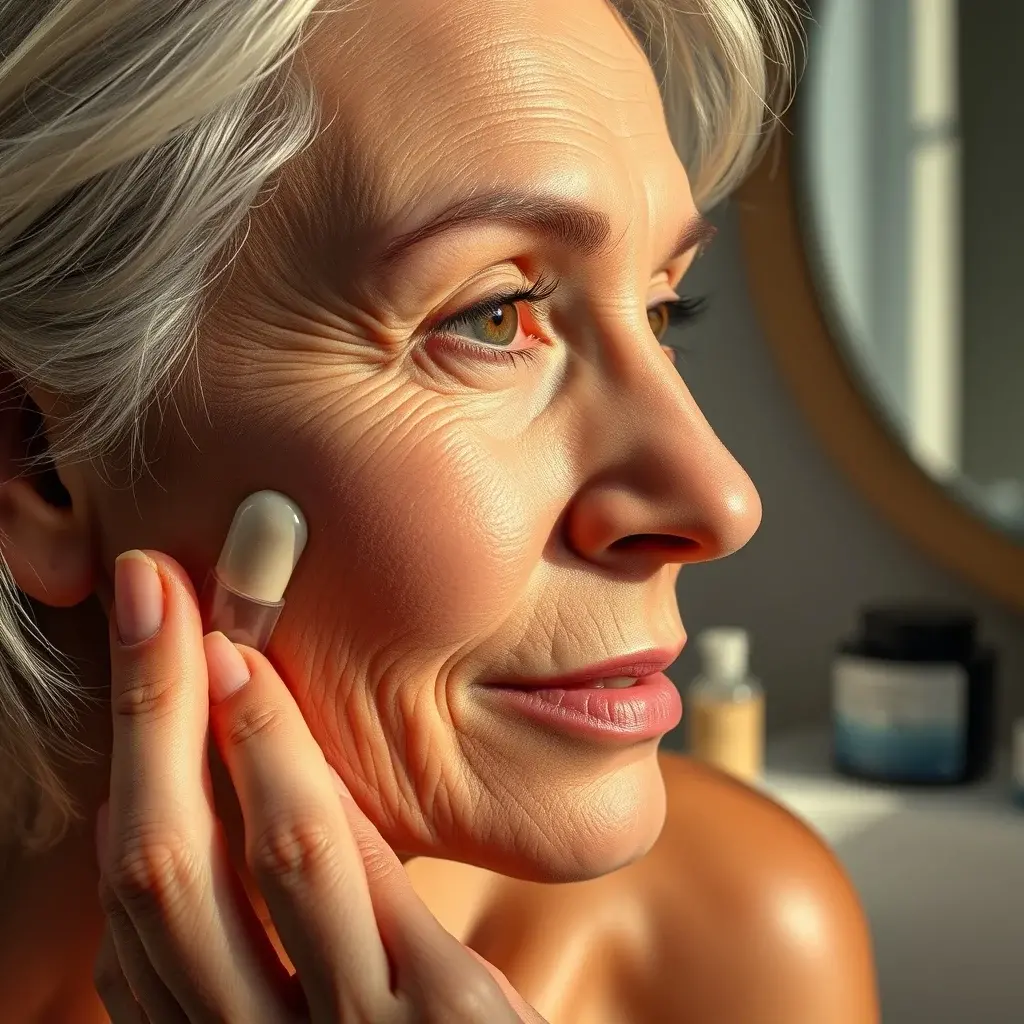
As skin matures, it often loses its ability to retain moisture and protect itself from environmental stressors. The result? Fine lines, dullness, and sensitivity that can feel impossible to manage. The good news is that a mature skin ingredients guide focused on strengthening the skin’s barrier can transform your complexion—without overwhelming your routine or your budget. The key lies in choosing the right ingredients that work in harmony to restore resilience and radiance.
Why a Barrier-First Approach Matters
Your skin’s barrier is its first line of defense against pollution, UV damage, and moisture loss. When it’s compromised, even the most expensive serums won’t deliver results. A barrier-first strategy prioritizes ingredients that repair and maintain this protective layer, ensuring your skin stays hydrated, plump, and less prone to irritation. Think of it as laying a strong foundation before adding decorative touches.
This approach is especially effective for mature skin because it addresses the root cause of many aging concerns: a weakened moisture barrier. Instead of chasing quick fixes, you’ll focus on long-term health, which translates to fewer breakouts, less redness, and a smoother texture over time.
Essential Ingredients for Barrier Repair
Not all skincare ingredients are created equal when it comes to barrier support. Look for these powerhouses in your products:
Ceramides are lipids that make up over 50% of your skin’s barrier. They lock in moisture and prevent water loss, making them a non-negotiable for mature skin. Products containing ceramides help restore the skin’s natural protective shield, reducing dryness and flakiness.
Cholesterol works alongside ceramides to maintain barrier function. It’s often overlooked but plays a critical role in keeping skin soft and supple. When combined with ceramides and fatty acids, it creates a trifecta that mimics the skin’s natural lipid structure.
Fatty acids, like omega-3 and omega-6, reinforce the skin’s barrier by filling in gaps between cells. They’re particularly beneficial for those with dry or sensitive skin, as they help reduce inflammation and improve elasticity.
How to Layer Barrier-Supporting Ingredients
Layering your skincare correctly ensures that barrier-repairing ingredients penetrate deeply and work effectively. Start with a gentle cleanser that doesn’t strip your skin of its natural oils. Follow with a hydrating toner or essence to prep your skin for the next steps.
Next, apply a serum or treatment containing ceramides, cholesterol, or fatty acids. These ingredients are lightweight and absorb quickly, making them ideal for layering. Finish with a moisturizer that seals in all the goodness, and don’t forget sunscreen during the day to protect your newly strengthened barrier from UV damage.
If you’re using active ingredients like retinoids or exfoliants, apply them after your barrier-repairing products to minimize irritation. This way, your skin gets the benefits of both without compromising its protective layer.
Ingredients to Avoid for Mature Skin
While some ingredients are beneficial, others can weaken your skin’s barrier and exacerbate aging concerns. Alcohol-based products, for example, can dry out your skin and strip it of its natural oils. Similarly, harsh physical scrubs can cause micro-tears, leading to inflammation and sensitivity.
Fragrances and essential oils might smell nice, but they can irritate mature skin, especially if it’s already compromised. Opt for fragrance-free products whenever possible, and patch-test new products to avoid adverse reactions.
Over-exfoliating is another common mistake. While exfoliation is important for removing dead skin cells, doing it too often can damage your barrier. Stick to gentle exfoliants like lactic acid or mandelic acid, and limit use to 1-2 times per week.
Building a Simple, Effective Routine
You don’t need a 10-step routine to see results. A simple, barrier-focused regimen can be just as effective. Start with a cleanser, followed by a hydrating serum, and finish with a moisturizer. At night, swap your serum for a richer treatment, like a ceramide-infused cream, to support overnight repair.
Consistency is key. Give your skin time to adjust to new products, and don’t expect overnight miracles. Most barrier-repairing ingredients take at least 4-6 weeks to show visible improvements, so patience is essential.
If you’re unsure where to start, look for products labeled “barrier repair” or “for sensitive skin.” These are often formulated with the right balance of ceramides, cholesterol, and fatty acids to support your skin’s natural defenses.
Final Tips for Long-Term Success
Protecting your skin’s barrier isn’t just about the products you use—it’s also about your lifestyle. Drink plenty of water to keep your skin hydrated from within, and eat a balanced diet rich in healthy fats, like avocados and nuts. These foods provide the building blocks your skin needs to maintain its barrier.
Stress and lack of sleep can also weaken your skin’s defenses, so prioritize self-care. Even small changes, like getting an extra hour of sleep or practicing deep breathing, can make a big difference in your skin’s appearance.
Your skin is unique, and what works for someone else might not work for you. Pay attention to how your skin responds to different ingredients, and adjust your routine as needed. With the right approach, you can achieve a stronger, healthier barrier that keeps your skin looking youthful and radiant for years to come. If you’re ready to take the next step, explore products that prioritize barrier repair and start your journey to lasting hydration today.
For more information on skincare ingredients, visit the American Academy of Dermatology.