
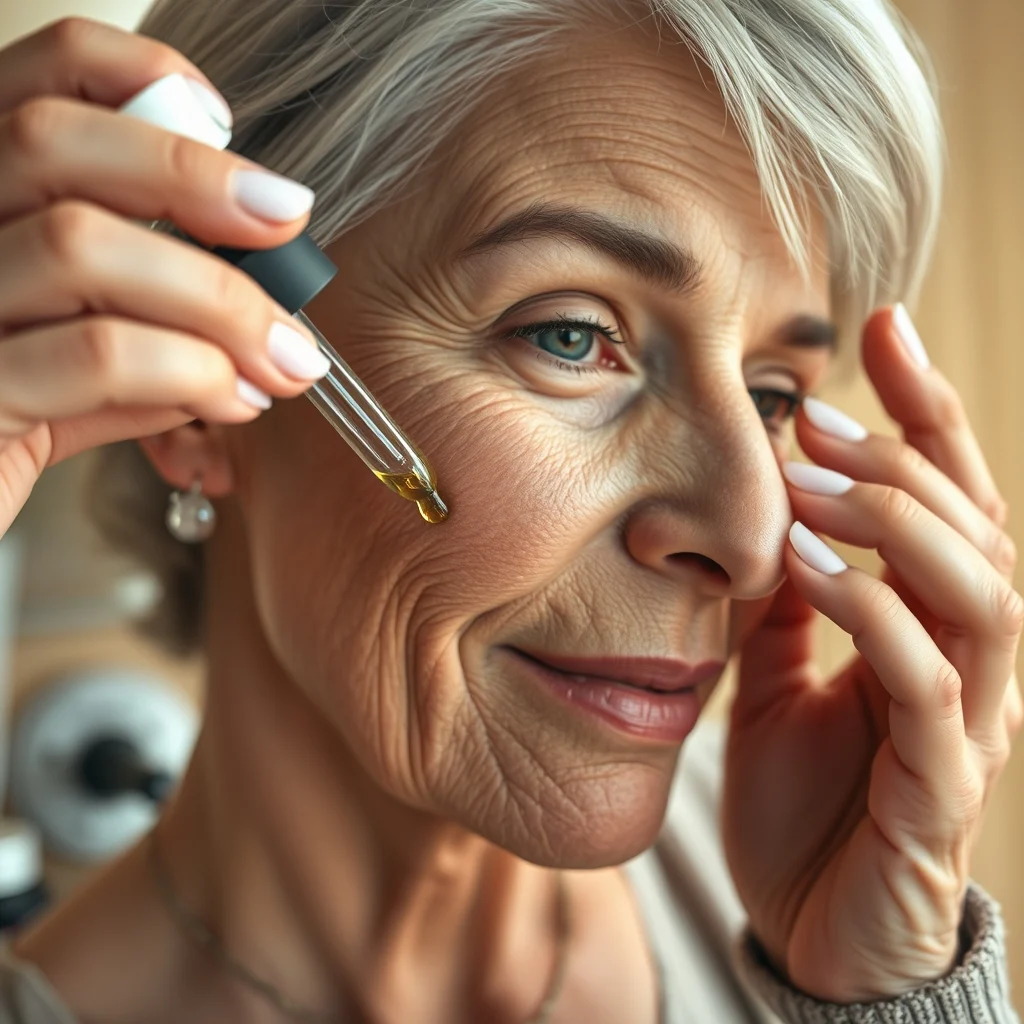
As skin matures, it craves more than just hydration—it needs a thoughtful, barrier-first approach to maintain resilience and glow. The wrong ingredients can strip natural defenses, leaving skin dull, sensitive, or prone to irritation. But with the right blend of nourishing actives, you can support your skin’s natural repair processes without overwhelming it. This guide simplifies the science of mature skin care, focusing on ingredients that strengthen rather than stress.
Why a Barrier-First Strategy Matters
The skin barrier is your first line of defense against environmental aggressors like pollution and UV rays. As we age, this barrier weakens, leading to moisture loss and increased sensitivity. A barrier-first approach prioritizes ingredients that reinforce this protective layer, rather than stripping it with harsh actives. Think of it as fortifying your skin’s foundation before adding decorative layers.
Ingredients like ceramides and cholesterol mimic the skin’s natural lipids, helping to lock in moisture and prevent transepidermal water loss. This isn’t just about hydration—it’s about creating a stable environment where skin can thrive long-term. When the barrier is intact, other actives (like peptides or antioxidants) can work more effectively without causing irritation.
Ceramides: The Building Blocks of Resilient Skin
Ceramides are the glue that holds skin cells together, making them essential for mature skin. They decline naturally with age, which is why replenishing them is a non-negotiable step in any barrier-first routine. Look for products with ceramide NP, AP, or EOP—these are the most effective at restoring lipid balance.
Pair ceramides with fatty acids like linoleic acid to enhance their benefits. This combination not only strengthens the barrier but also soothes inflammation, making it ideal for sensitive or reactive skin. If your skin feels tight or looks flaky, ceramides can help restore its natural suppleness within weeks.
Cholesterol and Fatty Acids: The Unsung Heroes
Cholesterol might sound like an odd skincare ingredient, but it’s a key player in maintaining barrier function. Alongside fatty acids, it helps repair damage and improve skin’s ability to retain moisture. These ingredients are especially beneficial for those with dry or sensitive skin, as they work gently without causing irritation.
Squalane is another fatty acid worth incorporating—it’s lightweight, non-comedogenic, and mimics the skin’s natural oils. Unlike heavier oils, squalane absorbs quickly, making it perfect for layering under serums or moisturizers. It’s a simple way to add nourishment without clogging pores or feeling greasy.
Peptides: The Gentle Powerhouses
Peptides are short chains of amino acids that signal the skin to produce more collagen and elastin. Unlike retinoids, which can be harsh on mature skin, peptides work subtly to improve firmness and reduce fine lines. They’re a great option for those who want anti-aging benefits without the irritation.
Matrixyl and copper peptides are two of the most researched types, known for their ability to boost skin’s structural integrity. When combined with barrier-repairing ingredients, peptides can enhance results without compromising skin health. This makes them a staple in any barrier-first approach.
Hyaluronic Acid: Hydration Without Overload
Hyaluronic acid is a humectant, meaning it draws moisture into the skin. While it’s a popular ingredient, it’s important to use it correctly in a barrier-first routine. Too much hyaluronic acid without a strong barrier can lead to dehydration, as the moisture it attracts evaporates quickly.
To avoid this, pair hyaluronic acid with occlusive ingredients like shea butter or beeswax. This locks in the moisture it attracts, ensuring long-lasting hydration. For mature skin, opt for low-molecular-weight hyaluronic acid—it penetrates deeper and provides more sustained benefits.
Simplifying Your Routine for Maximum Impact
A barrier-first approach doesn’t require a 10-step routine. In fact, simplicity is key to avoiding overloading your skin. Start with a gentle cleanser, followed by a ceramide-rich serum or moisturizer. Add a peptide-based product if you’re targeting fine lines, and finish with a lightweight occlusive to seal everything in.
Listen to your skin—if it feels tight or looks red, scale back and focus on repairing the barrier before introducing new actives. Consistency is more important than complexity, and a well-supported barrier will reward you with a healthier, more radiant complexion over time.
Your skin’s needs evolve, but its foundation remains the same. By prioritizing ingredients that strengthen rather than stress, you’re not just addressing signs of aging—you’re future-proofing your skin for years to come. Start small, stay consistent, and let your skin’s natural resilience shine through.