
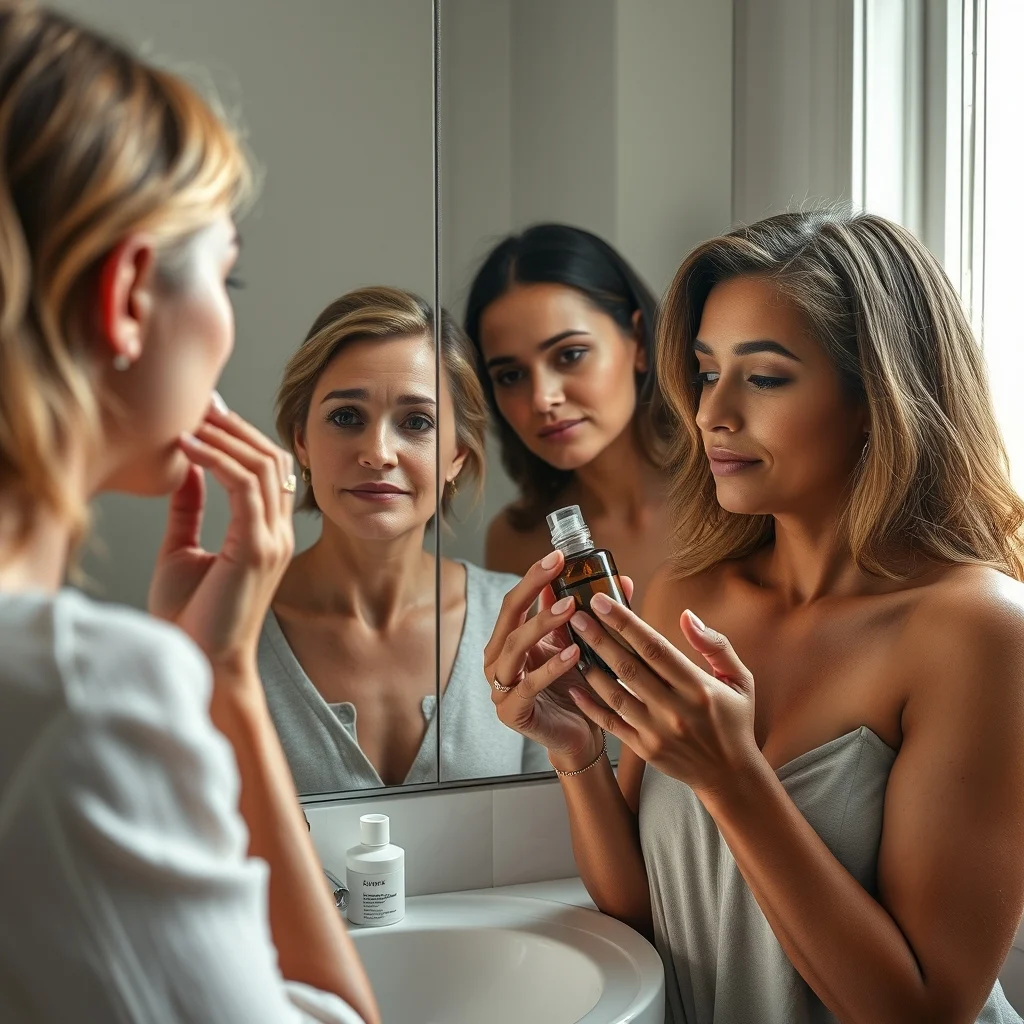
Skin changes after forty are not merely cosmetic concerns but a complex interplay of biology, lifestyle, and environmental factors. As collagen production declines by approximately 1% annually after the age of 20, women and men in their forties and beyond face a distinct set of dermatological challenges, including reduced elasticity, deeper wrinkles, and a compromised moisture barrier. Skincare over forty has evolved from a niche market into a multi-billion-dollar industry, driven by advancements in dermatological research and a growing demand for evidence-based solutions. This shift reflects broader societal changes, including increased life expectancy, greater awareness of preventive health, and the destigmatization of aging.
The current landscape of mature skin care is defined by three key trends: the rise of medical-grade topicals, the integration of nutraceuticals, and the adoption of personalized skincare regimens. According to a 2023 report by Grand View Research, the global anti-aging market is projected to reach $83.2 billion by 2027, with skincare over forty accounting for nearly 40% of the segment. These developments are not uniform; regional disparities in access, cultural beauty standards, and regulatory frameworks shape how individuals approach aging. For instance, while retinol-based products dominate Western markets, Asian skincare routines emphasize hydration and barrier repair, reflecting differing priorities in mature skin care.
The Biological and Environmental Foundations of Mature Skin
Mature skin undergoes structural and functional changes that extend beyond superficial aging. By the age of 40, the epidermis thins by 10-15%, reducing its ability to retain moisture and protect against environmental stressors. Concurrently, sebaceous gland activity decreases, leading to dryness and a dull complexion. These changes are compounded by extrinsic factors such as UV exposure, pollution, and lifestyle habits like smoking or poor diet, which accelerate oxidative stress and inflammation.
Dr. Patricia Farris, a board-certified dermatologist and clinical associate professor at Tulane University, explains the physiological shifts: “After forty, the skin’s natural repair mechanisms slow down. We see a decline in hyaluronic acid production, which is critical for hydration, and a reduction in fibroblast activity, which affects collagen and elastin synthesis. These changes are inevitable, but their progression can be modulated through targeted interventions.”
A 2022 study published in the Journal of Investigative Dermatology found that individuals who adopted a consistent skincare routine incorporating antioxidants, retinoids, and sunscreen experienced a 30% improvement in skin elasticity over 12 months compared to those who did not. The study also highlighted the role of perimenopause and menopause in exacerbating skin aging, noting that hormonal fluctuations can lead to a 30% reduction in collagen levels within the first five years of menopause.
Historical Evolution of Skincare Over Forty
The approach to mature skin care has undergone significant transformations over the past century. In the early 1900s, aging was often viewed as an inevitable decline, with few scientific interventions available. The mid-20th century saw the introduction of basic moisturizers and cold creams, which provided temporary relief but lacked long-term efficacy. The 1980s marked a turning point with the FDA approval of tretinoin (Retin-A) for photoaging, establishing retinoids as the gold standard in anti-aging skincare.
- 1920s-1940s: Emphasis on hydration and barrier protection, with products like Pond’s Cold Cream dominating the market.
- 1950s-1970s: Introduction of alpha hydroxy acids (AHAs) and early sunscreens, though formulations were often harsh and irritating.
- 1980s-1990s: Retinoids enter the mainstream, and the first peptide-based serums are developed, targeting collagen stimulation.
- 2000s-2010s: Rise of medical-grade skincare, with brands like SkinCeuticals and Obagi leading the charge in evidence-based formulations.
- 2020s-Present: Integration of AI-driven diagnostics, microbiome-friendly products, and nutraceuticals, alongside a focus on sustainability and inclusivity in skincare.
This evolution reflects broader advancements in dermatological science, as well as shifting consumer expectations. Today, skincare over forty is no longer about reversing aging but about enhancing skin resilience and maintaining functionality.
The Mechanics of Modern Mature Skin Care
Contemporary skincare routines for mature skin are built on three pillars: prevention, protection, and repair. Prevention focuses on minimizing future damage through lifestyle modifications, such as smoking cessation, dietary adjustments, and consistent sun protection. Protection involves shielding the skin from environmental aggressors, while repair targets existing damage through active ingredients and professional treatments.
Key ingredients in modern mature skin care include:
| Ingredient | Function | Evidence |
|---|---|---|
| Retinoids | Stimulate collagen production, reduce fine lines, and improve skin texture | A 2019 meta-analysis in Dermatologic Surgery found retinoids improved wrinkles in 70% of participants over 12 weeks. |
| Hyaluronic Acid | Hydrate and plump the skin by attracting and retaining moisture | A 2021 study in Skin Pharmacology and Physiology showed a 96% improvement in skin hydration after 8 weeks of use. |
| Vitamin C | Brighten skin, reduce hyperpigmentation, and protect against oxidative stress | Research in the Journal of Clinical and Aesthetic Dermatology (2020) demonstrated a 52% reduction in dark spots after 12 weeks. |
| Peptides | Signal fibroblasts to produce collagen and elastin | A 2022 study in International Journal of Cosmetic Science reported a 35% increase in skin firmness after 6 months of use. |
| Ceramides | Restore the skin barrier and prevent moisture loss | Clinical trials published in Journal of Drugs in Dermatology (2021) showed a 40% reduction in transepidermal water loss after 4 weeks. |
Professional treatments, such as laser therapy, microneedling, and chemical peels, complement topical regimens by addressing deeper layers of the skin. A 2023 survey by the American Society for Dermatologic Surgery found that 68% of dermatologists recommend combining in-office procedures with at-home skincare for optimal results in patients over 40.
Quantitative Insights: Market Trends and Consumer Behavior
The skincare over forty market is characterized by rapid innovation and shifting consumer preferences. Data from NielsenIQ reveals that sales of anti-aging products grew by 12% in 2022, outpacing the overall beauty market. Hydration-focused products, such as hyaluronic acid serums, saw a 25% increase in sales, while collagen-boosting supplements grew by 18%.
Consumer behavior varies significantly by age group and region:
| Demographic | Top Concerns | Preferred Products | Spending Habits |
|---|---|---|---|
| 40-50 (Perimenopausal) | Hydration, elasticity, hormonal acne | Hyaluronic acid, niacinamide, adaptogenic skincare | Willing to invest in medical-grade products; average spend: $150/month |
| 50-60 (Postmenopausal) | Deep wrinkles, sagging, barrier repair | Retinoids, peptides, ceramides, growth factors | Prioritize efficacy over price; average spend: $200/month |
| 60+ | Dryness, sensitivity, sun damage | Gentle cleansers, barrier creams, mineral sunscreens | Prefer established brands; average spend: $100/month |
Geographically, the Asia-Pacific region leads in skincare innovation, with South Korea and Japan pioneering products that emphasize hydration and barrier repair. In contrast, North American consumers prioritize retinoids and professional treatments, while European markets favor minimalist, science-backed formulations. These differences underscore the need for region-specific skincare strategies.
Dr. Anjali Mahto, a consultant dermatologist and author of The Skincare Bible, notes the global shift: “There’s a growing recognition that skincare over forty isn’t one-size-fits-all. Cultural attitudes toward aging, environmental factors, and genetic predispositions all play a role in how individuals approach mature skin care. The industry is moving toward more personalized solutions, but accessibility remains a challenge.”
Systemic Impacts: Health, Economics, and Societal Perceptions
The implications of skincare over forty extend beyond individual aesthetics, influencing public health, economic productivity, and societal attitudes toward aging. A 2022 report by the World Health Organization highlighted the link between skin health and overall well-being, noting that chronic skin conditions in older adults can lead to depression, social isolation, and reduced quality of life. The report estimated that untreated skin aging contributes to a 15% increase in healthcare costs among adults over 50 due to complications like infections and chronic wounds.
Economically, the mature skincare market supports millions of jobs worldwide, from research and development to retail and professional services. In the U.S. alone, the dermatology industry generates over $15 billion annually, with skincare over forty accounting for a significant portion of this revenue. However, disparities in access persist, with low-income individuals and those in rural areas facing barriers to high-quality products and professional care.
Societal perceptions of aging have also evolved, driven in part by the skincare industry’s messaging. While campaigns promoting “ageless beauty” have destigmatized aging to some extent, they have also perpetuated unrealistic standards. A 2023 study by the Journal of Aging Studies found that 60% of women over 40 feel pressure to maintain a youthful appearance, with 40% reporting anxiety about visible signs of aging. This tension highlights the need for a more nuanced conversation about mature skin care—one that balances self-care with self-acceptance.
Stakeholder Perspectives: Conflicting Priorities and Shared Goals
The skincare over forty ecosystem involves a diverse range of stakeholders, each with distinct priorities and perspectives. Dermatologists and researchers advocate for evidence-based solutions, emphasizing the importance of clinical trials and long-term safety data. Industry leaders, meanwhile, focus on innovation and market growth, often prioritizing consumer demand over scientific rigor. Consumers, particularly those in their forties and fifties, seek products that deliver visible results while aligning with their values, such as sustainability and inclusivity.
Dr. Joshua Zeichner, director of cosmetic and clinical research in dermatology at Mount Sinai Hospital, emphasizes the role of education: “The biggest challenge in skincare over forty is misinformation. Many consumers are bombarded with marketing claims that aren’t backed by science. Our role as dermatologists is to cut through the noise and provide clear, actionable guidance.”
Industry stakeholders, such as beauty brands and retailers, face pressure to balance profitability with ethical responsibility. The rise of “clean beauty” has led to increased scrutiny of ingredient safety, with consumers demanding transparency about formulations. However, the lack of standardized regulations for terms like “natural” or “non-toxic” creates confusion. A 2023 survey by the Environmental Working Group found that 70% of consumers over 40 are unsure whether the products they use are safe, highlighting the need for clearer labeling and education.
Consumer advocates and non-profit organizations, such as the American Academy of Dermatology (AAD) and the Skin Cancer Foundation, play a critical role in promoting skin health literacy. The AAD’s Skin Care for Your Life Stage initiative provides free resources on mature skin care, including tips on sun protection, hydration, and ingredient selection. These efforts aim to empower individuals to make informed decisions about their skincare routines.
Despite these initiatives, challenges remain. The proliferation of social media influencers and unregulated online marketplaces has made it difficult for consumers to distinguish between credible advice and marketing hype. A 2023 report by the Federal Trade Commission found that 40% of anti-aging product claims on social media lacked scientific substantiation, underscoring the need for stricter oversight.
Looking ahead, the skincare over forty landscape will be shaped by several key factors. Regulatory changes, such as the FDA’s proposed updates to over-the-counter drug monographs for sunscreens and retinoids, could impact product availability and marketing claims. Technological advancements, including AI-driven skin analysis tools and microbiome-based skincare, are poised to revolutionize personalized care. Additionally, the growing emphasis on sustainability may lead to more eco-friendly formulations and packaging, addressing consumer demand for responsible beauty.
The intersection of these trends will determine how individuals approach mature skin care in the coming decade. While the industry continues to evolve, one principle remains constant: skincare over forty is not about defying aging but about nurturing the skin’s resilience and functionality. By combining evidence-based solutions with a holistic approach to health, individuals can achieve a radiant, healthy complexion that reflects their unique journey through life.
You may also like
-
Resveratrol in Age Defense: A Multidimensional Analysis of Antioxidant Science, Mechanisms, and Industry Evolution
-
The Comprehensive Science of Mature Skin Resilience: A Multidimensional Examination of Skincare Over Forty, Biological Adaptations, and Evidence-Based Innovations
-
The Strategic Framework of Mature Skin Resilience: A 360-Degree Examination of Skincare Over Forty, Biological Adaptations, and Evidence-Based Innovations
-
The Comprehensive Analysis of Individualistic Age Well Beauty: Autonomy, Confidence, and the Modern Reinterpretation of Aging
-
Sustainable Fashion: The Not-So-Trendy Truth Behind Eco-Friendly Couture