
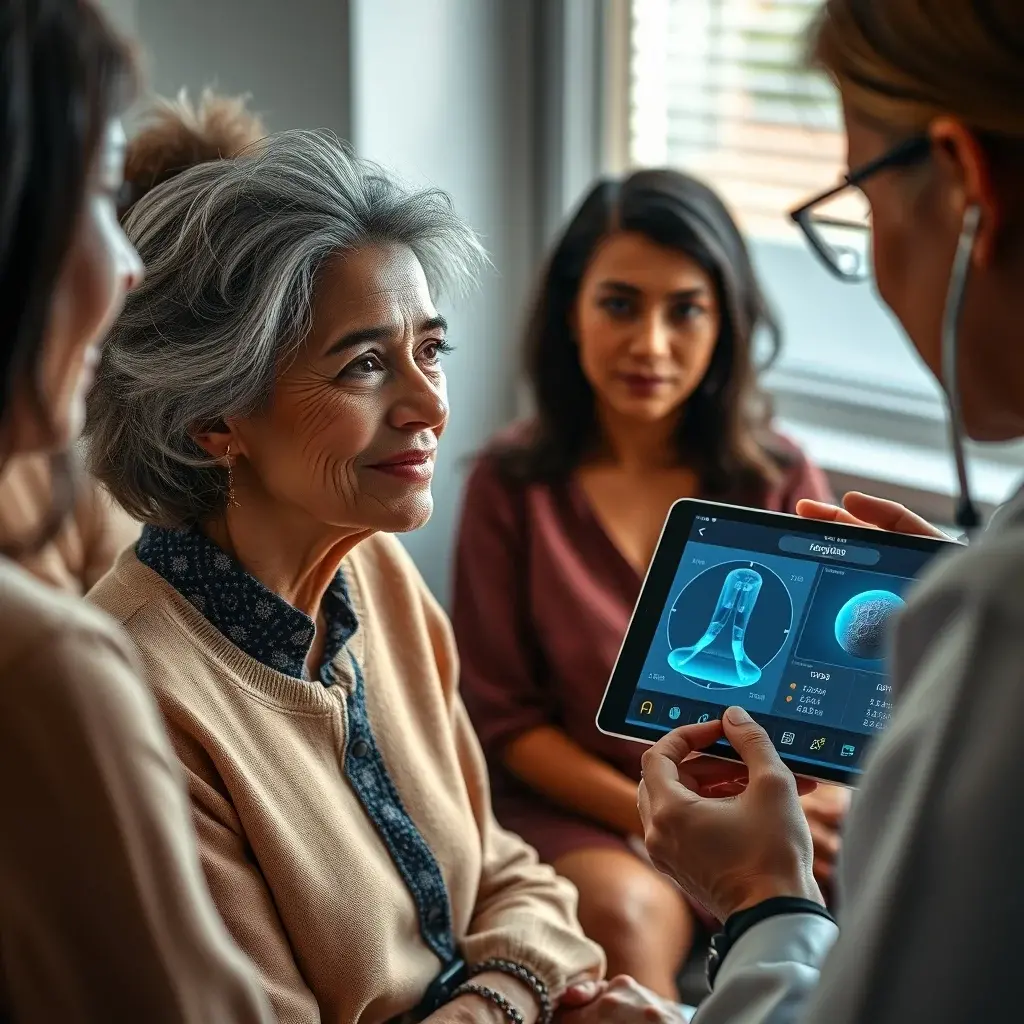
Skin changes after forty are not merely a cosmetic concern but a physiological reality shaped by hormonal shifts, environmental exposure, and cellular aging. For millions of women navigating perimenopause, menopause, or simply the cumulative effects of time, skincare over forty has evolved from a routine into a strategic, science-backed practice. The global market for mature skin solutions is projected to reach $5.2 billion by 2027, driven by demand for products addressing hydration, collagen depletion, and elasticity loss. Yet, the path to mature skin radiance is far from uniform—it requires a nuanced understanding of individual needs, ingredient efficacy, and the interplay between lifestyle and topical treatments.
Executive Summary: The Who, What, When, Where, Why, and How of Mature Skin Care
Who is affected? Women over forty, particularly those experiencing hormonal transitions like perimenopause or menopause, alongside men and individuals with long-term sun exposure or genetic predispositions to premature aging. What defines the challenge? Declining collagen production (which drops by 1% annually after age 20), reduced skin barrier function, and increased susceptibility to dryness, fine lines, and sagging. When do these changes accelerate? Typically between ages 40 and 55, coinciding with hormonal fluctuations, though environmental factors like UV exposure and pollution can hasten the process. Where are solutions most urgently sought? In regions with high UV indexes, such as Australia and the southern United States, as well as urban areas with elevated pollution levels. Why does this matter? Beyond aesthetics, compromised skin health can lead to heightened sensitivity, increased infection risk, and diminished quality of life. How are individuals responding? Through a combination of medical-grade skincare, professional treatments like laser therapy, and lifestyle adjustments, including diet and stress management.
The Historical Context: From Ancient Rituals to Modern Science
The pursuit of ageless beauty is not new. Ancient Egyptians used castor oil and honey for hydration, while 18th-century European women relied on lead-based cosmetics—often with toxic consequences. The 20th century marked a turning point with the advent of retinoids in the 1970s, initially developed to treat acne but later recognized for their anti-aging properties. Key milestones in pro-aging beauty rituals include:
- 1980s: Introduction of alpha hydroxy acids (AHAs) for exfoliation, derived from natural sources like milk and fruit.
- 1990s: FDA approval of tretinoin (Retin-A) for photoaging, revolutionizing topical anti-aging treatments.
- 2000s: Rise of hyaluronic acid fillers and botulinum toxin (Botox) for wrinkle reduction, shifting the focus to injectable solutions.
- 2010s: Emergence of peptides and growth factors in skincare, targeting collagen synthesis at a cellular level.
- 2020s: Integration of AI-driven diagnostics and personalized skincare, alongside a resurgence of interest in barrier repair for mature skin.
Today, the skincare industry for mature skin is a blend of ancient wisdom and cutting-edge technology, with a growing emphasis on hydration for mature skin and elasticity-restoring rituals.
The Mechanics of Mature Skin: How Aging Alters Structure and Function
Skin aging is a multifaceted process influenced by intrinsic (genetic, hormonal) and extrinsic (environmental) factors. At a cellular level, key changes include:
- Collagen and Elastin Degradation: Fibroblasts, the cells responsible for producing collagen and elastin, become less active with age. By age 40, collagen levels drop by 30%, leading to thinner, less resilient skin. Collagen boost over forty products, such as those containing vitamin C or peptides, aim to stimulate fibroblast activity.
- Reduced Hyaluronic Acid: Hyaluronic acid, which holds up to 1,000 times its weight in water, diminishes with age, contributing to dryness and loss of plumpness. Topical hyaluronic acid serums and dermal fillers are common interventions.
- Slower Cell Turnover: The skin’s natural exfoliation process slows, leading to a dull complexion. Chemical exfoliants like glycolic acid or retinol for mature skin can accelerate cell renewal.
- Compromised Barrier Function: The lipid barrier weakens, increasing transepidermal water loss (TEWL) and sensitivity. Ceramide-rich moisturizers and barrier repair for mature skin formulations help restore protection.
Dr. Ava Shamban, a board-certified dermatologist and founder of SKIN FIVE, explains: “Mature skin requires a multi-pronged approach. It’s not just about adding moisture; it’s about repairing the skin’s architecture. Ingredients like niacinamide and ceramides work synergistically to strengthen the barrier, while retinoids and peptides rebuild collagen. The key is consistency and layering the right actives.”
Quantitative Data: Market Trends and Efficacy Metrics
The demand for skincare over forty is reflected in both consumer behavior and clinical research. Below are key statistics and efficacy data:
| Metric | Data Point | Source |
|---|---|---|
| Global Anti-Aging Market Growth | CAGR of 6.5% (2023-2030), reaching $83.2 billion by 2030 | Grand View Research |
| Collagen Peptide Supplementation | 38% reduction in wrinkle depth after 12 weeks (oral collagen peptides) | Journal of Cosmetic Dermatology |
| Retinol Efficacy | 20% improvement in fine lines after 12 weeks of 0.3% retinol use | Journal of Drugs in Dermatology |
| Hyaluronic Acid Fillers | 90% patient satisfaction rate for volume restoration (12-month follow-up) | Dermatologic Surgery |
| Consumer Spending on Skincare | Women over 40 spend 40% more on skincare than those under 30 | NPD Group |
Despite these advancements, challenges remain. A 2022 study published in Clinical, Cosmetic and Investigational Dermatology found that 65% of women over 40 use at least three anti-aging products daily, yet only 22% report satisfaction with their results. The gap highlights the need for personalized, evidence-based regimens.
Systemic Impacts: Beyond the Surface
The implications of mature skin radiance extend beyond aesthetics. Skin health is intrinsically linked to overall well-being, with systemic connections to:
- Mental Health: A 2021 study in JAMA Dermatology found that women with visible signs of aging reported higher levels of anxiety and lower self-esteem. The psychological burden of skin changes can affect social interactions and professional confidence.
- Hormonal Health: Perimenopause and menopause trigger a decline in estrogen, which accelerates collagen loss and skin thinning. Perimenopause skin support products often include phytoestrogens or adaptogens like ashwagandha to mitigate these effects.
- Chronic Disease: Conditions like diabetes and autoimmune disorders can exacerbate skin aging. For example, diabetic patients are more prone to dryness and delayed wound healing, necessitating specialized nourishing mature skin care.
- Economic Factors: The cost of professional treatments (e.g., laser therapy, microneedling) can be prohibitive, leading to disparities in access. A 2023 report by the American Society of Plastic Surgeons noted that 45% of women over 40 cite cost as a barrier to advanced skincare.
Dr. Jeanette Graf, a dermatologist and assistant clinical professor at Mount Sinai School of Medicine, emphasizes the holistic nature of skin health: “We can’t treat mature skin in isolation. Hormonal balance, nutrition, sleep, and stress management all play a role. For instance, chronic stress elevates cortisol, which breaks down collagen. A midlife glow skincare routine must address these interconnected factors.”
Stakeholder Perspectives: Conflicting Priorities and Shared Goals
The skincare over forty landscape is shaped by diverse stakeholders, each with distinct priorities:
- Consumers: Seek efficacy, affordability, and transparency. A 2023 survey by Allure magazine revealed that 78% of women over 40 prioritize products with clinical backing, yet 60% are confused by conflicting marketing claims. “I want to see real results, not just pretty packaging,” says Maria Lopez, a 48-year-old marketing executive. “But with so many options, it’s overwhelming.”
- Dermatologists: Advocate for evidence-based treatments and caution against overuse of trendy ingredients. “The biggest mistake I see is patients layering too many actives, which can compromise the skin barrier,” notes Dr. Shamban. “Less is often more.”
- Skincare Brands: Balance innovation with profitability. Companies like SkinCeuticals and Drunk Elephant invest heavily in R&D, while smaller brands focus on niche markets, such as menopause skincare essentials. “Our goal is to democratize access to medical-grade skincare,” says Tiffany Masterson, founder of Drunk Elephant. “But we also have to educate consumers on how to use these products safely.”
- Regulators: The FDA and international bodies like the EU’s Scientific Committee on Consumer Safety (SCCS) monitor ingredient safety. In 2022, the FDA issued warnings about unregulated peptides and stem cell-derived products, citing lack of evidence. “Our priority is consumer safety,” says an FDA spokesperson. “We urge caution with products making unproven anti-aging claims.”
- Researchers: Focus on long-term efficacy and safety. A 2023 study in Nature Aging highlighted the potential of senolytic drugs—compounds that clear senescent cells—to reverse skin aging. “This is a game-changer,” says Dr. Judith Campisi, a professor at the Buck Institute for Research on Aging. “But it’s still early days.”
Emerging Solutions and Pending Variables
The future of skincare over forty is poised for transformation, with several trends and unresolved questions shaping the landscape:
- Personalized Skincare: AI-driven platforms like Curology and Proven Skincare use algorithms to tailor routines based on genetics, lifestyle, and environmental factors. A 2023 study in Journal of Cosmetic Science found that personalized regimens improved skin hydration by 35% compared to generic routines.
- Bioengineered Ingredients: Lab-grown collagen and fermented actives are gaining traction. Companies like Amyris and Geltor are developing sustainable, bioidentical alternatives to animal-derived ingredients.
- Hormone-Replacement Therapy (HRT): While HRT can improve skin thickness and hydration, its use remains controversial due to potential risks like breast cancer. The North American Menopause Society (NAMS) recommends individualized assessments to weigh benefits and risks.
- Regulatory Shifts: The FDA’s Modernization of Cosmetics Regulation Act (MoCRA), enacted in 2022, mandates stricter reporting of adverse events and ingredient transparency. This could reshape the industry by holding brands accountable for efficacy claims.
- Sustainability: Consumers are increasingly demanding eco-friendly packaging and ethically sourced ingredients. A 2023 NielsenIQ report found that 62% of women over 40 prefer brands with sustainable practices.
The next decade will likely see a convergence of these trends, with a focus on ageless beauty routines that prioritize both efficacy and sustainability. However, challenges remain, including the need for long-term clinical data on emerging ingredients and the ethical implications of AI-driven personalization. As the market evolves, the most successful approaches will be those that balance innovation with accessibility, ensuring that mature skin radiance
is not a privilege but a possibility for all. For those navigating this complex terrain, the path forward begins with education. Understanding the science behind ingredients, the role of lifestyle factors, and the importance of professional guidance can demystify the process. Whether through a firming serum for forty plus, a wrinkle-smoothing ritual, or a commitment to deep moisture for mature skin, the goal remains the same: to embrace aging not as a decline but as a new chapter of vitality and confidence.
You may also like
-
Resveratrol in Age Defense: A Multidimensional Analysis of Antioxidant Science, Mechanisms, and Industry Evolution
-
The Comprehensive Science of Mature Skin Resilience: A Multidimensional Examination of Skincare Over Forty, Biological Adaptations, and Evidence-Based Innovations
-
The Strategic Framework of Mature Skin Resilience: A 360-Degree Examination of Skincare Over Forty, Biological Adaptations, and Evidence-Based Innovations
-
The Comprehensive Analysis of Individualistic Age Well Beauty: Autonomy, Confidence, and the Modern Reinterpretation of Aging
-
Sustainable Fashion: The Not-So-Trendy Truth Behind Eco-Friendly Couture