
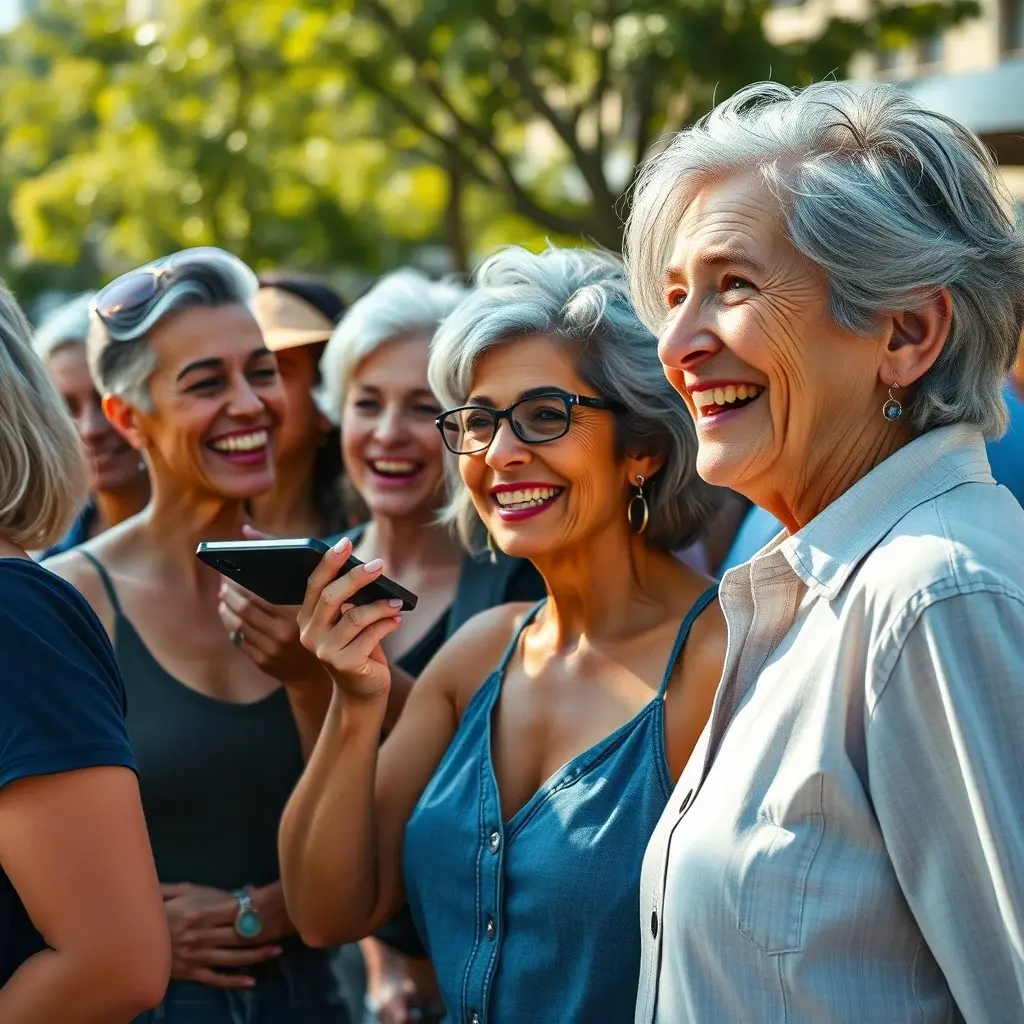
In 2024, the global conversation around aging and beauty has reached an inflection point, driven by demographic shifts, technological advancements, and evolving cultural norms. Over 1.1 billion people worldwide are now aged 60 or older, a figure projected to double by 2050, according to the United Nations World Population Prospects 2022. This demographic surge has catalyzed a reevaluation of traditional beauty standards, with mature individuals increasingly rejecting ageist stereotypes in favor of self-defined narratives of confidence and empowerment. The movement, often termed “pro-aging” or “unapologetic aging,” spans industries from cosmetics to fashion, healthcare, and digital media, reflecting a broader societal pivot toward inclusivity and individualism.
The phenomenon is not confined to any single region. In the United States, the 50-plus demographic controls 70% of disposable income, per a 2023 AARP report, while in Europe, brands like L’Oréal and Dove have launched campaigns explicitly targeting mature beauty, such as L’Oréal’s “Age Perfect” line and Dove’s “Pro-Age” initiative. Social media platforms, particularly Instagram and TikTok, have become battlegrounds for visibility, with hashtags like #SilverSisters and #GrayHairDontCare amassing billions of views. Yet, despite these strides, systemic barriers persist, including underrepresentation in advertising, limited product accessibility, and lingering societal biases that equate aging with decline rather than evolution.
The Historical Context: From Stigma to Empowerment
The modern pro-aging movement is rooted in decades of cultural and economic transformation. Historically, aging was framed through a lens of loss—of youth, relevance, and beauty. In the 1950s and 1960s, anti-aging products emerged as a niche market, with brands like Estée Lauder introducing the first “age-defying” skincare lines. By the 1980s, the beauty industry had fully embraced the anti-aging narrative, with procedures like Botox and facelifts gaining mainstream traction. However, this paradigm began to shift in the early 2000s, as feminist scholars and activists challenged the notion that aging was inherently negative.
- 1990s: The term “ageism” gained traction following the publication of Robert Butler’s seminal work, Aging and Mental Health (1995), which highlighted systemic discrimination against older adults. Concurrently, the beauty industry remained fixated on youth, with global anti-aging product sales reaching $130 billion by 2000.
- 2005-2010: The rise of digital media enabled grassroots movements to flourish. Blogs like The Wrinkle Room and Advanced Style (founded in 2008) showcased mature beauty, while campaigns like Dove’s “Real Beauty” (2004) began to challenge narrow beauty ideals.
- 2015-Present: The pro-aging movement gained institutional momentum. In 2018, Allure magazine banned the term “anti-aging” from its editorial content, and brands like Fenty Beauty and Glossier prioritized inclusive marketing. By 2023, the global market for “pro-aging” products—defined as skincare and cosmetics that celebrate rather than erase signs of aging—was valued at $18.2 billion, per Grand View Research.
Operational Mechanics: How the Pro-Aging Movement Functions
The pro-aging movement operates across three primary domains: consumer behavior, corporate strategy, and cultural production. At the consumer level, individuals are adopting rituals that prioritize self-care over youth preservation. A 2023 survey by Mintel found that 62% of women over 50 prefer skincare products that enhance natural features rather than conceal them, while 45% have embraced their gray hair, up from 28% in 2018. This shift is reflected in purchasing patterns, with sales of hair dyes declining by 12% between 2019 and 2023, per NielsenIQ.
Corporations have responded by rebranding aging as a lifestyle rather than a problem to solve. For example, Procter & Gamble’s “Always Like a Girl” campaign (2014) and Unilever’s “Positive Beauty” initiative (2021) reframed aging as a source of strength. Meanwhile, the fashion industry has seen a surge in mature models, with icons like Maye Musk and Lauren Hutton becoming brand ambassadors for companies like CoverGirl and Calvin Klein. In 2022, the Council of Fashion Designers of America (CFDA) launched a diversity initiative that explicitly included age as a metric, mandating that 20% of models in New York Fashion Week be over 50 by 2025.
Culturally, the movement is driven by digital communities that amplify diverse representations of aging. Platforms like Instagram and TikTok host accounts such as @grayandgorgeous and @silverfoxden, which collectively boast over 5 million followers. These spaces foster dialogue around topics like “confident silver foxes” and “unapologetic aging beauty,” while also providing a counter-narrative to traditional media portrayals. A 2023 study by the Geena Davis Institute on Gender in Media found that only 5% of advertisements featured people over 50, despite this demographic representing 35% of the global population.
Quantitative Data: Measuring the Impact of Pro-Aging
The economic and social impact of the pro-aging movement is quantifiable across multiple metrics. Below is a comparative analysis of key indicators:
| Metric | 2018 | 2023 | Change |
|---|---|---|---|
| Global pro-aging product market value | $12.4 billion | $18.2 billion | +46.8% |
| Percentage of women over 50 embracing gray hair | 28% | 45% | +17 percentage points |
| Representation of models over 50 in fashion campaigns | 8% | 14% | +6 percentage points |
| Social media engagement with pro-aging content (monthly) | 1.2 billion views | 3.7 billion views | +208% |
| Consumer spending on anti-aging products (global) | $56.7 billion | $52.1 billion | -8.1% |
These figures underscore a broader cultural shift. A 2023 report by McKinsey & Company found that 78% of consumers now expect brands to take a stand on social issues, including ageism. This expectation has led to increased transparency in marketing, with brands like Olay and Neutrogena disclosing the age diversity of their models and spokespeople. However, challenges remain. A 2024 study by the World Health Organization (WHO) revealed that 60% of people over 60 still experience age-based discrimination in healthcare settings, highlighting the disconnect between cultural progress and systemic inequities.
Systemic Impacts: Beyond Beauty to Societal Change
The pro-aging movement extends beyond aesthetics, influencing policies, workplace dynamics, and healthcare paradigms. In 2021, the European Union adopted the Green Paper on Ageing, which called for policies to combat ageism and promote active aging. Similarly, in the United States, the Age Discrimination in Employment Act (ADEA) has seen renewed enforcement, with the Equal Employment Opportunity Commission (EEOC) reporting a 30% increase in age discrimination complaints since 2020.
In the workplace, the movement has catalyzed discussions around “timeless self-confidence” and professional relevance. A 2023 LinkedIn survey found that 55% of employees over 50 feel their age is an asset, citing experience and emotional intelligence as key strengths. However, 42% also reported experiencing age-related bias in hiring or promotions. Companies like IBM and Microsoft have responded by implementing “returnship” programs, designed to reintegrate older workers into the tech industry. Meanwhile, the healthcare sector is grappling with the implications of a pro-aging mindset. A 2024 study published in The Lancet found that individuals with positive attitudes toward aging live an average of 7.5 years longer than those with negative perceptions, underscoring the link between mindset and longevity.
Dr. Becca Levy, a professor of epidemiology at Yale University and author of Breaking the Age Code, notes, “The pro-aging movement is not just about beauty; it’s about dismantling the internalized ageism that affects health outcomes. When people embrace aging as a natural and valuable part of life, they adopt healthier behaviors and experience better mental health.”
Stakeholder Perspectives: Competing Narratives and Priorities
The pro-aging movement is not monolithic; it encompasses a spectrum of perspectives, each with distinct priorities and critiques. Below are key stakeholder viewpoints:
1. Industry Leaders: Cosmetics and fashion executives emphasize the economic potential of the pro-aging market. “Mature consumers are the fastest-growing demographic in beauty, and they demand authenticity,” says Sarah Jones, Global Marketing Director at Estée Lauder. “Brands that fail to adapt risk irrelevance.” However, critics argue that some companies engage in “pro-aging washing,” using inclusive marketing while continuing to sell products that perpetuate youth-centric ideals.
2. Activists and Advocates: Organizations like the Global Alliance for the Rights of Older People (GAROP) and the American Society on Aging (ASA) advocate for systemic change. “The pro-aging movement must move beyond individual empowerment to address structural ageism,” says Dr. Jane Barratt, Secretary-General of the International Federation on Ageing. “This includes policy reforms, workplace equity, and equitable access to healthcare.”
3. Consumers: Mature individuals express a range of attitudes toward the movement. While many embrace it as liberating, others feel pressured to conform to new standards of “confident aging.” “I don’t want to be told how to age,” says 62-year-old marketing consultant Linda Chen. “The movement is empowering, but it can also feel like another set of rules.” A 2023 survey by Pew Research Center found that 53% of adults over 50 believe society places too much emphasis on youth, while 38% feel the pro-aging movement has improved their self-perception.
4. Researchers: Academics offer a nuanced view, acknowledging progress while highlighting gaps. “The pro-aging movement has made significant strides in visibility, but we must interrogate who benefits,” says Dr. Ashton Applewhite, author of This Chair Rocks: A Manifesto Against Ageism. “Wealthy, white, and able-bodied individuals are overrepresented in these narratives, while marginalized groups remain invisible.”
The movement’s future hinges on its ability to reconcile these competing priorities. Upcoming regulatory milestones, such as the EU’s proposed ban on age-based discrimination in digital advertising (slated for 2025), and market catalysts, like the projected 20% growth in the pro-aging product sector by 2027, will shape its trajectory. Meanwhile, the rise of AI-driven beauty tools, which can alter appearances in real-time, presents both opportunities and challenges. While these technologies can enhance self-expression, they also risk reinforcing unrealistic standards if not deployed thoughtfully. As the movement evolves, its success will depend on its capacity to balance individual empowerment with systemic change, ensuring that aging on one’s own terms is not just a privilege but a universal right.
You may also like
-
Resveratrol in Age Defense: A Multidimensional Analysis of Antioxidant Science, Mechanisms, and Industry Evolution
-
The Comprehensive Science of Mature Skin Resilience: A Multidimensional Examination of Skincare Over Forty, Biological Adaptations, and Evidence-Based Innovations
-
The Strategic Framework of Mature Skin Resilience: A 360-Degree Examination of Skincare Over Forty, Biological Adaptations, and Evidence-Based Innovations
-
The Comprehensive Analysis of Individualistic Age Well Beauty: Autonomy, Confidence, and the Modern Reinterpretation of Aging
-
Sustainable Fashion: The Not-So-Trendy Truth Behind Eco-Friendly Couture