
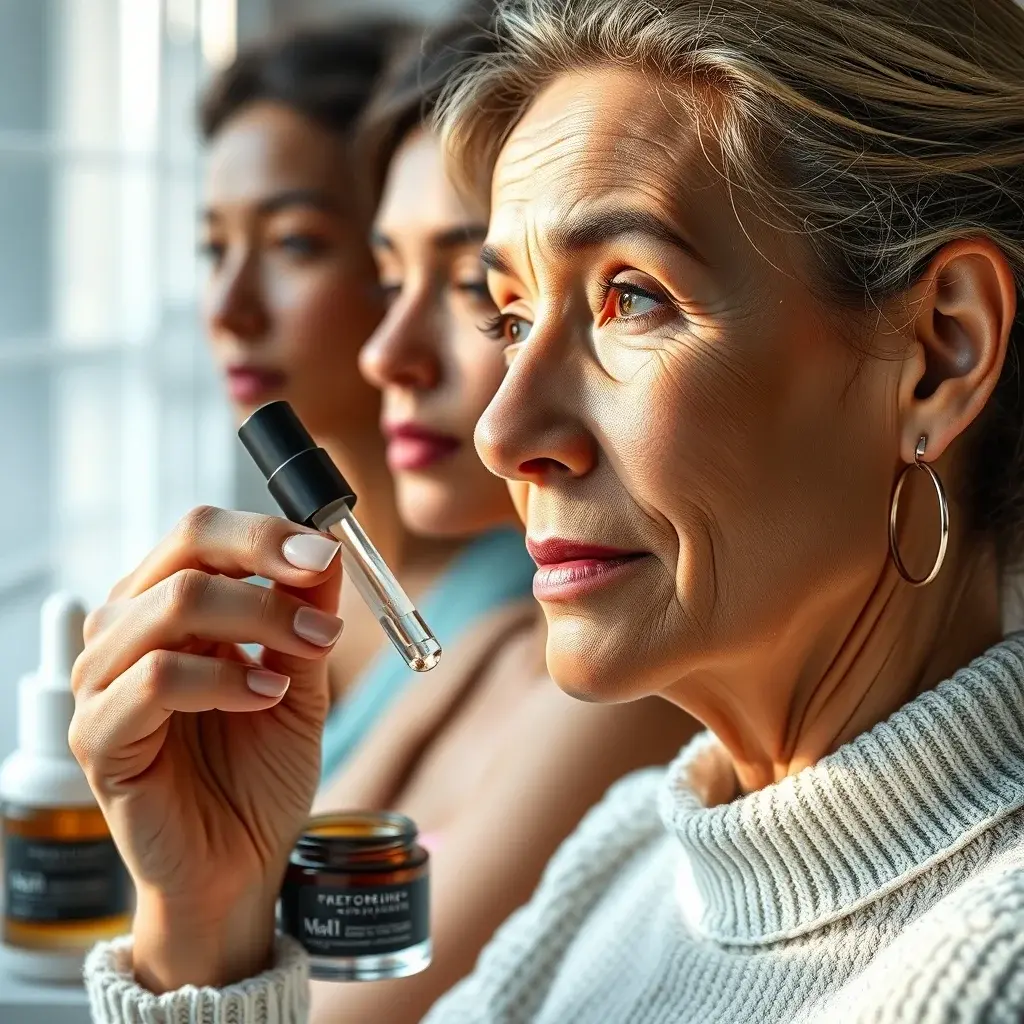
For decades, the beauty industry treated aging as a problem to fix. Today, the narrative has shifted. Skincare over forty is no longer about reversing time but optimizing skin health through evidence-based rituals that address hydration, collagen depletion, and barrier function. This transformation reflects a broader cultural reckoning with aging, one that prioritizes resilience over reversal. The global market for mature skin solutions reached $12.8 billion in 2023, according to Grand View Research, with projections indicating a 6.2% annual growth rate through 2030. Yet behind the numbers lies a complex ecosystem of scientific innovation, consumer behavior, and regulatory scrutiny.
The Current Landscape: Who, What, When, Where, Why, and How
The modern approach to mature skin radiance targets adults aged 40 to 65, a demographic that now represents 35% of the global population, per United Nations data. This cohort faces distinct physiological changes: collagen production declines by 1% annually after age 25, while sebum output decreases by 23% between ages 40 and 60, leaving skin prone to dryness and sensitivity. The shift toward pro aging beauty rituals gained momentum in 2018, when the term “anti-aging” was banned from marketing by the American Medical Association, prompting brands to reframe their messaging around hydration for mature skin and elasticity restoring rituals.
Geographically, the demand for skincare over forty is concentrated in North America and Asia-Pacific, which together account for 72% of market revenue. In Japan, where 29% of the population is over 65, brands like Shiseido and Pola have pioneered deep moisture mature skin formulations with ceramides and hyaluronic acid. Meanwhile, in the U.S., the Clean Label Project reports that 68% of consumers over 40 prioritize products free from parabens and phthalates, reflecting heightened awareness of ingredient safety.
Historical Context: From Taboo to Transparency
The evolution of midlife glow skincare can be traced through three distinct phases:
- 1950s–1980s: The Era of Denial. Aging was treated as a flaw to conceal. Products like Noxzema’s “Age Defying” line relied on heavy emollients and fragrances, with little scientific backing. The first retinoid, tretinoin, was approved by the FDA in 1971 but marketed exclusively for acne.
- 1990s–2010s: The Rise of Cosmeceuticals. The term “cosmeceutical” emerged in 1995, bridging cosmetics and pharmaceuticals. Brands like SkinCeuticals introduced vitamin C serums, while Neutrogena’s Healthy Skin line popularized alpha hydroxy acids (AHAs) for fine lines treatment. The 2000s saw the first clinical studies on collagen boost over forty, with a 2007 Dermatologic Surgery study confirming that topical peptides could stimulate collagen synthesis by 30%.
- 2015–Present: The Age of Personalization. Advances in biotechnology enabled targeted solutions. In 2019, L’Oréal launched Age Perfect, a line formulated with phytoceramides to address barrier repair mature skin. The same year, the FDA approved the first over-the-counter retinol for mature skin with a 0.3% concentration, making it accessible without a prescription.
The Science of Mature Skin: How Key Mechanisms Decline
Mature skin undergoes structural and functional changes that demand tailored interventions. Below is a comparison of key metrics between skin at age 30 and 50:
| Parameter | Age 30 | Age 50 | Change |
|---|---|---|---|
| Collagen Density | 100% (baseline) | 75% | -25% |
| Hyaluronic Acid | 100% (baseline) | 50% | -50% |
| Skin Thickness | 1.1 mm | 0.9 mm | -18% |
| Transepidermal Water Loss (TEWL) | 8 g/m²/h | 12 g/m²/h | +50% |
“The loss of hyaluronic acid is the most underrated factor in mature skin,” says Dr. Anjali Mahto, consultant dermatologist at the British Association of Dermatologists. “It’s not just about wrinkles; it’s about the skin’s ability to retain moisture and protect itself from environmental stressors.” This decline in hyaluronic acid contributes to the need for deep moisture mature skin formulations, which often combine humectants (glycerin, hyaluronic acid) with occlusives (squalane, shea butter) to lock in hydration.
Stakeholder Perspectives: Conflicting Priorities and Shared Goals
The ageless beauty routine ecosystem involves diverse stakeholders, each with distinct priorities:
- Consumers. A 2023 survey by The NPD Group found that 74% of women over 40 seek products that address multiple concerns, such as sagging skin remedy and wrinkle smoothing ritual. However, 62% report feeling overwhelmed by the number of options, highlighting a gap between demand and clarity.
- Brands. Companies like Estée Lauder and Olay invest heavily in clinical trials to substantiate claims. Estée Lauder’s Advanced Night Repair serum, for example, underwent a 12-week study showing a 72% improvement in skin hydration. “The challenge is balancing efficacy with accessibility,” notes Sarah Brown, CEO of Pai Skincare. “Consumers want dermatologist-approved results without the dermatologist price tag.”
- Regulators. The FDA and EU Cosmetics Regulation monitor claims like “firming” and “lifting,” which must be supported by clinical data. In 2022, the FDA issued warning letters to five brands for making unproven claims about elasticity restoring ritual products. “The line between cosmetics and drugs is blurring,” says Dr. Linda Katz, director of the FDA’s Office of Cosmetics and Colors. “Brands must ensure their marketing aligns with the science.”
- Dermatologists. Clinicians emphasize a layered approach. “Topicals are just one piece of the puzzle,” says Dr. Dray, a board-certified dermatologist. “We also need to address lifestyle factors like diet, sleep, and stress, which have a measurable impact on mature skin radiance.” A 2021 study in JAMA Dermatology found that adults who slept less than six hours per night had 30% more visible wrinkles than those who slept seven to nine hours.
Emerging Solutions: Beyond Topical Treatments
The future of skincare over forty lies in integrating topicals with systemic approaches. Key innovations include:
- Oral Collagen Supplements. A 2022 meta-analysis in Journal of Cosmetic Dermatology found that hydrolyzed collagen supplements improved skin elasticity by 15% and hydration by 28% after 12 weeks. Brands like Vital Proteins and NeoCell have capitalized on this trend, though experts caution that results vary by individual.
- LED Light Therapy. Devices like Dr. Dennis Gross’s SpectraLite use red and near-infrared light to stimulate collagen production. A 2020 study in Photomedicine and Laser Surgery reported a 31% reduction in fine lines after 12 weeks of use. However, the upfront cost ($435 for the SpectraLite) limits accessibility.
- Microbiome Skincare. Research from the University of California, San Diego, shows that the skin microbiome shifts with age, contributing to inflammation and sensitivity. Brands like Mother Dirt and Gallinée offer probiotic-based products to restore balance, though long-term efficacy data is still emerging.
- Hormone-Replacement Therapy (HRT). For women experiencing perimenopause skin support, HRT can improve skin thickness and hydration. A 2019 study in Menopause found that estrogen therapy increased collagen content by 6.5% over six months. However, HRT is not suitable for everyone, and risks must be weighed against benefits.
Quantitative Impact: Market Trends and Consumer Behavior
The menopause skincare essentials segment is the fastest-growing category, with a 12.4% CAGR from 2020 to 2023, per Euromonitor International. This growth is driven by brands like Pause Well-Aging, which targets perimenopause skin support with products containing niacinamide and adaptogens. Below is a breakdown of the top-selling product categories in 2023:
| Category | Global Sales (USD Billions) | YoY Growth |
|---|---|---|
| Moisturizers | $4.2 | 5.8% |
| Serums | $3.1 | 8.1% |
| Retinol Products | $2.5 | 9.3% |
| Firming Creams | $1.8 | 4.7% |
| Supplements | $1.2 | 11.2% |
Consumer behavior is also evolving. A 2023 report by McKinsey & Company found that 56% of consumers over 40 research ingredients before purchasing, up from 38% in 2018. “Transparency is no longer optional,” says Priya Venkatesh, senior vice president of skincare at Sephora. “Customers want to know not just what a product does, but how it does it.”
The next frontier in skincare over forty will likely focus on three areas: personalized formulations, sustainable packaging, and the integration of AI-driven diagnostics. Brands like Curology and Proven Skincare already use algorithms to tailor products to individual skin profiles, while companies like Biossance and Ren Clean Skincare are leading the charge in eco-friendly packaging. As the market matures, the emphasis will shift from chasing youth to cultivating youthful glow over forty through science-backed, holistic approaches. For now, the most effective strategy remains a combination of evidence-based topicals, lifestyle adjustments, and a willingness to adapt as new research emerges.
You may also like
-
Resveratrol in Age Defense: A Multidimensional Analysis of Antioxidant Science, Mechanisms, and Industry Evolution
-
The Comprehensive Science of Mature Skin Resilience: A Multidimensional Examination of Skincare Over Forty, Biological Adaptations, and Evidence-Based Innovations
-
The Strategic Framework of Mature Skin Resilience: A 360-Degree Examination of Skincare Over Forty, Biological Adaptations, and Evidence-Based Innovations
-
The Comprehensive Analysis of Individualistic Age Well Beauty: Autonomy, Confidence, and the Modern Reinterpretation of Aging
-
Sustainable Fashion: The Not-So-Trendy Truth Behind Eco-Friendly Couture