
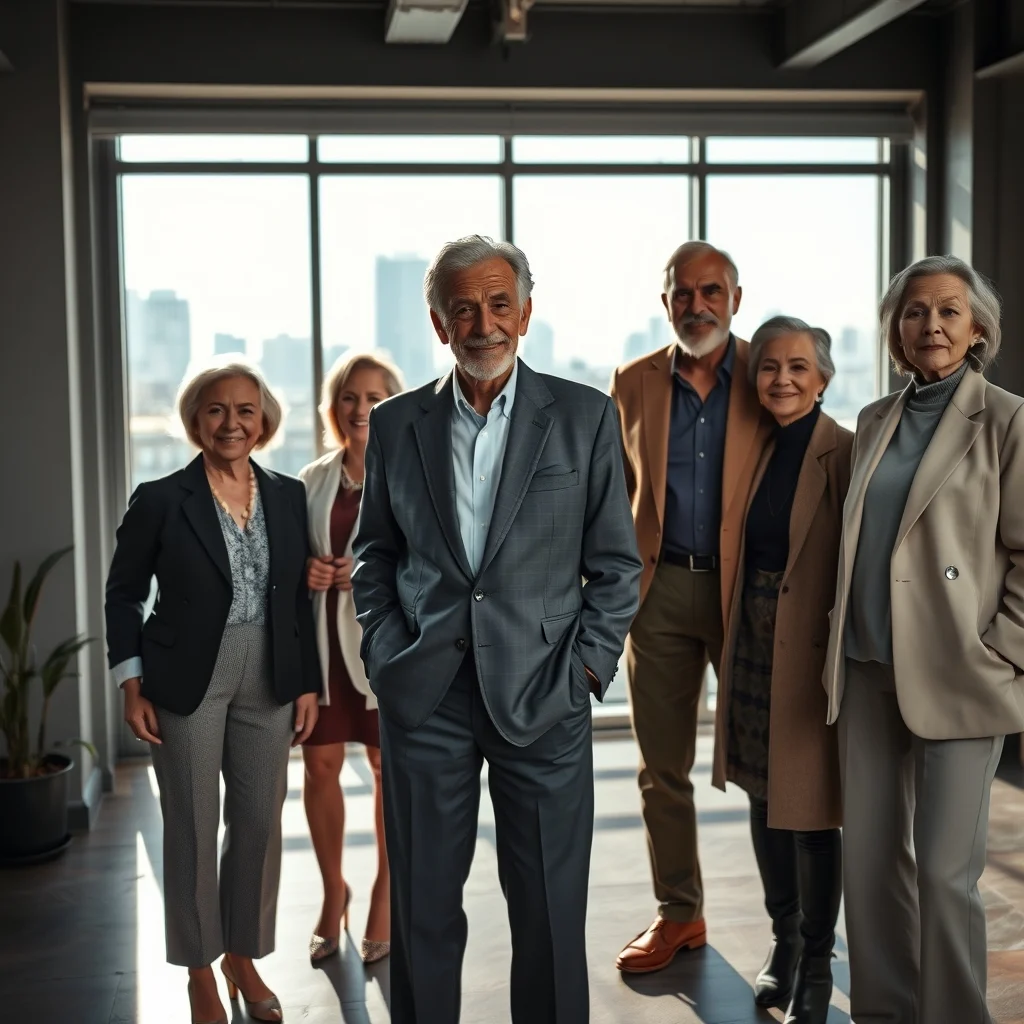
Silver Beauty Empowerment has emerged as a defining cultural and commercial movement of the 2020s, challenging long-standing ageist stereotypes while redefining beauty standards for individuals over 40. This phenomenon spans global demographics, with women and men in North America, Europe, and parts of Asia increasingly rejecting traditional narratives that equate aging with decline. The movement gained significant traction in 2020, coinciding with the COVID-19 pandemic, which prompted widespread reflection on personal autonomy and self-perception. Social media platforms, particularly Instagram and TikTok, have served as primary catalysts, amplifying voices that celebrate gray hair, wrinkles, and mature skin as symbols of wisdom and experience rather than imperfections.
At its core, Silver Beauty Empowerment represents a shift in how aging is perceived and experienced. Historically, beauty industries have prioritized youth, with anti-aging products generating $62.6 billion globally in 2022, according to Grand View Research. However, a 2023 AARP survey revealed that 78% of adults aged 50 and older now view aging as an opportunity for reinvention rather than a period of loss. This shift is not merely philosophical; it has tangible economic and social implications. Brands like Dove, L’Oréal, and Procter & Gamble have launched campaigns featuring older models, while independent beauty lines such as Pause Well-Aging and Silver Mirror cater specifically to mature skin and hair. The movement intersects with broader societal trends, including the rise of body positivity, the rejection of gendered beauty norms, and the growing influence of Gen X and Baby Boomer consumers, who control 70% of disposable income in the U.S., per Nielsen data.
Historical Context: From Anti-Aging to Pro-Aging
The evolution of Silver Beauty Empowerment can be traced through distinct phases, each reflecting broader cultural attitudes toward aging. In the 1950s and 1960s, beauty standards were rigidly youth-centric, with advertisements promoting products like hormone creams and hair dyes as essential tools for maintaining a youthful appearance. The 1970s and 1980s saw the rise of the fitness industry, which introduced a new narrative: aging could be delayed through exercise and diet. By the 1990s, the anti-aging industry had fully crystallized, with Botox, fillers, and surgical procedures becoming mainstream. However, this period also sowed the seeds of resistance. The 1999 launch of More magazine, which targeted women over 40, marked one of the first mainstream media efforts to celebrate mature beauty.
- 2000-2010: The rise of digital media enabled niche communities to form around alternative beauty standards. Blogs like The Silver Century and Advanced Style (founded in 2008) showcased older adults who embraced their natural appearance, laying the groundwork for the current movement.
- 2010-2015: Social media platforms like Instagram and Pinterest provided a visual stage for Silver Beauty Empowerment. Hashtags such as #GrayHairDontCare and #ProAging gained traction, while brands like Aveda and Clairol began offering products that celebrated, rather than concealed, gray hair.
- 2016-2020: The movement entered the mainstream. In 2017, Allure magazine banned the term “anti-aging” from its pages, a decision that sparked widespread debate. The same year, the AARP Aging Readiness and Competitiveness Report highlighted the economic power of older adults, further legitimizing the movement.
- 2021-Present: Silver Beauty Empowerment has become a multi-billion-dollar industry. In 2023, the global market for pro-aging skincare reached $12.4 billion, with a compound annual growth rate (CAGR) of 8.2% projected through 2030, according to Statista. Influencers like Lyn Slater (Accidental Icon) and Maye Musk have become household names, while brands like Gucci and Saint Laurent have featured older models in high-profile campaigns.
Operational Mechanics: How Silver Beauty Empowerment Functions
Silver Beauty Empowerment operates through a complex ecosystem of cultural, commercial, and technological mechanisms. At the individual level, the movement is driven by rituals and routines that prioritize self-care over concealment. A 2023 survey by Ipsos found that 63% of adults aged 40-65 now view their skincare routines as acts of self-respect rather than efforts to combat aging. This shift is reflected in product formulations, with brands increasingly focusing on hydration, barrier repair, and gentle exfoliation rather than invasive procedures.
Social media plays a pivotal role in disseminating these ideals. Platforms like TikTok have popularized trends such as the “skin flooding” technique, which emphasizes moisture retention, and the “no-makeup makeup” look, which enhances natural features rather than masking them. Algorithms on these platforms have also become more inclusive, with content featuring older adults receiving higher engagement rates. A 2022 study by the Pew Research Center found that 45% of adults aged 50-64 use social media to seek beauty and wellness advice, up from 28% in 2018.
Commercially, the movement has spurred innovation in product development and marketing. Brands are increasingly using data analytics to tailor products to the specific needs of mature skin, such as increased sensitivity and reduced collagen production. For example, Neutrogena’s Hydro Boost line, which targets hydration, saw a 22% increase in sales among consumers aged 50+ between 2020 and 2023. Marketing strategies have also evolved, with campaigns featuring diverse representations of aging. In 2022, L’Oréal Paris cast 70-year-old actress Helen Mirren as its global ambassador, a move that resulted in a 15% increase in sales among older demographics.
Quantitative Data Analysis: Measuring the Movement’s Impact
The economic and social impact of Silver Beauty Empowerment is quantifiable through several key metrics. The following table compares market data from 2018 and 2023, illustrating the movement’s growth:
| Metric | 2018 | 2023 | Change (%) |
|---|---|---|---|
| Global pro-aging skincare market value | $8.1 billion | $12.4 billion | +53.1% |
| Percentage of beauty campaigns featuring models over 50 | 12% | 34% | +183.3% |
| Social media engagement with #ProAging content (monthly average) | 1.2 million | 4.7 million | +291.7% |
| Consumer spending on non-invasive beauty treatments (e.g., facials, LED therapy) | $4.3 billion | $6.8 billion | +58.1% |
| Percentage of adults aged 50+ who view aging positively | 54% | 78% | +44.4% |
These figures underscore the movement’s rapid expansion. However, disparities persist. A 2023 report by the McKinsey & Company Beauty Market Report found that while 68% of women over 50 feel represented in beauty advertising, only 42% of men in the same age group report the same. Additionally, the movement’s influence varies by region. In Japan, where cultural attitudes toward aging remain more conservative, pro-aging products account for just 12% of the skincare market, compared to 35% in the U.S.
Systemic Impacts: Cultural, Economic, and Social Shifts
The rise of Silver Beauty Empowerment has triggered broader systemic changes. Culturally, the movement has contributed to a redefinition of beauty standards, challenging the notion that attractiveness is synonymous with youth. This shift is evident in media representation, with films like Good Luck to You, Leo Grande (2022) and TV shows like Grace and Frankie (2015-2022) centering older characters in narratives that celebrate their sexuality, agency, and complexity. In fashion, brands like Universal Standard and Eileen Fisher have expanded their size ranges to accommodate older bodies, while designers like Iris Apfel and Billy Porter have become icons of age-inclusive style.
Economically, the movement has created new opportunities and challenges. The pro-aging market’s growth has attracted investment, with venture capital funding for age-tech startups reaching $1.2 billion in 2022, per CB Insights. However, the industry also faces criticism for commercializing self-acceptance. “Silver Beauty Empowerment risks becoming another marketing gimmick if brands prioritize profit over genuine inclusivity,” warns Dr. Ashton Applewhite, author of This Chair Rocks: A Manifesto Against Ageism. “The movement’s success depends on whether it can maintain its authenticity as it scales.”
Socially, the movement has sparked conversations about ageism in the workplace. A 2023 study by the World Health Organization found that 60% of adults over 50 have experienced age-based discrimination, with women reporting higher rates than men. Silver Beauty Empowerment has provided a platform for advocacy, with organizations like the Global Alliance for the Rights of Older People using the movement’s visibility to push for policy changes. In 2022, the European Union adopted the EU Strategy on the Rights of Older Persons, which includes provisions to combat ageism in media and advertising.
Stakeholder Perspectives: Diverse Voices in the Movement
The Silver Beauty Empowerment movement encompasses a wide range of stakeholders, each with distinct perspectives on its goals and impact. For consumers, the movement represents a form of liberation. “I spent decades trying to look younger,” says 58-year-old marketing executive Patricia Chen. “Now, I see my wrinkles as proof of a life well-lived. It’s freeing.” Chen’s sentiment is echoed by many, though some caution against oversimplification. “Not everyone has the privilege to embrace aging,” notes sociologist Dr. Margaret Morganroth Gullette, author of Aged by Culture. “For marginalized groups, aging can still feel like a liability, not a choice.”
Industry leaders view the movement as both an opportunity and a responsibility. “Brands have a duty to reflect the diversity of their consumers,” says Trisha Okubo, founder of the pro-aging skincare line Pause Well-Aging. “But representation alone isn’t enough. We need to create products that address the unique needs of mature skin, not just repackage anti-aging formulas.” This perspective is shared by dermatologists, who emphasize the importance of evidence-based solutions. “The pro-aging movement is a step in the right direction, but it must be grounded in science,” says Dr. Jeanette Graf, a board-certified dermatologist. “Hydration, sun protection, and gentle exfoliation are key, but so is managing expectations. Aging is a natural process, not a problem to be solved.”
Policymakers and advocates highlight the movement’s potential to drive systemic change. “Silver Beauty Empowerment is more than a trend; it’s a cultural reckoning,” says Dr. Becca Levy, a professor of epidemiology at Yale University and author of Breaking the Age Code. “Research shows that positive attitudes toward aging can add 7.5 years to a person’s life. This movement has the power to reshape how society views aging, but it requires sustained effort.” Levy’s work is supported by a 2023 study published in The Gerontologist, which found that individuals with positive aging self-perceptions had lower rates of chronic illness and higher cognitive function.
Critics, however, argue that the movement risks excluding those who do not fit its aesthetic ideals. “Silver Beauty Empowerment often centers thin, white, affluent individuals,” says disability rights activist Imani Barbarin. “What about people with disabilities, chronic illnesses, or those who can’t afford high-end skincare? The movement must be intersectional to be truly empowering.” Barbarin’s critique is echoed by data from the 2023 Inclusive Beauty Report, which found that only 18% of pro-aging campaigns feature models with visible disabilities.
The future of Silver Beauty Empowerment hinges on its ability to navigate these complexities. Upcoming regulatory milestones, such as the U.S. Food and Drug Administration’s review of non-invasive beauty treatments, could shape the movement’s trajectory. Market catalysts, including the growing influence of Gen Z consumers, who prioritize authenticity and inclusivity, may further accelerate its growth. However, the movement’s long-term impact will depend on whether it can transcend its commercial origins to drive meaningful cultural and structural change. As the global population ages—with the number of people aged 60 and over expected to double by 2050, according to the United Nations—the stakes have never been higher. The conversation around aging is no longer just about beauty; it’s about dignity, autonomy, and the right to define one’s own narrative at every stage of life.
You may also like
-
Resveratrol in Age Defense: A Multidimensional Analysis of Antioxidant Science, Mechanisms, and Industry Evolution
-
The Comprehensive Science of Mature Skin Resilience: A Multidimensional Examination of Skincare Over Forty, Biological Adaptations, and Evidence-Based Innovations
-
The Strategic Framework of Mature Skin Resilience: A 360-Degree Examination of Skincare Over Forty, Biological Adaptations, and Evidence-Based Innovations
-
The Comprehensive Analysis of Individualistic Age Well Beauty: Autonomy, Confidence, and the Modern Reinterpretation of Aging
-
Sustainable Fashion: The Not-So-Trendy Truth Behind Eco-Friendly Couture