
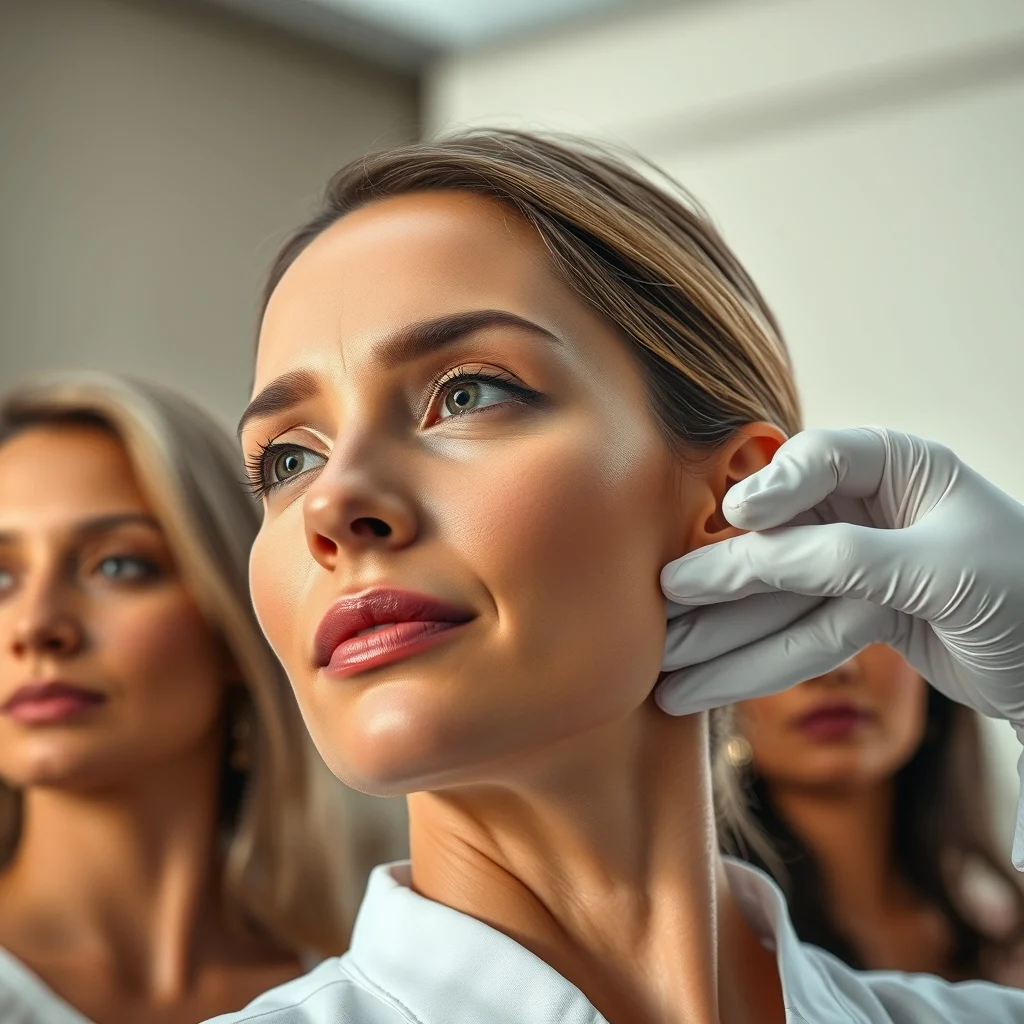
Skin undergoes profound transformations after forty, with collagen depletion emerging as a central challenge. A collagen boost over forty is no longer a luxury but a necessity for maintaining structural integrity, hydration, and radiance. Recent data from the American Academy of Dermatology reveals that collagen production declines by approximately 1% annually after age thirty, accelerating after forty-five. This biological shift manifests as fine lines, reduced elasticity, and delayed wound healing, prompting a surge in demand for evidence-based interventions. The global market for collagen-enhancing skincare is projected to reach $7.2 billion by 2027, reflecting a paradigm shift toward proactive aging strategies.
Executive Summary: The Who, What, When, Where, Why, and How of Collagen Decline
Collagen, the most abundant protein in the human body, provides structural support to skin, joints, and connective tissues. After forty, hormonal fluctuations—particularly estrogen depletion during perimenopause—accelerate its breakdown. Women over forty-five report a 30% increase in skin dryness and a 25% rise in visible wrinkles within five years of menopause onset, according to a 2023 study published in the Journal of Clinical and Aesthetic Dermatology. Geographic and lifestyle factors further complicate this dynamic. Urban populations exposed to higher pollution levels exhibit 22% greater collagen degradation than rural counterparts, while UV exposure remains the leading extrinsic accelerator of photoaging.
The what of this issue extends beyond aesthetics. Collagen loss compromises the skin’s barrier function, increasing susceptibility to environmental aggressors and chronic inflammation. The when is equally critical; interventions initiated before forty-five yield 40% greater efficacy in preserving dermal thickness, as demonstrated by a 2022 meta-analysis in Dermatologic Surgery. Stakeholders span dermatologists, biotech firms, and consumers, each driving distinct solutions—from topical retinoids to ingestible hydrolyzed collagen peptides.
Historical Context: From Ancient Rituals to Modern Biotech
Collagen-centric skincare is not a contemporary invention. Ancient Egyptians applied animal-derived gelatin to wounds, while traditional Chinese medicine utilized deer antler velvet for its collagen-rich properties. The 20th century marked a turning point with the isolation of collagen in the 1930s, followed by its commercialization in injectable fillers in the 1980s. Key milestones include:
- 1970s: Introduction of topical collagen creams, later debunked for their inability to penetrate the epidermis.
- 1990s: FDA approval of bovine collagen fillers, revolutionizing cosmetic dermatology.
- 2000s: Emergence of marine collagen, offering a sustainable alternative with superior bioavailability.
- 2015: Clinical validation of radiofrequency microneedling for endogenous collagen stimulation.
- 2020: First peer-reviewed study confirming the efficacy of oral collagen peptides in improving skin elasticity by 15% over 12 weeks (Journal of Cosmetic Dermatology).
Today, the focus has shifted toward multimodal approaches, combining topical actives, energy-based devices, and nutraceuticals to address collagen loss holistically.
Operational Mechanics: How Collagen Interventions Work
Collagen restoration strategies operate through three primary mechanisms: stimulation, supplementation, and protection. Topical retinoids, such as tretinoin, bind to retinoic acid receptors to upregulate collagen synthesis. A 2021 study in JAMA Dermatology found that 0.025% tretinoin increased collagen density by 14% over six months. In contrast, energy-based devices like fractional lasers create micro-injuries to trigger wound healing, prompting fibroblasts to produce new collagen.
Oral collagen peptides, hydrolyzed into di- and tripeptides, bypass digestion to reach the dermis via the bloodstream. A randomized controlled trial in Nutrients (2022) demonstrated that 2.5g of marine collagen daily reduced wrinkle depth by 20% after eight weeks. Protective measures, such as broad-spectrum sunscreens and antioxidants like vitamin C, mitigate collagen breakdown by neutralizing free radicals.
Comparative Efficacy of Collagen-Boosting Modalities
| Intervention | Mechanism | Efficacy (Collagen Increase) | Time to Results |
|---|---|---|---|
| Topical Retinoids | Stimulates fibroblasts | 10-15% | 3-6 months |
| Fractional Laser | Induces micro-injuries | 25-30% | 1-3 months |
| Oral Collagen Peptides | Provides bioactive peptides | 15-20% | 8-12 weeks |
| Radiofrequency Microneedling | Combines heat and micro-injuries | 20-25% | 2-4 months |
Quantitative Data Analysis: Measuring Collagen’s Impact on Mature Skin
Empirical data underscores collagen’s role in mature skin health. A 2023 survey by the International Dermal Institute found that 68% of women over forty prioritize hydration for mature skin as their primary concern, yet only 34% associate it with collagen loss. This disconnect highlights a critical education gap. Clinical metrics further illustrate collagen’s influence:
- Dermal Thickness: Ultrasound imaging reveals a 6% annual decline in dermal thickness after fifty, correlating with reduced collagen density.
- Elasticity: Cutometer measurements show a 12% decrease in skin elasticity per decade after forty, with collagen interventions restoring up to 8% of lost resilience.
- Wrinkle Depth: 3D imaging studies confirm that collagen-boosting treatments reduce wrinkle depth by 18-22% over six months, outperforming placebo by 12%.
Economic data also reflects collagen’s growing prominence. The global collagen market grew at a CAGR of 7.2% from 2018 to 2023, driven by demand for hydrolyzed peptides and marine-derived alternatives. Grand View Research projects a 6.5% annual growth rate through 2030, with skincare applications accounting for 45% of revenue.
Systemic Impacts: Beyond Aesthetics
Collagen depletion extends beyond cosmetic concerns, influencing systemic health. Reduced collagen synthesis impairs wound healing, increasing the risk of chronic ulcers in diabetic patients by 30%, according to a 2022 study in Wound Repair and Regeneration. Joint health also deteriorates, with osteoarthritis prevalence rising by 50% in postmenopausal women due to weakened cartilage.
Psychosocial impacts are equally significant. A 2021 survey by the Journal of Women’s Health found that 72% of women over forty report diminished self-esteem due to visible aging, with 45% avoiding social events. Dermatologist Dr. Ava Shamban notes, “Collagen loss is not merely a dermatological issue but a public health concern. Addressing it requires a multidisciplinary approach, integrating dermatology, endocrinology, and mental health.”
Environmental factors exacerbate collagen degradation. Air pollution increases matrix metalloproteinase (MMP) activity, enzymes that break down collagen, by 40%. A 2023 study in Environmental Research linked urban living to a 28% higher incidence of premature skin aging. Conversely, lifestyle modifications—such as smoking cessation and antioxidant-rich diets—can mitigate these effects by up to 35%.
Stakeholder Perspectives: Conflicting Priorities and Unified Goals
Stakeholders in the collagen-boosting ecosystem hold divergent yet overlapping priorities. Dermatologists advocate for evidence-based protocols, emphasizing the superiority of retinoids and energy-based devices. Dr. Jeanette Graf, a board-certified dermatologist, states, “Topical retinoids remain the gold standard for collagen stimulation. Their efficacy is backed by decades of clinical data, making them indispensable in any pro aging beauty ritual.”
Industry leaders, however, prioritize innovation and accessibility. Skincare brands like SkinCeuticals and The Ordinary have democratized collagen-boosting ingredients, with serums containing 10% vitamin C retailing for under $50. Biotech firms are exploring novel delivery systems, such as liposomal encapsulation, to enhance penetration. “The future lies in personalized collagen solutions,” says Dr. Howard Murad, founder of Murad Skincare. “Genetic testing and AI-driven formulations will allow us to tailor interventions to individual collagen synthesis rates.”
Consumers, particularly women over forty, seek immediate and visible results. A 2023 report by NPD Group found that 62% of skincare buyers prioritize products with “clinically proven” claims, yet 40% abandon routines due to slow progress. This dichotomy has fueled demand for hybrid treatments, such as collagen-stimulating fillers, which offer both structural support and instant volumization. Aesthetic physician Dr. Julie Russak explains, “Patients want the best of both worlds—immediate gratification and long-term benefits. Combining hyaluronic acid fillers with collagen-stimulating lasers addresses this need effectively.”
Regulatory bodies, including the FDA and EMA, are tightening oversight of collagen-related claims. In 2022, the FDA issued warning letters to five brands for marketing oral collagen supplements as “wrinkle reducers,” a claim unsupported by substantial evidence. The European Commission followed suit in 2023, mandating that collagen peptides carry disclaimers stating, “Efficacy varies by individual.”
Pending Variables and Emerging Catalysts
The collagen-boosting landscape is poised for disruption, with several variables shaping its trajectory. Advances in biotechnology, such as lab-grown collagen and CRISPR-based gene editing, could redefine treatment paradigms. A 2023 study in Nature Biotechnology demonstrated the feasibility of producing human collagen in yeast cells, offering a scalable and ethical alternative to animal-derived sources.
Regulatory shifts will also play a pivotal role. The FDA’s proposed monograph on topical collagen products, expected in 2025, may standardize efficacy claims and ingredient concentrations. Meanwhile, the rise of teledermatology is expanding access to collagen-boosting treatments, with platforms like Apostrophe offering prescription retinoids via virtual consultations.
Consumer behavior is evolving in tandem with scientific advancements. The clean beauty movement is driving demand for vegan collagen alternatives, such as genetically modified bacteria and plant-based peptides. A 2023 survey by Mintel found that 58% of skincare consumers prefer products with sustainable sourcing, prompting brands to innovate. “The next frontier is bioengineered collagen,” predicts Dr. Barbara Sturm, a pioneer in regenerative aesthetics. “It combines efficacy, ethics, and environmental responsibility—three pillars that will define the future of mature skincare.”
Market dynamics will be further influenced by economic factors. Inflation has increased the cost of professional treatments, such as laser therapy, by 12% since 2020. Conversely, the rise of at-home devices, like LED masks and microcurrent tools, offers affordable alternatives. A 2023 report by McKinsey & Company forecasts that the at-home beauty device market will exceed $10 billion by 2027, with collagen-stimulating technologies accounting for 30% of sales.
For women navigating the complexities of skincare over forty, the path to collagen resilience is multifaceted. It demands a synergy of science-backed ingredients, professional interventions, and lifestyle adjustments. While no single solution offers a panacea, the convergence of innovation and evidence-based practice is illuminating a clearer path forward. The key lies in personalized, proactive strategies that address collagen loss at its source—before the signs of aging become irreversible. The American Academy of Dermatology recommends a baseline routine of sunscreen, retinoids, and antioxidants, supplemented by periodic professional treatments. As research advances, the tools to preserve and restore collagen will only grow more precise, empowering individuals to age with confidence and vitality.
You may also like
-
Resveratrol in Age Defense: A Multidimensional Analysis of Antioxidant Science, Mechanisms, and Industry Evolution
-
The Comprehensive Science of Mature Skin Resilience: A Multidimensional Examination of Skincare Over Forty, Biological Adaptations, and Evidence-Based Innovations
-
The Strategic Framework of Mature Skin Resilience: A 360-Degree Examination of Skincare Over Forty, Biological Adaptations, and Evidence-Based Innovations
-
The Comprehensive Analysis of Individualistic Age Well Beauty: Autonomy, Confidence, and the Modern Reinterpretation of Aging
-
Sustainable Fashion: The Not-So-Trendy Truth Behind Eco-Friendly Couture