
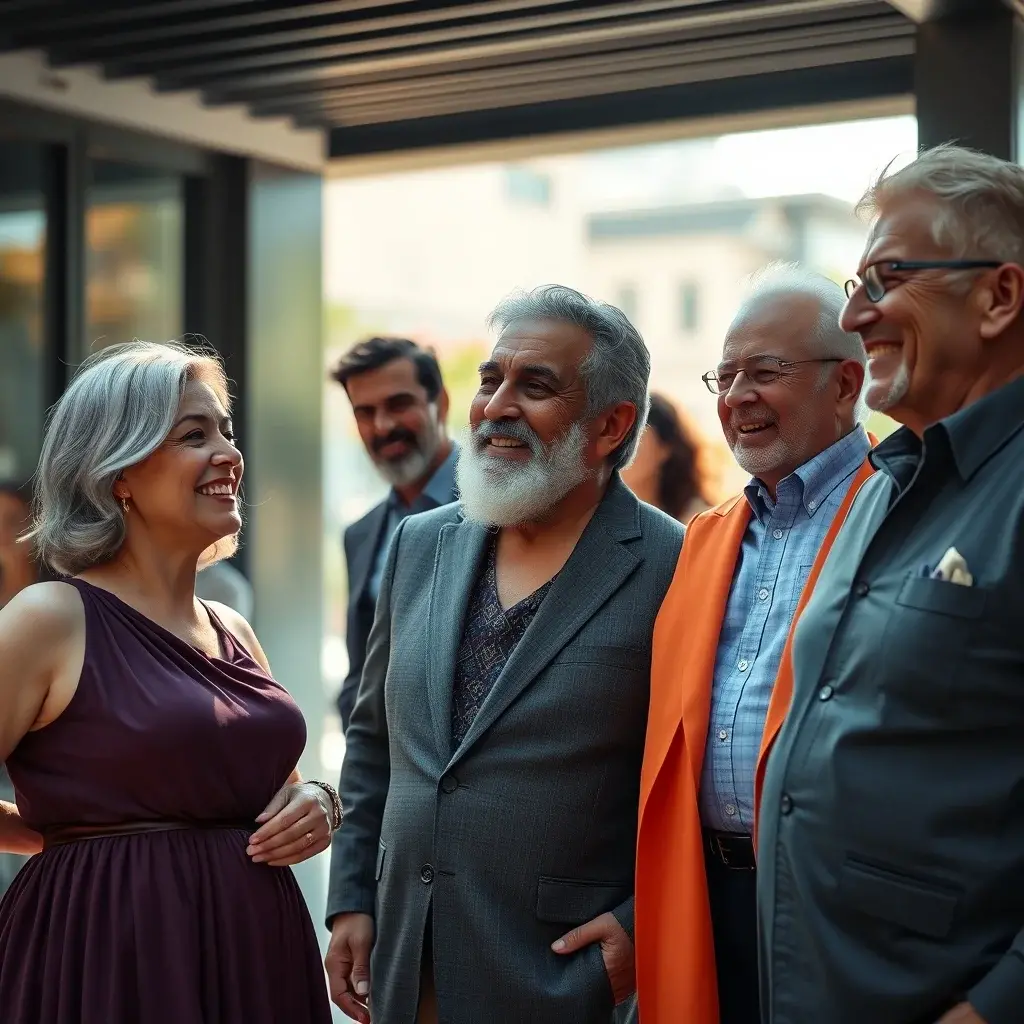
In 2024, the global discourse surrounding aging and beauty has undergone a seismic shift, with individuals over 40 increasingly rejecting traditional stereotypes in favor of a more autonomous, confident approach to growing older. This movement, often referred to as “timeless self-confidence,” encompasses a broad spectrum of practices, cultural attitudes, and economic behaviors that prioritize personal agency over societal expectations. The trend is not confined to any single demographic or geographic region but is instead a cross-cultural phenomenon, observable in urban centers from Tokyo to New York, as well as in digital spaces where communities share experiences and challenge ageist norms. The driving forces behind this shift include advancements in skincare technology, the rise of social media as a platform for diverse representation, and a growing body of research linking self-perception to overall well-being. However, the movement also faces significant challenges, including persistent ageism in the workplace, limited access to inclusive beauty products, and generational divides in attitudes toward aging.
The concept of timeless self-confidence is not a recent invention but rather the culmination of decades of cultural, economic, and technological evolution. Historically, aging was often framed as a decline, with beauty standards emphasizing youthfulness as the pinnacle of attractiveness. This narrative began to shift in the late 20th century, as feminist movements and the rise of consumer activism challenged the notion that women, in particular, should adhere to rigid beauty ideals. By the early 2000s, the emergence of the “pro-aging” movement, spearheaded by figures like Cindy Joseph and Lyn Slater, introduced a counter-narrative that celebrated maturity as a phase of life deserving of respect and visibility. Today, the movement has expanded to include men, non-binary individuals, and people of all ethnicities, reflecting a broader societal push toward inclusivity. Key stakeholders in this space include beauty brands like Dove and L’Oréal, which have launched campaigns featuring older models, as well as advocacy groups such as the Global Coalition on Aging, which works to combat ageism in media and policy. Social media influencers, particularly those in the “silver fox” and “gray hair confidence” niches, have also played a pivotal role in normalizing aging as a dynamic, rather than static, experience.
The Historical Evolution of Aging and Beauty Standards
The relationship between aging and beauty has been shaped by centuries of cultural, economic, and technological factors. In pre-industrial societies, aging was often associated with wisdom and authority, with elders occupying positions of respect within communities. However, the Industrial Revolution and the rise of mass media in the 20th century introduced new beauty paradigms that prioritized youthfulness. By the 1950s, advertising campaigns for products like hair dye and anti-wrinkle creams reinforced the idea that aging was something to be delayed or concealed. This narrative persisted well into the 1990s, despite growing pushback from feminist scholars and activists who argued that such standards were inherently oppressive.
The turn of the 21st century marked a turning point, as the internet democratized access to information and allowed marginalized voices to challenge dominant beauty narratives. In 2004, Dove’s “Real Beauty” campaign, which featured women of diverse ages and body types, became a cultural milestone, sparking global conversations about the narrowness of traditional beauty standards. Around the same time, the rise of blogging platforms enabled older individuals to share their experiences with aging, creating a sense of community and solidarity. By 2010, the term “pro-aging” had entered mainstream discourse, with brands like AARP and Allure magazine dedicating editorial space to the topic. The following timeline highlights key milestones in this evolution:
- 1960s: The feminist movement begins challenging beauty standards, with figures like Betty Friedan critiquing the pressure on women to maintain youthful appearances.
- 1980s: The term “ageism” is coined by gerontologist Robert Butler, who defines it as discrimination based on age.
- 1993: The first “anti-aging” skincare products hit the market, signaling the commercialization of youth preservation.
- 2004: Dove’s “Real Beauty” campaign launches, featuring women aged 20 to 60 and sparking debates about representation in advertising.
- 2015: Allure magazine bans the term “anti-aging” from its editorial content, advocating for a more inclusive approach to beauty.
- 2020: The COVID-19 pandemic accelerates digital adoption among older adults, increasing their visibility on social media platforms like TikTok and Instagram.
- 2023: The global market for “mature beauty” products reaches $12.5 billion, according to a report by Grand View Research, with projections indicating continued growth.
The Mechanics of Timeless Self-Confidence
Timeless self-confidence is not merely a philosophical stance but a multifaceted practice that encompasses skincare, fashion, mental health, and social engagement. At its core, the movement emphasizes the importance of self-acceptance, with individuals adopting routines and habits that align with their personal values rather than external expectations. Skincare, for example, has evolved from a focus on erasing signs of aging to a more holistic approach that prioritizes skin health and hydration. Brands like Drunk Elephant and The Ordinary have gained popularity for their science-backed formulations, which cater to a wide range of skin types and concerns, including those associated with aging. Similarly, the fashion industry has seen a rise in brands like Universal Standard and Eileen Fisher, which design clothing for older bodies without sacrificing style or comfort.
Mental health is another critical component of timeless self-confidence, with research indicating that self-perception plays a significant role in overall well-being. A 2022 study published in the Journal of Aging and Health found that individuals who reported higher levels of self-acceptance were more likely to engage in healthy behaviors, such as regular exercise and social interaction. This finding aligns with the growing popularity of mindfulness practices, such as meditation and yoga, among older adults. Social media has also become a powerful tool for fostering self-confidence, with platforms like Instagram and TikTok serving as spaces for older individuals to share their stories and connect with like-minded communities. Hashtags like #GrayHairDontCare and #Over40AndFabulous have amassed millions of posts, creating a virtual support network for those navigating the complexities of aging.
Quantitative Data and Market Trends
The economic and social impact of the timeless self-confidence movement is reflected in a growing body of quantitative data. According to a 2023 report by McKinsey & Company, the global beauty market for consumers aged 50 and older is projected to grow at a compound annual growth rate (CAGR) of 6.5% through 2027, outpacing the overall beauty market’s growth rate of 4.7%. This trend is driven by several factors, including increased disposable income among older adults, greater representation in media, and a shift in consumer preferences toward products that emphasize authenticity and inclusivity. The following table highlights key statistics related to the mature beauty market:
| Metric | Value (2023) | Source |
|---|---|---|
| Global mature beauty market size | $12.5 billion | Grand View Research |
| Projected CAGR (2023-2027) | 6.5% | McKinsey & Company |
| Percentage of beauty consumers aged 50+ who prioritize inclusivity | 68% | NielsenIQ |
| Social media engagement for #GrayHairDontCare | 1.2 million posts | |
| Percentage of women over 40 who feel underrepresented in beauty advertising | 72% | AARP |
Despite these positive trends, challenges remain. A 2022 survey conducted by the World Health Organization (WHO) found that ageism remains pervasive in many societies, with 60% of respondents reporting that they had experienced age-based discrimination. This discrimination is particularly pronounced in the workplace, where older adults often face barriers to employment and career advancement. A report by the AARP found that workers over the age of 50 are 20% less likely to be called back for job interviews compared to their younger counterparts, despite having comparable qualifications. These findings underscore the need for continued advocacy and policy changes to address systemic ageism.
Systemic Impacts and Societal Shifts
The rise of timeless self-confidence has had far-reaching implications for society, influencing everything from workplace dynamics to healthcare policies. One of the most significant impacts has been the normalization of aging as a visible, celebrated part of life. This shift is evident in the growing number of older adults who are choosing to embrace their natural hair color, with sales of hair dye declining by 3% annually since 2018, according to data from Euromonitor International. Similarly, the fashion industry has seen a rise in demand for clothing that caters to older bodies, with brands like Eileen Fisher and Universal Standard reporting double-digit growth in recent years. These changes reflect a broader cultural shift toward inclusivity, with consumers increasingly rejecting one-size-fits-all beauty standards in favor of products and services that cater to their individual needs.
The movement has also sparked important conversations about healthcare and aging. A 2023 report by the National Institute on Aging (NIA) found that individuals who reported higher levels of self-confidence were more likely to engage in preventive healthcare behaviors, such as regular check-ups and screenings. This finding aligns with research from the Journal of Gerontology, which suggests that positive self-perception can have a measurable impact on physical health. However, the report also highlights disparities in access to healthcare, particularly among marginalized communities. For example, older adults of color are less likely to receive preventive care compared to their white counterparts, due in part to systemic barriers such as lack of insurance and cultural stigma. These disparities underscore the need for targeted interventions to ensure that the benefits of timeless self-confidence are accessible to all.
Competing Stakeholder Perspectives
The timeless self-confidence movement has elicited a range of responses from stakeholders, each with their own vested interests and perspectives. Beauty brands, for example, have largely embraced the trend, with companies like L’Oréal and Estée Lauder launching product lines specifically targeting older consumers. “The mature beauty market is one of the fastest-growing segments in the industry,” says Sarah Jones, a senior analyst at Euromonitor International. “Brands that fail to cater to this demographic risk losing market share to competitors who are more attuned to their needs.” However, some critics argue that the commercialization of aging risks diluting the movement’s core message of self-acceptance. “It’s one thing to celebrate aging, but it’s another to profit from it,” says Dr. Linda Papadopoulos, a psychologist and author specializing in self-esteem. “The danger is that brands will co-opt the language of empowerment while continuing to sell products that reinforce the idea that aging is something to be fixed.”
Advocacy groups and policymakers have also weighed in on the movement, with organizations like the Global Coalition on Aging calling for greater representation of older adults in media and advertising. “Ageism is one of the last socially acceptable forms of discrimination,” says Michael Hodin, CEO of the Global Coalition on Aging. “We need to challenge the stereotypes that portray aging as a decline rather than a phase of life filled with opportunity and growth.” However, some researchers caution against overgeneralizing the experiences of older adults. “Aging is not a monolith,” says Dr. Becca Levy, a professor of epidemiology at Yale University. “While some individuals may embrace the idea of timeless self-confidence, others may struggle with the physical and emotional challenges of aging. It’s important to recognize that there is no one-size-fits-all approach to growing older.”
As the timeless self-confidence movement continues to evolve, its long-term impact will depend on a variety of factors, including regulatory changes, technological advancements, and shifting cultural attitudes. In the coming years, the beauty industry is expected to face increased scrutiny over its marketing practices, particularly in relation to claims about anti-aging products. The U.S. Food and Drug Administration (FDA) has already signaled its intent to crack down on misleading advertising, with a 2023 guidance document outlining stricter regulations for skincare products that make unproven claims. Meanwhile, the rise of artificial intelligence and virtual reality could further democratize access to beauty and wellness resources, making it easier for older adults to connect with communities and access personalized care. However, the movement’s ultimate success will hinge on its ability to address the systemic barriers that prevent many individuals from fully embracing the idea of aging on their own terms, from workplace discrimination to healthcare disparities. The journey toward timeless self-confidence is far from over, but the progress made thus far offers a glimpse into a future where aging is not feared but celebrated.
You may also like
-
Resveratrol in Age Defense: A Multidimensional Analysis of Antioxidant Science, Mechanisms, and Industry Evolution
-
The Comprehensive Science of Mature Skin Resilience: A Multidimensional Examination of Skincare Over Forty, Biological Adaptations, and Evidence-Based Innovations
-
The Strategic Framework of Mature Skin Resilience: A 360-Degree Examination of Skincare Over Forty, Biological Adaptations, and Evidence-Based Innovations
-
The Comprehensive Analysis of Individualistic Age Well Beauty: Autonomy, Confidence, and the Modern Reinterpretation of Aging
-
Sustainable Fashion: The Not-So-Trendy Truth Behind Eco-Friendly Couture