
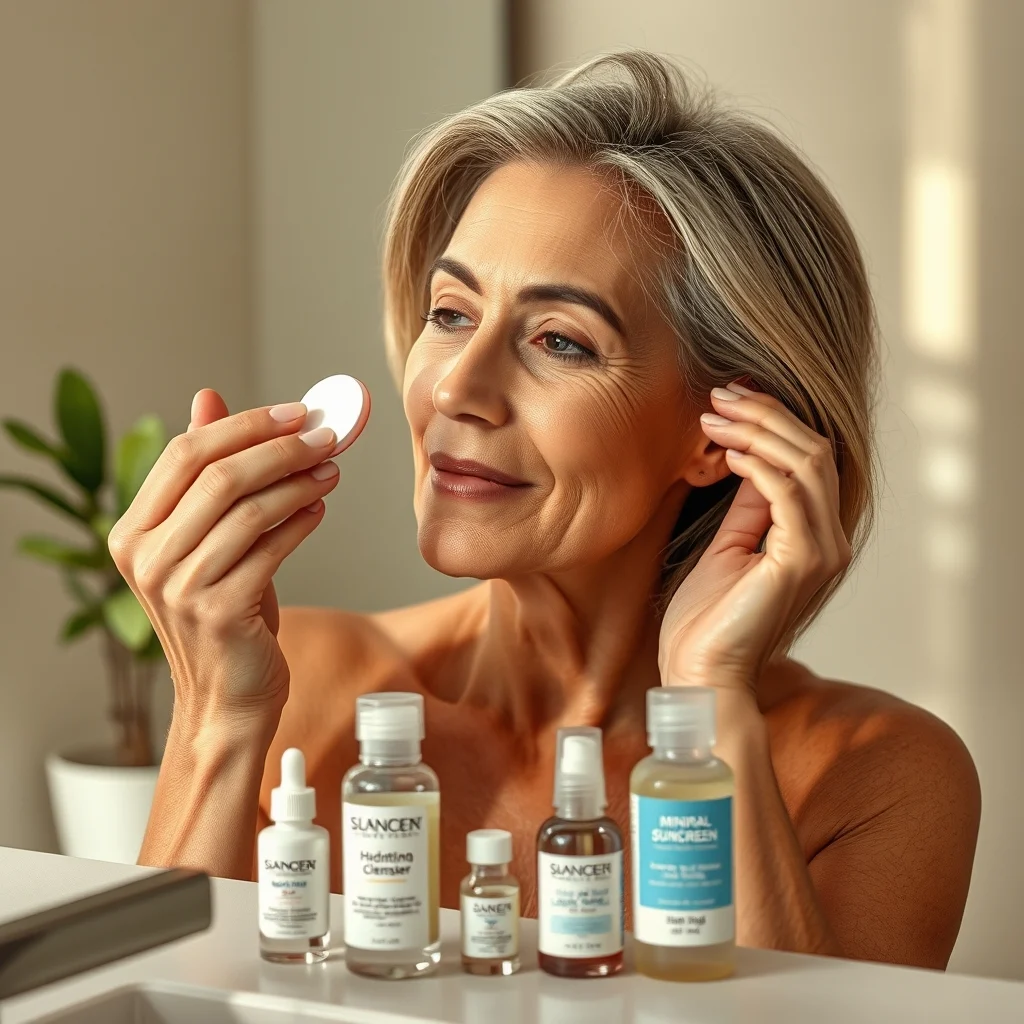
Turning 40 often brings a new awareness of how skin changes—fine lines deepen, elasticity fades, and that once-effortless radiance now feels harder to maintain. The good news? You don’t need an elaborate 10-step routine to restore vitality. A barrier-first, skinimalism approach to anti-aging routines for 40+ focuses on strengthening your skin’s foundation while keeping products simple, effective, and gentle. This method prioritizes protection, hydration, and repair without overwhelming your complexion or your schedule.
Why a Barrier-First Approach Matters After 40
The skin’s moisture barrier weakens with age, making it more susceptible to dryness, irritation, and environmental damage. A compromised barrier also slows down cell turnover, leading to dullness and uneven texture. Instead of layering on serums and treatments, start by reinforcing this protective layer. Look for ingredients like ceramides, cholesterol, and fatty acids—these mimic the skin’s natural lipids and help lock in moisture while keeping irritants out.
Simplicity doesn’t mean sacrificing results. A barrier-first routine reduces inflammation, which is a key driver of premature aging. When your skin is calm and hydrated, it’s better equipped to absorb active ingredients like retinol or peptides later on. Think of it as preparing the soil before planting seeds—your skin will respond more effectively to treatments when its foundation is strong.
Essential Steps in a Skinimalist Anti-Aging Routine
A minimalist routine doesn’t mean skipping steps—it means choosing multi-tasking products that deliver maximum benefits with minimal effort. Start with a gentle, sulfate-free cleanser that won’t strip your skin. Follow with a hydrating toner or essence to prep your skin for the next steps. The goal is to cleanse without disrupting your skin’s pH balance or natural oils.
Next, apply a lightweight but deeply hydrating serum. Hyaluronic acid is a powerhouse for plumping and retaining moisture, while niacinamide helps even out tone and strengthen the barrier. These ingredients work well for all skin types and can be used morning and night. If you’re introducing actives like retinol, start with a low concentration and use it only at night to avoid irritation.
Choosing the Right Moisturizer for Mature Skin
Moisturizers for anti-aging routines for 40+ should do more than just hydrate—they should support repair and protection. Opt for a formula with ceramides to reinforce the barrier, peptides to stimulate collagen, and antioxidants like vitamin E to fight free radicals. If your skin feels tight or flaky, a richer cream with squalane or shea butter can provide extra nourishment without clogging pores.
Avoid heavy, occlusive products if you have oily or combination skin. Instead, choose a gel-cream or lightweight lotion that absorbs quickly. For dry or sensitive skin, a balm or oil-based moisturizer can provide the extra comfort your skin craves. The key is to listen to your skin and adjust based on its needs, not trends.
The Role of Sun Protection in Anti-Aging
No anti-aging routine is complete without sun protection. UV rays are responsible for up to 80% of visible aging, including wrinkles, dark spots, and loss of firmness. A broad-spectrum SPF 30 or higher should be your non-negotiable final step in your morning routine. Mineral sunscreens with zinc oxide or titanium dioxide are ideal for sensitive skin, while chemical sunscreens offer a lightweight, invisible finish for daily wear.
Reapply sunscreen every two hours if you’re outdoors, and don’t forget areas like your neck, chest, and hands. If you wear makeup, a tinted SPF or a setting spray with SPF can make reapplication easier. Sun protection isn’t just for sunny days—UV rays penetrate clouds and windows, so make it a year-round habit.
Incorporating Actives Without Overwhelming Your Skin
Actives like retinol, vitamin C, and exfoliants can transform your skin, but they must be introduced carefully. Retinol boosts cell turnover and collagen production, but it can also cause redness and peeling if overused. Start with a low concentration (0.2% or 0.3%) and use it 1-2 times a week, gradually increasing as your skin builds tolerance. Always apply it to dry skin and follow with moisturizer to minimize irritation.
Vitamin C is a potent antioxidant that brightens skin and protects against environmental damage. Use it in the morning before sunscreen for an extra layer of defense. If you’re new to exfoliants, opt for a gentle PHA (polyhydroxy acid) instead of stronger AHAs or BHAs. PHAs hydrate while exfoliating, making them ideal for sensitive or mature skin.
Lifestyle Habits That Support Your Routine
Skincare isn’t just about what you put on your skin—it’s also about how you care for your body. Hydration is key, so drink plenty of water throughout the day. A diet rich in antioxidants, healthy fats, and lean proteins supports skin health from within. Foods like berries, avocados, and fatty fish provide nutrients that promote collagen production and reduce inflammation.
Sleep is another critical factor. During deep sleep, your skin repairs itself, so aim for 7-9 hours of quality rest each night. Stress management is equally important—chronic stress accelerates aging by increasing cortisol levels, which break down collagen. Practices like meditation, yoga, or even a short daily walk can help keep stress in check and your skin glowing.
Your skin at 40 and beyond deserves a routine that’s as intentional as it is simple. By focusing on barrier health, sun protection, and gentle actives, you can achieve a radiant complexion without the fuss. Start small, be consistent, and let your skin’s natural resilience shine through. For more guidance on building a routine that works for you, explore resources from trusted sources like the American Academy of Dermatology.