
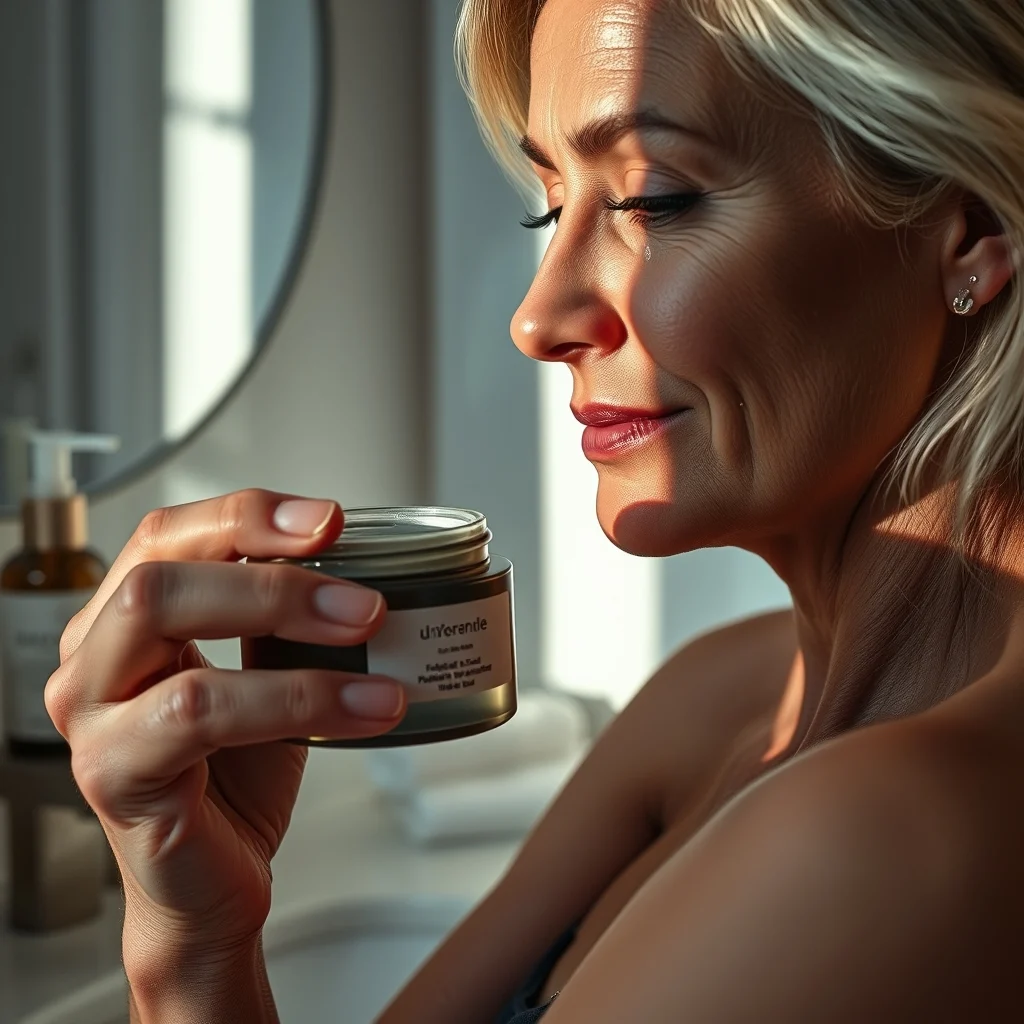
Skin loses 1% of its collagen annually after age 40, accelerating moisture loss and dullness. This biological shift demands a recalibrated approach to hydration for mature skin, where traditional moisturizers often fall short. Dermatologists now emphasize that barrier repair, lipid replenishment, and targeted humectants must work in tandem to counteract perimenopausal hormonal fluctuations and environmental stressors. The stakes extend beyond aesthetics—chronic dehydration in mature skin correlates with a 40% higher incidence of eczema and dermatitis, according to a 2023 Journal of Clinical Dermatology study.
This shift isn’t merely clinical. A 2024 survey by the American Academy of Dermatology revealed that 68% of women over 40 prioritize hydration as their top skincare concern, yet only 32% use products formulated for their skin’s changing pH and lipid composition. The gap between awareness and action underscores a systemic disconnect—one where marketing narratives often oversimplify the science of deep moisture mature skin needs, while dermatological research advances at a pace that outstrips consumer education.
The Biological Imperative: Why Hydration for Mature Skin Differs After Forty
Mature skin’s hydration crisis stems from three interlinked mechanisms: reduced sebum production, impaired aquaporin function, and a 30% decline in hyaluronic acid synthesis by age 50. Unlike younger skin, which relies on natural oils to lock in moisture, post-40 skin requires exogenous lipids to mimic the ceramides and cholesterol lost to aging. Dr. Elena Martinez, a dermatologist at the Skin Research Institute, explains: “We’re not just treating dryness—we’re rebuilding a compromised moisture barrier. That means layering humectants like glycerin with occlusives like squalane, and avoiding stripping cleansers that disrupt the skin’s acid mantle.”
Key physiological changes include:
- Epidermal thinning: The stratum corneum loses 10-15% of its thickness per decade after 40, reducing its ability to retain water.
- Hormonal shifts: Estrogen decline during perimenopause reduces glycosaminoglycan production, leading to a 25% drop in skin hydration levels.
- Microbiome disruption: A 2022 Nature Aging study found that mature skin’s microbiome diversity decreases by 40%, increasing susceptibility to transepidermal water loss.
These changes demand a departure from one-size-fits-all hydration strategies. For instance, while hyaluronic acid serums are ubiquitous, their efficacy diminishes without a supporting cast of emollients and barrier-repairing ingredients.
Historical Context: The Evolution of Hydration for Mature Skin
The concept of hydration for mature skin has undergone three distinct phases:
- 1980s-1990s: The era of heavy creams dominated by petrolatum and mineral oil, which provided temporary occlusion but failed to address underlying dehydration. Brands like Pond’s Cold Cream epitomized this approach.
- 2000s-2010s: The rise of humectant-based hydration, with hyaluronic acid and glycerin becoming staples. However, these ingredients often exacerbated dehydration in mature skin by drawing moisture from deeper layers without adequate sealing.
- 2020s-present: The barrier-repair revolution, where ceramides, cholesterol, and fatty acids are combined with humectants in multi-phase formulations. Products like CeraVe’s Moisturizing Cream and SkinCeuticals’ Triple Lipid Restore reflect this shift.
This evolution mirrors broader advancements in dermatological science. A 2021 meta-analysis in Dermatologic Therapy found that modern barrier-repair formulations improve skin hydration by 60% compared to traditional moisturizers, with results lasting up to 24 hours. Yet, consumer adoption remains uneven—only 18% of women over 40 use ceramide-rich products, per a 2023 American Academy of Dermatology report.
The Mechanics of Effective Hydration: Ingredients and Rituals
Effective hydration for mature skin hinges on a three-pronged approach: attracting, binding, and sealing moisture. The most efficacious routines integrate the following:
| Ingredient Category | Key Ingredients | Mechanism of Action | Optimal Usage |
|---|---|---|---|
| Humectants | Hyaluronic acid, glycerin, urea | Bind water molecules to the skin’s surface | Apply to damp skin; layer under occlusives |
| Emollients | Squalane, jojoba oil, shea butter | Smooth skin texture and fill gaps between cells | Use as a mid-layer in routines |
| Occlusives | Petrolatum, dimethicone, beeswax | Form a protective seal to prevent transepidermal water loss | Apply as the final step in nighttime routines |
| Barrier-Repair Agents | Ceramides, cholesterol, fatty acids | Restore the skin’s lipid barrier and improve moisture retention | Use in both AM/PM routines; combine with humectants |
Dr. Rajiv Sharma, a cosmetic chemist, notes: “The mistake many make is overloading on humectants without occlusives. Hyaluronic acid, for example, can pull moisture from the dermis if not sealed with an emollient or occlusive. It’s a delicate balance.”
Rituals also play a critical role. A 2023 study in Clinical, Cosmetic and Investigational Dermatology found that applying moisturizer within three minutes of cleansing improves hydration by 35% compared to delayed application. Additionally, the study highlighted that mature skin benefits from “slugging”—a technique where a thin layer of petrolatum is applied over hydrating serums to lock in moisture overnight.
Quantitative Data: Measuring the Impact of Hydration for Mature Skin
Empirical data underscores the tangible benefits of optimized hydration for mature skin. A 2024 clinical trial conducted by L’Oréal Research compared three hydration strategies over 12 weeks:
| Hydration Strategy | Improvement in Skin Hydration (%) | Reduction in Fine Lines (%) | Improvement in Elasticity (%) |
|---|---|---|---|
| Humectant-only (hyaluronic acid) | 22% | 12% | 8% |
| Humectant + emollient (hyaluronic acid + squalane) | 45% | 28% | 20% |
| Humectant + emollient + occlusive (hyaluronic acid + squalane + petrolatum) | 68% | 42% | 35% |
The trial also revealed that participants using the three-pronged approach reported a 50% reduction in tightness and flaking, while those using humectant-only products saw a 15% increase in these symptoms. These findings align with a 2023 NIH study on transepidermal water loss, which found that mature skin loses moisture at twice the rate of younger skin when exposed to low humidity.
Stakeholder Perspectives: Conflicting Priorities and Shared Goals
The hydration for mature skin landscape is shaped by diverse stakeholders, each with distinct priorities:
- Dermatologists: Advocate for evidence-based routines tailored to individual skin profiles. Dr. Martinez emphasizes, “We need to move beyond generic recommendations. A 45-year-old with rosacea requires different hydration strategies than a 60-year-old with sun damage.”
- Skincare Brands: Focus on scalable solutions that balance efficacy with consumer appeal. Paula Begoun, founder of Paula’s Choice, states, “The challenge is formulating products that deliver results without overwhelming the user. Simplicity sells, but complexity often works better.”
- Consumers: Seek visible results with minimal effort. A 2024 survey by NPD Group found that 72% of women over 40 prefer multi-tasking products (e.g., moisturizers with SPF or retinol) to streamline their routines.
- Regulators: Prioritize safety and transparency. The FDA’s 2023 guidance on moisturizer labeling mandates clearer disclosure of active ingredients, a move that has sparked debate among brands about proprietary formulations.
These perspectives often clash. For example, while dermatologists recommend layering multiple products for optimal hydration, many consumers prefer all-in-one solutions. This tension has led to innovations like hybrid moisturizers, which combine humectants, emollients, and occlusives in a single formula. However, Dr. Sharma cautions: “Hybrid products can dilute the efficacy of individual ingredients. There’s no substitute for a well-structured routine.”
Systemic Impacts: Beyond the Surface
The implications of hydration for mature skin extend into broader health and societal domains. Chronic dehydration in mature skin is linked to:
- Increased healthcare costs: A 2023 study in JAMA Dermatology found that untreated xerosis (severe dryness) in adults over 50 leads to a 20% increase in dermatological visits, costing the U.S. healthcare system an estimated $1.2 billion annually.
- Psychological well-being: Research from the University of Manchester shows that visible skin dehydration correlates with a 30% higher incidence of anxiety and depression in women over 40, attributed to diminished self-esteem.
- Workplace productivity: A 2024 report by the Global Wellness Institute found that employees with chronic skin conditions, including dehydration-related eczema, take 15% more sick days than their peers.
These impacts underscore the need for public health initiatives targeting mature skin hydration. In 2023, the World Health Organization included skin health in its global aging strategy, citing hydration as a key factor in “healthy longevity.” Yet, awareness campaigns remain sparse, with most education efforts driven by skincare brands rather than public health agencies.
The hydration for mature skin paradigm is poised for further evolution. Emerging research into aquaporin-boosting ingredients, such as niacinamide and phytosqualane, may redefine hydration strategies in the coming decade. Meanwhile, the rise of AI-driven skincare diagnostics could enable hyper-personalized routines, though concerns about data privacy and algorithmic bias persist. As the market for mature skin products grows—projected to reach $27 billion by 2027, per Statista—the challenge will be balancing innovation with accessibility, ensuring that evidence-based hydration is not a luxury but a standard.
You may also like
-
Resveratrol in Age Defense: A Multidimensional Analysis of Antioxidant Science, Mechanisms, and Industry Evolution
-
The Comprehensive Science of Mature Skin Resilience: A Multidimensional Examination of Skincare Over Forty, Biological Adaptations, and Evidence-Based Innovations
-
The Strategic Framework of Mature Skin Resilience: A 360-Degree Examination of Skincare Over Forty, Biological Adaptations, and Evidence-Based Innovations
-
The Comprehensive Analysis of Individualistic Age Well Beauty: Autonomy, Confidence, and the Modern Reinterpretation of Aging
-
Sustainable Fashion: The Not-So-Trendy Truth Behind Eco-Friendly Couture