
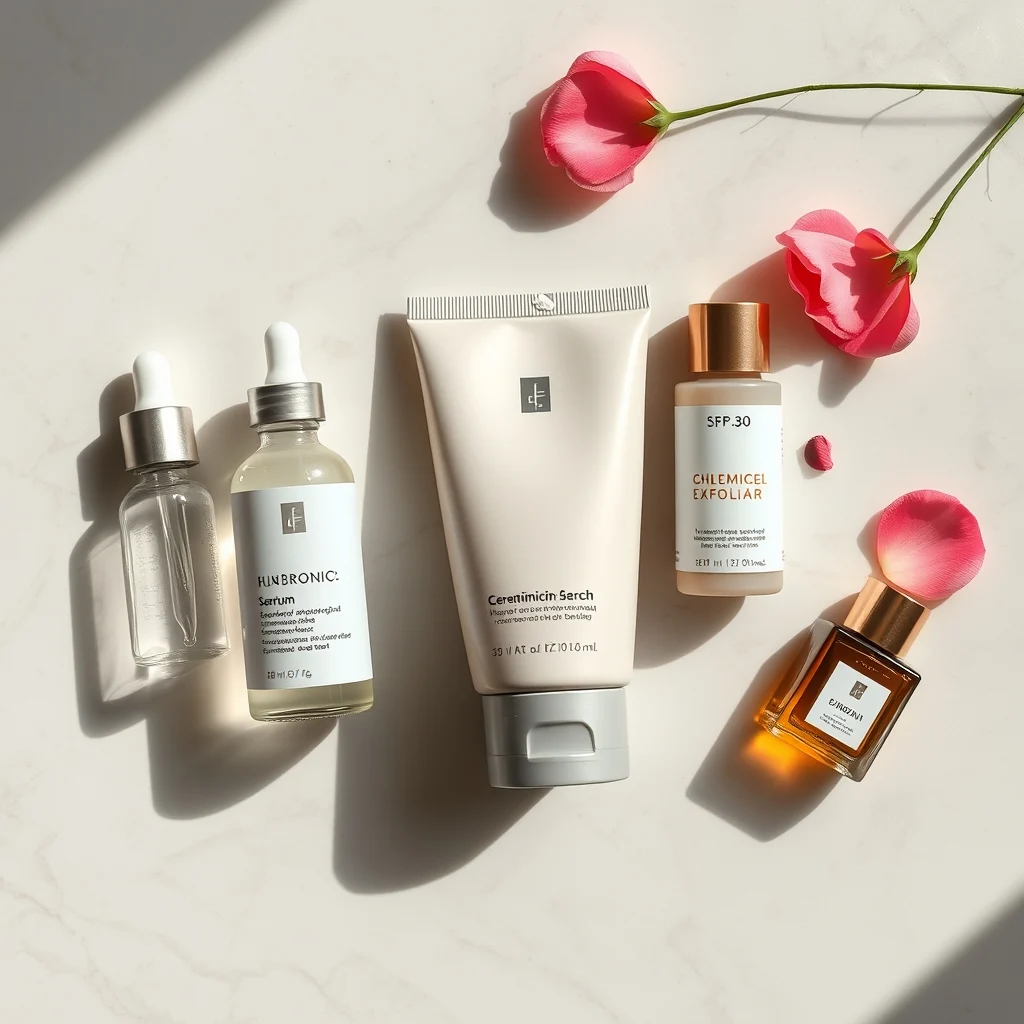
Navigating the world of **product recommendations for mature skin** can feel overwhelming, especially when you’re just starting out. With countless serums, creams, and treatments promising to turn back time, it’s easy to feel lost. The key lies in simplicity, consistency, and choosing the right products tailored to your skin’s unique needs—without breaking the bank or complicating your routine.
Whether you’re dealing with fine lines, uneven texture, or loss of elasticity, the right approach can make all the difference. This guide cuts through the noise to focus on what truly works, helping you build a foundation that honors your skin’s journey while keeping it healthy, hydrated, and radiant.
Understand Your Skin’s Unique Needs
Mature skin isn’t one-size-fits-all, and its needs evolve over time. Dryness, sensitivity, and reduced collagen production are common concerns, but they don’t define every routine. Start by assessing your skin’s current state: Does it feel tight, flaky, or overly oily? Does it react easily to new products? Observing these factors will guide your product choices, ensuring you prioritize what your skin truly craves.
For many, the shift from younger skin to mature skin involves a greater emphasis on hydration and gentle exfoliation. Ingredients like hyaluronic acid, ceramides, and niacinamide become staples, while harsh scrubs or alcohol-laden toners should take a backseat. The goal isn’t to overcorrect but to support your skin’s natural resilience.
Start with a Simple, Effective Routine
You don’t need a 10-step regimen to see results. In fact, less can often be more when it comes to mature skin care. Focus on a streamlined routine that includes cleansing, hydrating, and protecting—while incorporating one or two targeted treatments. A gentle cleanser removes impurities without stripping moisture, while a lightweight but nourishing moisturizer locks in hydration throughout the day.
Morning routines should prioritize sun protection, as UV damage accelerates aging. A broad-spectrum SPF of at least 30, applied daily, is non-negotiable. At night, consider a peptide-rich serum or a retinol alternative (like bakuchiol) to encourage cell turnover and collagen production. Layering these products thoughtfully ensures each one works synergistically, rather than competing for attention.
Hydration: The Cornerstone of Mature Skin
Hydration isn’t just about slathering on thick creams—it’s about replenishing your skin’s moisture barrier from within and without. Look for humectants like glycerin or hyaluronic acid to draw water into the skin, followed by emollients (such as squalane or shea butter) to seal it in. For extra dry or sensitive skin, a facial oil can provide an added layer of nourishment without clogging pores.
Don’t underestimate the power of environmental factors. Humidity levels, air conditioning, and even hot showers can strip your skin of its natural oils. Using a hydrating mist or a hydrating serum under makeup can help combat these daily stressors, keeping your skin plump and supple. Consistency is key—small, daily habits make a bigger impact than occasional intensive treatments.
Exfoliation: Gently Renew Without Irritation
Exfoliation helps slough off dead skin cells, revealing a fresher, more even-toned complexion. However, mature skin often requires a gentler approach. Chemical exfoliants, such as alpha hydroxy acids (AHAs) like lactic acid or beta hydroxy acids (BHAs) like salicylic acid, are ideal because they dissolve dead skin cells without physical abrasion. Start with a low concentration (5-10%) and use them 1-2 times a week to avoid irritation.
Physical exfoliants, like scrubs with large particles, can be too harsh and may cause micro-tears in the skin. If you’re new to exfoliation, opt for a mild chemical exfoliant and gradually introduce it into your routine. Always follow up with a hydrating moisturizer to soothe and protect your skin. The goal is to refresh, not to overwhelm.
Protect and Prevent: The Power of Prevention
While treating existing signs of aging is important, prevention is equally crucial. Sun damage is one of the leading causes of premature aging, contributing to wrinkles, sunspots, and loss of elasticity. Even if you’ve been diligent in the past, it’s never too late to start protecting your skin. Reapply SPF throughout the day, especially if you’re spending time outdoors, and consider wearing a wide-brimmed hat for extra defense.
Antioxidants also play a vital role in prevention. Ingredients like vitamin C, green tea extract, and ferulic acid help neutralize free radicals caused by pollution and UV exposure. Incorporating an antioxidant serum into your morning routine can fortify your skin’s defenses, keeping it looking youthful and resilient for years to come.
Build Confidence Through Small Wins
Caring for mature skin is a journey, not a race. Celebrate the small victories—whether it’s your skin feeling softer after a week of hydration or noticing a slight reduction in fine lines. Confidence grows when you focus on what your skin *can* achieve, rather than what it can’t. Remember, aging gracefully isn’t about erasing signs of time but embracing them with the right tools and mindset.
If you’re unsure where to start, begin with one or two products that address your top concerns. Over time, you can expand your routine as you learn what works best for you. The most important thing is to stay consistent and patient. Your skin’s health and radiance are worth the investment.
Ready to take the first step? Start this week by adding a hydrating serum and SPF to your daily routine. Your future self will thank you.
Learn more about skin care basics from trusted sources to further refine your approach.
You may also like
-
Mature Skin Care: Quick Tips for Busy People
-
Product Recommendations for Mature Skin: A Barrier-First Guide to Effortless Radiance
-
Product Recommendations for Mature Skin: A Peptide & Regenerative Actives Deep Dive
-
Product Recommendations for Mature Skin: A Budget-Friendly Guide to Radiant Aging
-
Product Recommendations for Mature Skin: A Glass Skin 2.0 K-Beauty Guide