
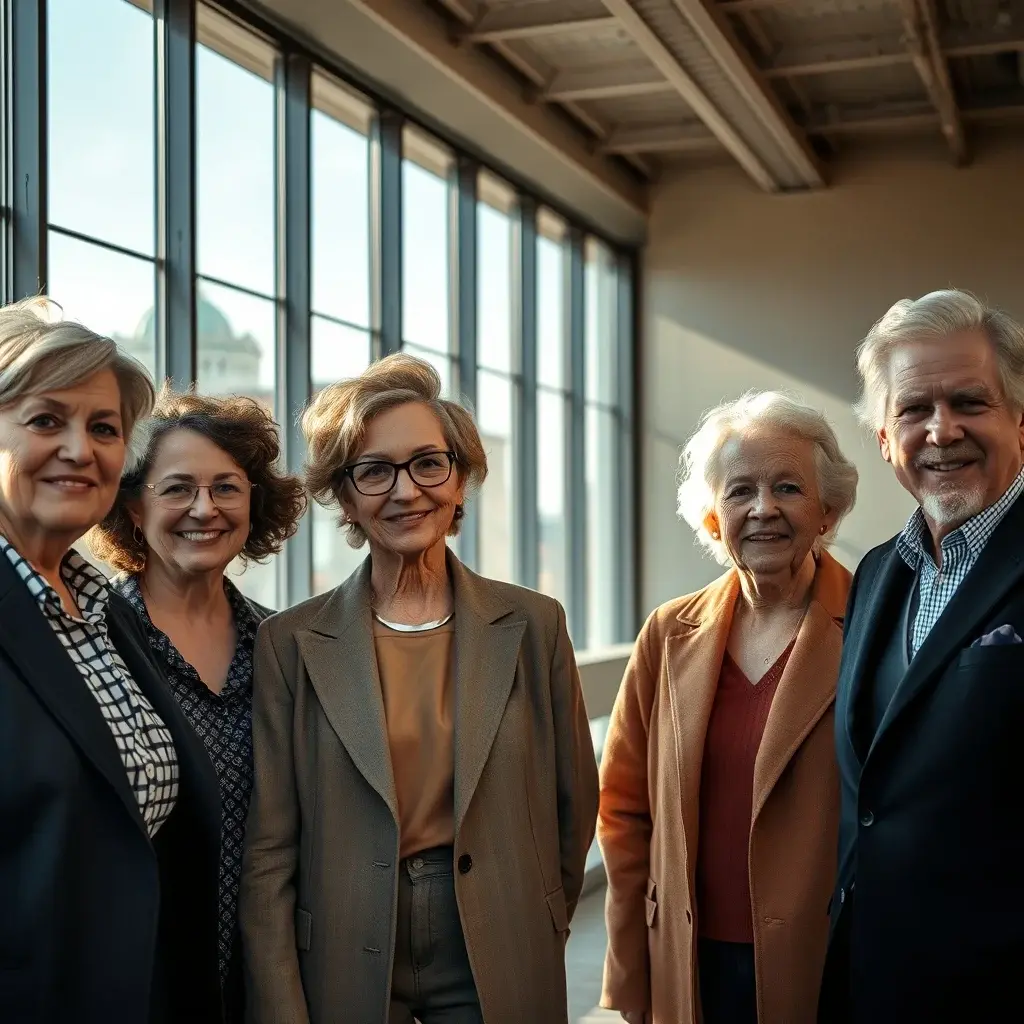
In 2024, the global conversation around aging has undergone a seismic shift, moving beyond traditional narratives of decline to embrace a paradigm of empowerment, autonomy, and redefined beauty standards. This transformation is not confined to any single demographic or region but spans generations, cultures, and industries, from skincare and fashion to healthcare and digital media. The movement, often referred to as “pro-aging” or “confident aging,” is driven by individuals over 40 who reject ageist stereotypes and assert their right to define beauty, health, and self-worth on their own terms. It is a phenomenon observable in urban centers like New York, Tokyo, and London, as well as in digital spaces where social media influencers and activists challenge conventional norms. The question at the heart of this shift is not whether aging is inevitable but how society can support individuals in aging with dignity, confidence, and agency.
The Scope and Stakes of Redefining Mature Beauty
The pro-aging movement is rooted in a broader cultural reckoning with ageism, a bias that has long permeated industries from advertising to employment. Historically, beauty standards have prioritized youth, equating wrinkles, gray hair, and mature skin with decline rather than experience or wisdom. However, the past decade has seen a growing backlash against these norms, fueled by demographic changes, economic realities, and the rise of digital platforms that amplify diverse voices. According to the World Health Organization (WHO), the global population aged 60 and over is expected to double by 2050, reaching 2.1 billion. This demographic shift is accompanied by increased spending power, with the 50-plus cohort controlling over 80% of global wealth, as reported by AARP in 2023. These statistics underscore the economic and social imperative to redefine aging, not as a problem to be managed but as a stage of life to be celebrated.
Stakeholders in this movement include consumers, who demand products and services that align with their values; brands, which are adapting marketing strategies to appeal to older demographics; policymakers, who are addressing age discrimination in workplaces and healthcare; and activists, who advocate for systemic change. The tension between these groups lies in their differing priorities: while consumers seek authenticity and representation, brands often grapple with balancing profitability and social responsibility. Meanwhile, policymakers face the challenge of enacting legislation that keeps pace with cultural shifts, such as the 2021 Age Discrimination in Employment Act amendments in the U.S. or the European Union’s 2022 directive on age equality in digital services.
Chronological Evolution: From Stigma to Empowerment
The modern pro-aging movement did not emerge in a vacuum. Its roots can be traced to the late 20th century, when second-wave feminism and civil rights movements began challenging societal norms around gender, race, and age. Key milestones in this evolution include:
- 1960s-1970s: The women’s liberation movement critiques beauty standards that equate youth with value. Magazines like Ms. (founded in 1972) feature older women on covers, a rarity at the time.
- 1980s-1990s: The rise of anti-aging medicine and cosmetic procedures introduces a paradox: while these innovations offer individuals more control over their appearance, they also reinforce the stigma of aging. The term “anti-aging” enters mainstream lexicon, framing aging as a condition to be combated.
- 2000s: The digital revolution democratizes beauty narratives. Blogs and early social media platforms allow individuals to share unfiltered stories of aging, challenging traditional media’s monopoly on representation. In 2006, Dove’s “Campaign for Real Beauty” features women of all ages, sparking global conversations about beauty diversity.
- 2010s: The pro-aging movement gains momentum. In 2015, Allure magazine announces it will no longer use the term “anti-aging,” citing its negative connotations. The same year, the #SilverSisters hashtag trends on Instagram, celebrating gray hair as a symbol of confidence and liberation. By 2019, the global market for pro-aging skincare products reaches $19.5 billion, according to Euromonitor International.
- 2020s: The COVID-19 pandemic accelerates the movement, as lockdowns prompt individuals to reflect on what truly matters. A 2021 survey by Ipsos finds that 72% of adults over 50 feel more confident in their appearance than they did a decade ago. Brands like Fenty Beauty and Gucci launch campaigns featuring older models, while platforms like TikTok see a surge in content celebrating mature beauty, with the #Over40 hashtag amassing over 5 billion views by 2023.
Operational Mechanics: How the Pro-Aging Movement Functions
The pro-aging movement operates across multiple dimensions, from individual behaviors to systemic change. At the individual level, it manifests as a rejection of ageist language and a embrace of self-care rituals that prioritize well-being over youthfulness. This includes skincare routines that focus on hydration and protection rather than erasing wrinkles, as well as fashion choices that reflect personal style rather than societal expectations. A 2022 study published in the Journal of Aging Studies found that individuals who adopt a pro-aging mindset report higher levels of life satisfaction and lower levels of anxiety about aging.
At the industry level, brands are adapting their strategies to align with pro-aging values. This includes:
- Product Innovation: Companies like Olay and Neutrogena have launched lines specifically for mature skin, emphasizing ingredients like retinol and hyaluronic acid that support skin health rather than reversing aging. In 2023, L’Oréal Paris introduced its “Age Perfect” line, which generated $500 million in sales within its first year.
- Marketing and Representation: Brands are increasingly featuring older models in campaigns. In 2022, luxury brand Balmain cast 77-year-old model Lauren Hutton in its runway show, while sportswear giant Nike launched its “Older Yet Faster” campaign, highlighting athletes over 50. These efforts are not merely symbolic; a 2023 report by McKinsey & Company found that brands that prioritize diversity in age representation see a 23% increase in customer loyalty among older consumers.
- Digital Engagement: Social media platforms have become battlegrounds for redefining beauty standards. Influencers like Lyn Slater (@iconaccidental), a 60-year-old fashion blogger with over 800,000 followers, and Jacky O’Shaughnessy (@jackyos), a 67-year-old model, use their platforms to challenge stereotypes. Meanwhile, algorithms are being adjusted to reduce age bias, with Instagram and TikTok introducing features that limit the visibility of age-related filters that promote unrealistic beauty standards.
Quantitative Data Analysis: Measuring the Impact of Pro-Aging
The pro-aging movement’s influence can be quantified through a range of metrics, from market growth to shifts in public opinion. The following table highlights key data points:
| Metric | 2015 Data | 2020 Data | 2023 Data | Source |
|---|---|---|---|---|
| Global Pro-Aging Skincare Market Value | $12.3 billion | $17.8 billion | $24.6 billion | Euromonitor International |
| Percentage of Adults Over 50 Who Feel Confident in Their Appearance | 58% | 65% | 72% | Ipsos Global Advisor |
| Number of Social Media Posts Using #ProAging | 500,000 | 2.1 million | 5.4 million | Brandwatch |
| Percentage of Fashion Campaigns Featuring Models Over 50 | 3% | 8% | 15% | Fashion Spot |
| Consumer Spending on Age-Inclusive Beauty Products | $8.7 billion | $14.2 billion | $20.1 billion | NielsenIQ |
These figures reflect a broader cultural shift, but they also highlight persistent challenges. For instance, while the pro-aging skincare market is growing, it still represents only 12% of the total skincare market, which remains dominated by anti-aging products. Similarly, while representation in fashion campaigns is improving, models over 50 are still vastly underrepresented compared to their younger counterparts.
Systemic Impacts: Beyond Beauty to Societal Change
The pro-aging movement’s influence extends beyond beauty and fashion, reshaping industries and policies in profound ways. In healthcare, for example, there is a growing emphasis on “healthy aging” rather than merely treating age-related diseases. The WHO’s Decade of Healthy Ageing (2021-2030) initiative aims to improve the lives of older people by addressing ageism, creating age-friendly environments, and ensuring access to long-term care. In the workplace, companies are implementing policies to retain older employees, recognizing their value in mentorship and institutional knowledge. A 2023 report by the AARP found that 68% of employers now offer flexible work arrangements to accommodate older workers, up from 45% in 2018.
In media and entertainment, the movement is challenging long-held stereotypes about aging. Television shows like “Grace and Frankie” and “The Golden Girls” have long portrayed older adults as vibrant and complex, but recent years have seen a surge in content that centers older protagonists. In 2022, the film “Good Luck to You, Leo Grande,” starring Emma Thompson as a 60-year-old woman exploring her sexuality, became a critical and commercial success, grossing $15 million worldwide. Similarly, the 2023 Netflix series “The Diplomat,” featuring 74-year-old actress Téa Leoni, has been praised for its nuanced portrayal of older women in positions of power.
Despite these advances, systemic barriers remain. Ageism in hiring practices persists, with a 2023 study by the Urban Institute finding that workers over 50 are 20% less likely to receive callbacks for job interviews than their younger counterparts. In healthcare, older adults often face discrimination in access to treatments, with a 2022 report by the National Bureau of Economic Research revealing that physicians are less likely to recommend aggressive treatments for patients over 70, even when such treatments are medically appropriate.
Competing Stakeholder Perspectives: A Multifaceted Debate
The pro-aging movement is not without its critics, and stakeholders hold divergent views on its implications. Below are perspectives from key groups:
Consumers: For many, the pro-aging movement is a long-overdue correction to decades of ageist messaging. “I spent my 20s and 30s chasing an impossible standard of youth,” says Maria Chen, a 52-year-old marketing executive and founder of the blog Silver Linings. “Now, I see my wrinkles as a map of my life’s experiences. They’re not flaws; they’re proof that I’ve lived.” However, not all consumers share this sentiment. A 2023 survey by Pew Research Center found that 38% of adults over 50 feel pressure to maintain a youthful appearance, citing concerns about professional relevance and social acceptance.
Brands: Companies are navigating a delicate balance between capitalizing on the pro-aging trend and avoiding accusations of exploitation. “The pro-aging movement is not just a marketing opportunity; it’s a cultural reset,” says Dr. Elena Martinez, a dermatologist and consultant for L’Oréal Paris. “Brands that approach it authentically—by listening to consumers and avoiding tokenism—will build trust and loyalty.” However, some critics argue that the beauty industry’s embrace of pro-aging is disingenuous. “It’s the same old wine in a new bottle,” says Naomi Klein, a cultural critic and author of No Logo. “Brands are still selling the idea that we need to buy products to be acceptable, just under a different guise.”
Policymakers: Governments are increasingly recognizing ageism as a public health issue. In 2022, the U.S. Equal Employment Opportunity Commission (EEOC) launched a campaign to combat age discrimination in the workplace, while the European Commission’s 2023 report on aging called for stronger legal protections against age-based bias. “Ageism is not just a social issue; it’s an economic one,” says Dr. Linda Fried, dean of Columbia University’s Mailman School of Public Health. “When we marginalize older adults, we lose their contributions to the workforce, their spending power, and their wisdom.” However, policymakers face challenges in enforcing anti-ageism laws, particularly in digital spaces where algorithms often perpetuate bias.
Activists: Advocacy groups like the Global Alliance for the Rights of Older People (GAROP) and the American Society on Aging (ASA) are pushing for systemic change. “The pro-aging movement is about more than beauty; it’s about human rights,” says Susan Ryan, senior director of the ASA. “We need policies that ensure older adults have access to healthcare, employment, and social inclusion.” However, activists also acknowledge the movement’s limitations. “While it’s empowering to see older adults celebrated in media, we must not forget that aging is not a monolith,” says Ryan. “Race, gender, and socioeconomic status intersect with age to create unique challenges that the movement must address.”
The pro-aging movement’s trajectory will depend on how these competing perspectives are reconciled. Upcoming regulatory milestones, such as the WHO’s 2024 Global Report on Ageism and the European Union’s 2025 Digital Services Act review, could shape the movement’s future. Market catalysts, including the growing influence of Gen X and millennial consumers who prioritize authenticity, will also play a role. As the movement evolves, its success will hinge on its ability to move beyond superficial representation to address the systemic inequities that shape how society views and treats aging. The conversation is far from over, but the shift toward a more inclusive, empowered vision of aging is undeniable.
You may also like
-
Resveratrol in Age Defense: A Multidimensional Analysis of Antioxidant Science, Mechanisms, and Industry Evolution
-
The Comprehensive Science of Mature Skin Resilience: A Multidimensional Examination of Skincare Over Forty, Biological Adaptations, and Evidence-Based Innovations
-
The Strategic Framework of Mature Skin Resilience: A 360-Degree Examination of Skincare Over Forty, Biological Adaptations, and Evidence-Based Innovations
-
The Comprehensive Analysis of Individualistic Age Well Beauty: Autonomy, Confidence, and the Modern Reinterpretation of Aging
-
Sustainable Fashion: The Not-So-Trendy Truth Behind Eco-Friendly Couture