
“`json
{
“aigenerated_title”: **”Mature Skin Ingredients Guide: A Barrier-First, Skinimalism Approach”**
“aigenerated_content”:
“`html
Struggling to find the right mature skin ingredients guide that actually works for your skin’s evolving needs? Many skincare routines overcomplicate the process, leaving behind the most essential step: repairing and strengthening your skin barrier. If you’re tired of layering products that don’t deliver—or worse, cause irritation—it’s time to simplify. This guide focuses on a minimalist, barrier-first approach, helping you prioritize what truly matters for resilient, youthful-looking skin without the clutter.
As skin matures, it naturally loses elasticity, hydration, and the ability to retain moisture efficiently. The skin barrier, a protective shield made of lipids, ceramides, and proteins, weakens over time, leading to dryness, sensitivity, and fine lines. Rather than chasing quick fixes with trendy actives, a barrier-first strategy addresses the root cause: restoring balance and function. This method ensures that your skin can better absorb and benefit from other ingredients while reducing irritation and redness.
Think of your skin barrier like a brick wall—if the mortar (lipids and ceramides) is crumbling, no amount of paint (serums or moisturizers) will hide the damage. Strengthening this foundation allows other actives to work more effectively, making your routine both simpler and more effective. The key is consistency, not complexity.
The Core Ingredients for a Strong Skin Barrier
Not all ingredients are created equal when it comes to barrier repair. Focus on a few powerhouse components that work synergistically to restore hydration and elasticity. Ceramides, for instance, are lipid molecules that help lock in moisture and prevent environmental damage. Look for ceramides labeled as Ceramide NP, AP, or EOP—they closely mimic the skin’s natural lipids. Pair them with cholesterol and fatty acids (like linoleic acid) to further reinforce the barrier.
Hyaluronic acid is another staple, but its role is often misunderstood. While it’s fantastic for hydration, it works best when the barrier is intact. Use it in a serum or essence layer to plump the skin, but follow up with a barrier-repairing moisturizer to seal it in. Avoid overloading your skin with too many hydrating ingredients at once, as this can overwhelm a compromised barrier.
For extra support, incorporate niacinamide (vitamin B3), which enhances barrier function, reduces redness, and regulates oil production—ideal for mature skin that may experience uneven texture. It’s a versatile ingredient that plays well with others without causing irritation, making it perfect for a skinimalist routine.
How to Simplify Your Routine Without Sacrificing Results
The beauty of a barrier-first approach is that it doesn’t require a long list of products. In fact, fewer ingredients mean less risk of irritation and more room for results. Start with a gentle cleanser that doesn’t strip the skin of its natural oils, followed by a lightweight serum with ceramides or niacinamide. Top it off with a rich, occlusive moisturizer to lock everything in.
Skip the layering of multiple serums unless you’re targeting specific concerns, like dark spots or deep wrinkles. Instead, focus on one or two actives per step—such as retinol (used sparingly, 2–3 times a week) or peptide serums—to avoid overwhelming your skin. Remember, mature skin benefits from patience and gradual improvement rather than aggressive treatments.
If you’re using actives like retinol or vitamin C, introduce them slowly to avoid purging or sensitivity. Always follow up with a barrier-repairing moisturizer to mitigate any potential irritation. The goal is to enhance your skin’s natural resilience, not push it to adapt to harsh ingredients.
Common Mistakes That Weaken the Skin Barrier
Even with the best intentions, it’s easy to unintentionally damage the skin barrier. Over-exfoliating, whether through physical scrubs or chemical exfoliants like AHAs/BHAs, can strip away protective lipids, leaving skin vulnerable. Limit exfoliation to 1–2 times a week and always follow with a hydrating or repairing treatment.
Another mistake is using fragranced or alcohol-based products, which can disrupt the skin’s pH balance and trigger inflammation. Opt for fragrance-free, pH-balanced formulations, especially if your skin is sensitive or prone to redness. Even “natural” ingredients like citrus extracts can be irritating when overused.
Lastly, skipping sunscreen is a surefire way to accelerate barrier damage. UV exposure breaks down collagen and ceramides, weakening the skin’s ability to retain moisture and repair itself. A broad-spectrum SPF 30 or higher should be a non-negotiable part of your daily routine, even on cloudy days.
Barrier-First Skincare: A Sample Routine for Busy Mornings and Nights
Mornings should focus on protection and hydration. Start with a hydrating micellar water or gentle cleanser, followed by a few drops of hyaluronic acid serum. Apply a lightweight moisturizer with ceramides, then seal with a broad-spectrum SPF 30 or higher. This routine takes less than 5 minutes and sets your skin up for the day.
Evenings can be a bit more involved but still simple. Double cleanse with an oil-based cleanser followed by your gentle cleanser to remove sunscreen and impurities. Apply a peptide or retinol serum 2–3 times a week (alternate nights if using both), then follow with a thicker moisturizer containing ceramides and cholesterol. This helps repair overnight while you rest.
Weekends are perfect for adding a hydrating mask or a barrier-repairing treatment, like a lipid-rich balm. Keep it consistent but flexible—your skin’s needs may change with the seasons, so adjust as needed without overcomplicating.
For those with specific concerns, like deep wrinkles or loss of volume, consider adding a professional-grade treatment like PDRN (Polypeptide-Derived Regenerative Nutrition) or biotech peptides under the guidance of a dermatologist. These ingredients can stimulate collagen production and improve skin density, but they work best when the barrier is already strong.
Your skin’s journey doesn’t have to be overwhelming. By focusing on a few key ingredients and a barrier-first mindset, you’ll see improvements in texture, hydration, and overall resilience. The secret isn’t in the number of products you use, but in how well they work together to support your skin’s natural functions. Start small, stay consistent, and let your skin thrive on its own terms.
“`
“aigenerated_tags”:
“mature skin care, barrier repair, skinimalism skincare, ceramide moisturizer, niacinamide for sensitive skin, anti-aging routine, gentle skincare ingredients, hydrating serum, retinol for mature skin, SPF for anti-aging”
“image_prompt”:
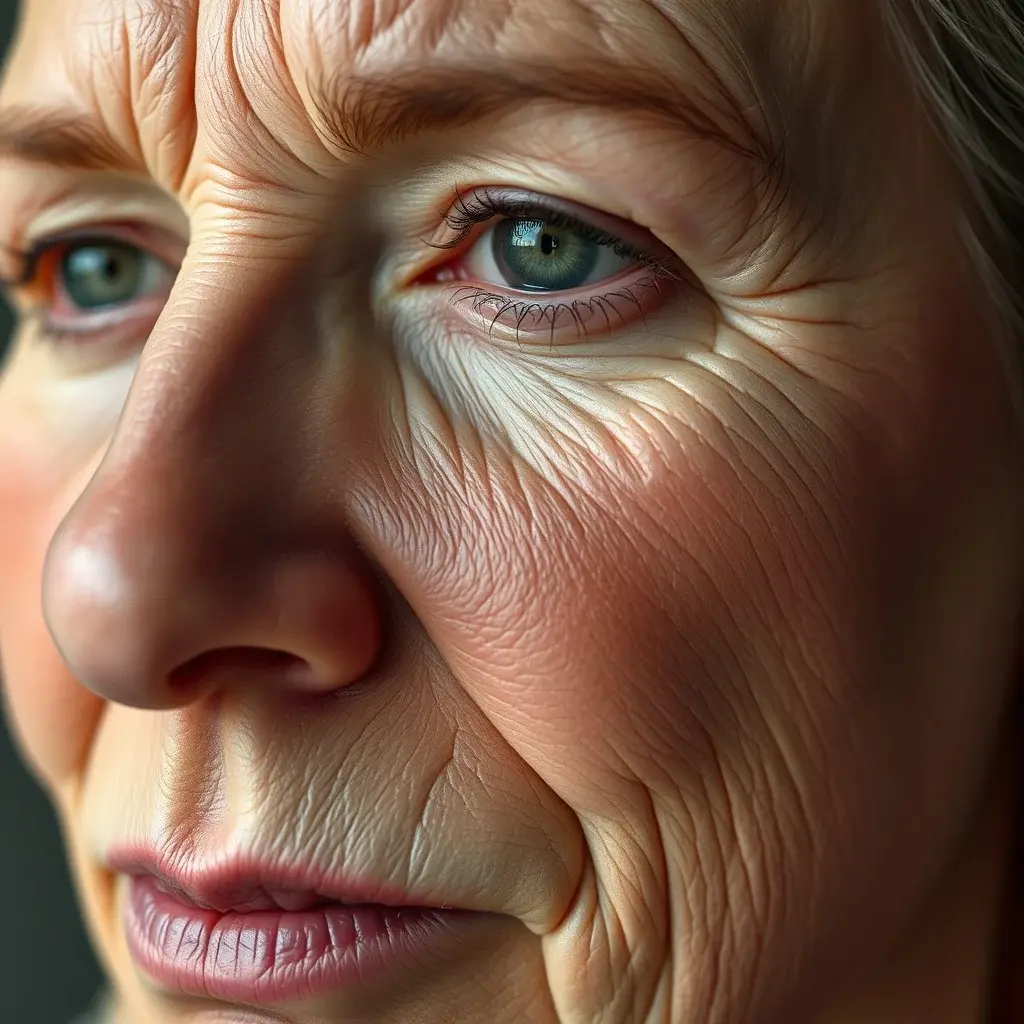
“A close-up portrait of a person in their 40s with radiant, dewy skin, showcasing a smooth complexion with minimal visible pores and fine lines. The lighting is soft and natural, highlighting a healthy glow. The background is softly blurred with earthy tones, emphasizing the skin’s texture. The person appears calm and confident, subtly touching their cheek to emphasize the skin’s elasticity and hydration. The image conveys a sense of renewal and resilience, with a focus on natural beauty and minimalist skincare.”
“image_keywords”:
“glowing mature skin closeup”
}
“`