
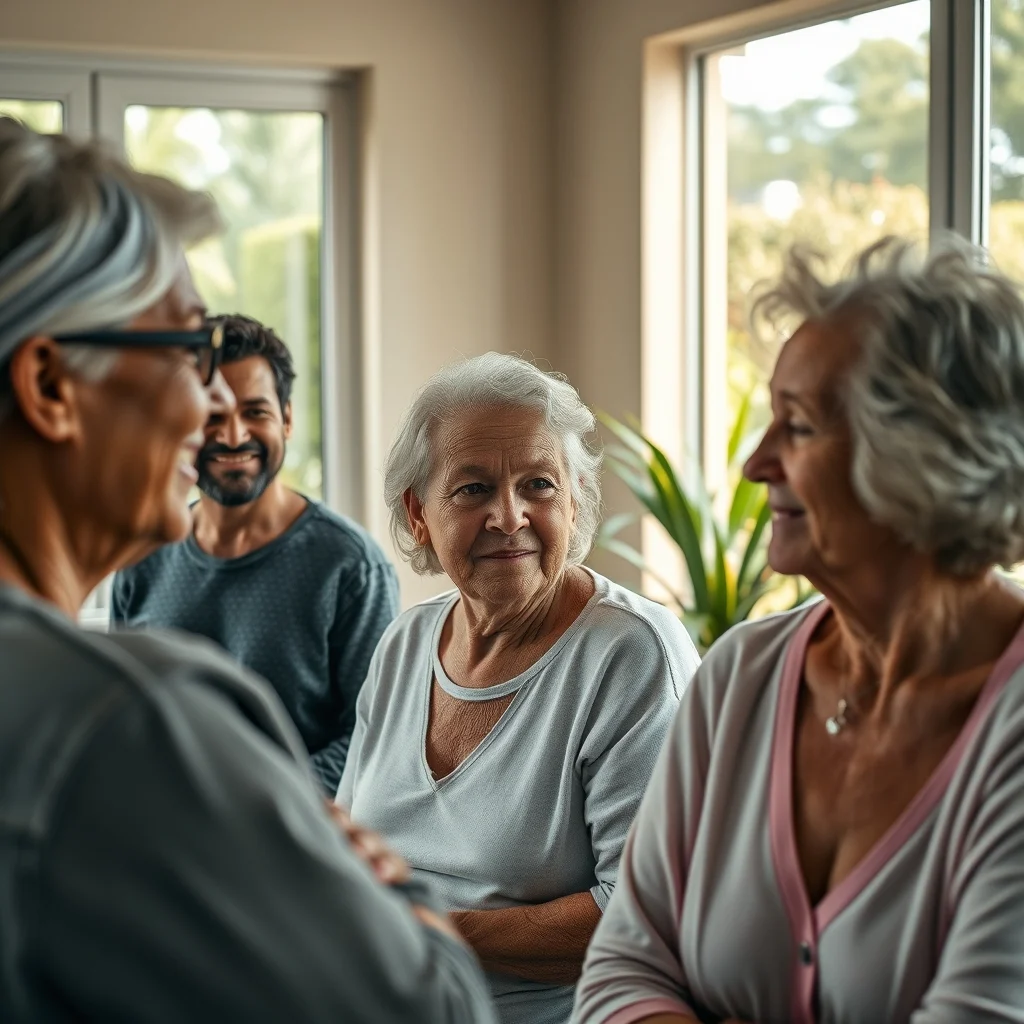
In 2024, the global population of adults aged 50 and older reached 2.5 billion, a demographic shift that has redefined cultural narratives around aging, beauty, and self-perception. This transformation is not confined to any single region; it spans North America, Europe, and Asia, where increasing life expectancy and declining birth rates have accelerated the growth of older populations. The movement to age on one’s own terms—characterized by a rejection of traditional aging stereotypes and an embrace of individualistic beauty standards—has gained momentum, driven by social media, advancements in dermatological science, and a generational demand for autonomy. The phenomenon is not merely aesthetic; it intersects with economic, psychological, and public health domains, challenging long-held assumptions about what it means to grow older.
The concept of aging on one’s own terms emerged as a counter-narrative to the youth-centric beauty ideals that dominated the 20th century. Historically, aging was framed as a decline, with societal expectations dictating that older adults conform to passive, asexual, or invisible roles. However, the rise of the pro-aging movement in the early 2000s, coupled with the influence of digital platforms like Instagram and TikTok, has enabled older adults to reclaim agency over their appearance and identity. Key stakeholders in this shift include beauty brands, healthcare providers, policymakers, and older adults themselves, each playing a distinct role in shaping the discourse. Beauty companies, for instance, have pivoted from anti-aging marketing to campaigns celebrating “timeless self-confidence,” while dermatologists and plastic surgeons report a surge in older patients seeking treatments not to erase age but to enhance their natural features.
The Historical Evolution of Aging Perceptions
The perception of aging has undergone significant transformations over the past century. In the early 1900s, life expectancy in the United States was 47 years, and aging was often associated with frailty and irrelevance. By the mid-20th century, medical advancements extended lifespans, but societal attitudes remained rooted in ageism. A 1969 study published in The Gerontologist found that 77% of Americans over 65 reported experiencing age-based discrimination, a statistic that has only marginally improved. The 1980s and 1990s saw the rise of the anti-aging industry, which positioned aging as a problem to be solved through products like wrinkle creams, hair dyes, and surgical procedures. This era solidified the idea that youth equaled beauty, a narrative that persisted until the early 2000s.
The turning point came in 2015, when the World Health Organization (WHO) released a report titled Ageism in a Digital World, highlighting the pervasive negative stereotypes faced by older adults. The same year, social media platforms began amplifying voices of older influencers like Lyn Slater (@iconaccidental), who challenged conventional beauty standards. By 2020, the global pro-aging market was valued at $21.6 billion, according to Grand View Research, with projections indicating a compound annual growth rate (CAGR) of 6.8% through 2030. This growth reflects a broader cultural shift, one that prioritizes authenticity over conformity.
- 1920s-1950s: Aging perceived as a natural but undesirable process; limited medical interventions available.
- 1960s-1980s: Rise of anti-aging products; youth culture dominates beauty standards.
- 1990s-2000s: Introduction of cosmetic procedures; aging framed as a medical condition.
- 2010s-Present: Pro-aging movement gains traction; social media enables older adults to redefine beauty norms.
The Mechanics of Aging on Your Own Terms
Aging on one’s own terms is not a monolithic experience; it encompasses a spectrum of practices, from skincare routines to lifestyle choices, all aimed at fostering confidence and autonomy. At its core, the movement emphasizes three pillars: self-acceptance, informed decision-making, and community support. Dermatologists note that older adults are increasingly seeking treatments like microneedling and laser therapy not to reverse aging but to maintain healthy skin. Dr. Jeanette Graf, a board-certified dermatologist and assistant clinical professor at Mount Sinai School of Medicine, explains, “Patients in their 50s and 60s are coming in with a different mindset. They’re not asking for a 20-year-old face; they want to look like the best version of themselves.”
Skincare routines have also evolved. A 2023 survey by the American Academy of Dermatology found that 62% of adults over 50 use products containing retinol or peptides, not to erase wrinkles but to improve skin texture and hydration. The shift is evident in the beauty industry’s marketing strategies. Brands like Olay and L’Oréal have replaced terms like “anti-aging” with phrases like “age-positive” and “pro-aging,” reflecting a broader cultural recalibration. Meanwhile, the rise of “gray hair confidence” has led to a 40% increase in sales of silver hair care products since 2020, per data from NielsenIQ.
Beyond aesthetics, aging on one’s own terms extends to lifestyle choices. A study published in The Journals of Gerontology in 2022 found that older adults who engaged in regular physical activity, social connections, and cognitive challenges reported higher levels of life satisfaction. The study’s lead author, Dr. Laura Carstensen, director of the Stanford Center on Longevity, states, “Aging well is not just about appearance; it’s about maintaining agency over one’s life. The people who thrive are those who adapt, not those who resist change.”
Quantitative Data: The Economics and Demographics of Pro-Aging
The pro-aging movement is not just a cultural phenomenon; it is an economic force. The global market for age-positive beauty products is expected to reach $32.7 billion by 2027, according to a report by Allied Market Research. This growth is driven by several factors, including the increasing purchasing power of older adults and the rise of direct-to-consumer brands catering to mature skin. The following table highlights key market segments and their projected growth:
| Market Segment | 2023 Market Value (USD Billion) | Projected 2027 Value (USD Billion) | CAGR (2023-2027) |
|---|---|---|---|
| Skincare | 12.4 | 18.9 | 11.2% |
| Hair Care | 5.6 | 8.2 | 9.8% |
| Cosmetics | 3.2 | 4.7 | 10.1% |
| Wellness Supplements | 2.8 | 4.1 | 9.9% |
| Non-Surgical Procedures | 7.6 | 11.3 | 10.5% |
Demographically, the movement is most pronounced among women aged 45-65, who account for 68% of pro-aging product consumers, per a 2023 report by McKinsey & Company. However, men are increasingly participating, with a 25% year-over-year growth in the male grooming market for products targeting mature skin. The data also reveals regional variations. In Asia, where cultural attitudes toward aging have historically been more rigid, the pro-aging market is growing at a CAGR of 14.3%, outpacing North America (8.7%) and Europe (7.2%). This disparity is attributed to the influence of K-beauty and J-beauty trends, which emphasize skin health over youth.
Public health data further underscores the movement’s impact. A 2024 study by the National Institute on Aging found that older adults who reported high levels of self-acceptance had a 30% lower risk of depression and a 20% lower risk of chronic diseases like hypertension and diabetes. The study’s findings suggest that psychological well-being plays a critical role in physical health, challenging the notion that aging is solely a biological process.
Systemic Impacts: From Policy to Public Perception
The pro-aging movement has far-reaching implications beyond individual choices, influencing policy, media representation, and workplace dynamics. In 2023, the European Union passed the Age Equality Directive, which prohibits age-based discrimination in advertising and employment. The directive was a response to growing concerns about the underrepresentation of older adults in media and the workplace. Similarly, in the United States, the Age Discrimination in Employment Act (ADEA) has seen renewed enforcement, with the Equal Employment Opportunity Commission (EEOC) reporting a 15% increase in age discrimination complaints since 2020.
Media representation has also evolved. A 2024 analysis by the Geena Davis Institute on Gender in Media found that 28% of advertisements featured adults over 50, up from 12% in 2015. However, the study also noted that older adults were often portrayed in stereotypical roles, such as grandparents or retirees, rather than as dynamic, multifaceted individuals. This disconnect highlights the ongoing tension between progress and persistent biases. As Dr. Ashton Applewhite, author of This Chair Rocks: A Manifesto Against Ageism, observes, “We’ve made strides in visibility, but we’re still a long way from true representation. Aging is not a monolith, and neither are the people who experience it.”
The workplace is another arena where the pro-aging movement is making an impact. A 2023 survey by AARP found that 72% of workers over 50 believe their age is an asset, citing experience, reliability, and emotional intelligence as key strengths. However, the same survey revealed that 61% of older workers had witnessed or experienced age discrimination in the workplace. This paradox underscores the need for systemic change, including policies that promote intergenerational collaboration and combat ageist hiring practices.
Stakeholder Perspectives: Conflicting Priorities and Shared Goals
The pro-aging movement is not without its critics, and stakeholder perspectives vary widely. Beauty brands, for instance, walk a fine line between celebrating aging and capitalizing on insecurities. While companies like Dove and Aveda have launched campaigns promoting “real beauty” at every age, others continue to market products with subtle anti-aging messaging. Sarah Jones, a marketing director at a leading skincare brand, acknowledges the challenge: “Consumers want authenticity, but they also want results. The key is to strike a balance—celebrating aging while offering products that enhance, not erase, natural features.”
Healthcare providers, too, offer divergent viewpoints. Some dermatologists and plastic surgeons argue that the pro-aging movement has led to unrealistic expectations, with patients seeking treatments that promise “natural” results but still adhere to youthful ideals. Dr. Michael Kane, a board-certified plastic surgeon, notes, “There’s a fine line between enhancing and altering. Patients often say they want to look ‘refreshed,’ but what they really mean is ‘younger.’ The pro-aging narrative hasn’t fully erased that desire.”
Older adults themselves are not a homogeneous group. While many embrace the pro-aging ethos, others feel pressured to conform to new standards of “successful aging.” A 2024 study by the Pew Research Center found that 45% of adults over 65 feel that the emphasis on aging well places undue stress on older populations. The study’s author, Dr. Juliana Horowitz, explains, “The pro-aging movement has empowered many, but it’s also created a new set of expectations. Aging well shouldn’t be another box to check—it should be about choice.”
Policymakers and advocacy groups are also divided. Some, like the American Society on Aging, advocate for policies that promote age inclusivity, such as expanded healthcare access and workplace protections. Others, like the Center for Medicare Advocacy, argue that the focus on aging well distracts from systemic issues like poverty and healthcare disparities among older adults. Judith Stein, the center’s executive director, states, “We can’t ignore the fact that for many older adults, aging well is a privilege, not a right. The conversation needs to include economic security and access to care.”
The future of the pro-aging movement hinges on its ability to reconcile these competing priorities. Upcoming regulatory milestones, such as the WHO’s 2025 Global Report on Ageism, will shed light on the progress made and the challenges ahead. Market catalysts, including the rise of AI-driven personalized skincare and the growing influence of older consumers in emerging economies, will further shape the movement’s trajectory. As the demographic landscape continues to evolve, the conversation around aging on one’s own terms will remain a dynamic interplay of culture, commerce, and individual choice, with no single narrative dominating the discourse.
You may also like
-
Resveratrol in Age Defense: A Multidimensional Analysis of Antioxidant Science, Mechanisms, and Industry Evolution
-
The Comprehensive Science of Mature Skin Resilience: A Multidimensional Examination of Skincare Over Forty, Biological Adaptations, and Evidence-Based Innovations
-
The Strategic Framework of Mature Skin Resilience: A 360-Degree Examination of Skincare Over Forty, Biological Adaptations, and Evidence-Based Innovations
-
The Comprehensive Analysis of Individualistic Age Well Beauty: Autonomy, Confidence, and the Modern Reinterpretation of Aging
-
Sustainable Fashion: The Not-So-Trendy Truth Behind Eco-Friendly Couture