
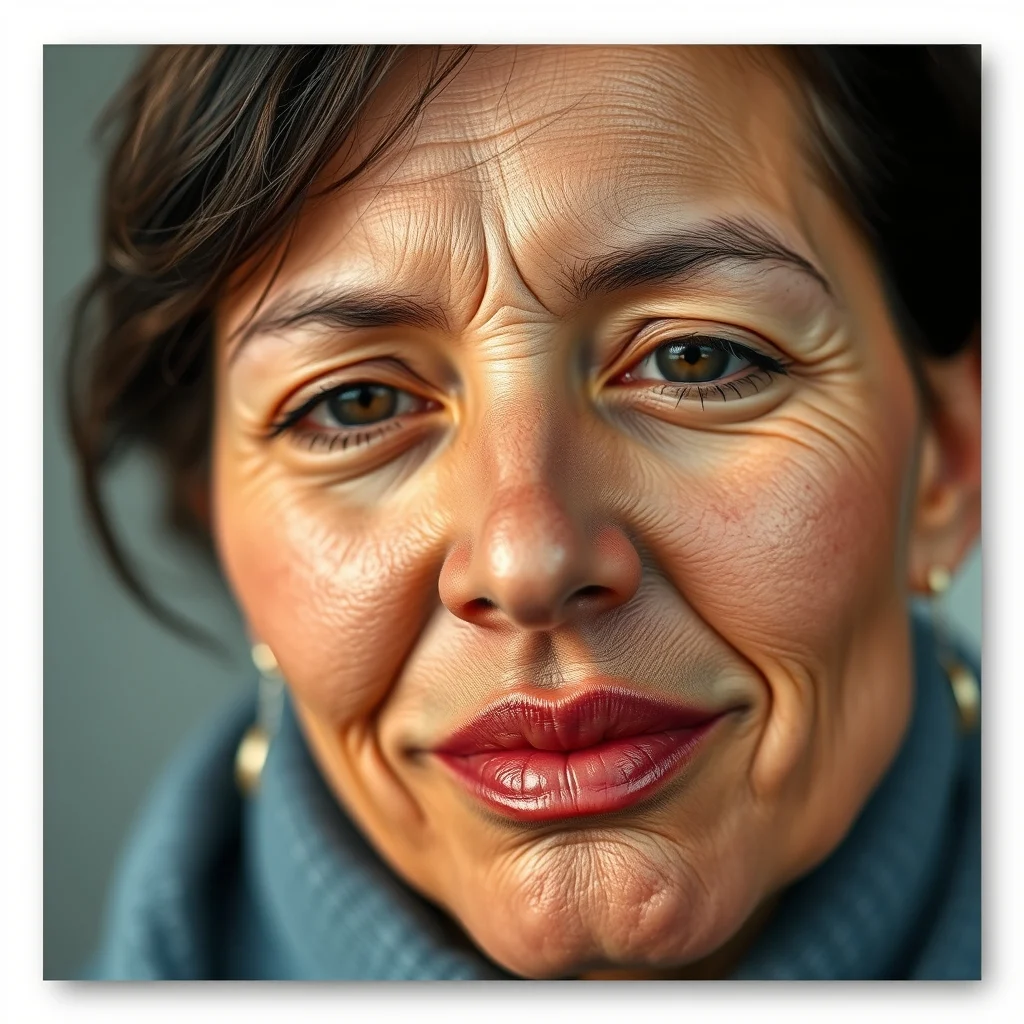
Skin undergoes profound transformations after forty, demanding a shift in care strategies to maintain resilience and radiance. Skincare over forty is no longer a niche concern but a growing focus for dermatologists, cosmetic chemists, and consumers alike, as global populations age and expectations for longevity extend to appearance. This article explores the biological, environmental, and lifestyle factors shaping mature skin health, backed by scientific research and expert insights.
Executive Summary: The Who, What, When, Where, Why, and How of Mature Skin Care
Who is affected? Women and men entering their forties and beyond experience accelerated collagen depletion, reduced sebum production, and slower cellular turnover. The demographic spans diverse ethnicities, though melanin-rich skin may exhibit delayed visible aging while facing unique challenges like hyperpigmentation.
What changes occur? Key shifts include a 1% annual decline in collagen post-30, increased transepidermal water loss, and heightened sensitivity due to a weakened moisture barrier. These changes manifest as fine lines, sagging, and uneven texture.
When do these shifts begin? While intrinsic aging starts in the mid-20s, hormonal fluctuations during perimenopause—typically between ages 40 and 55—accelerate visible signs. Environmental stressors like UV exposure and pollution compound these effects over decades.
Where is this most relevant? Urban populations with higher pollution levels and sun exposure see faster degradation, while those in temperate climates may experience slower progression. Cultural beauty standards also influence product adoption, with markets like South Korea and the U.S. leading in anti-aging innovations.
Why does it matter? Beyond aesthetics, healthy skin serves as a critical barrier against pathogens and environmental damage. Poor skin health correlates with lower self-esteem and increased healthcare costs for conditions like eczema or infections.
How are solutions evolving? Advances in topical formulations—such as encapsulated retinol and peptide-rich serums—now target specific concerns like elasticity restoring rituals and barrier repair for mature skin. Lifestyle interventions, including diet and stress management, are increasingly integrated into skincare protocols.
Historical Context: From Ancient Rituals to Modern Science
Skincare for aging skin traces back millennia, with early records showing Cleopatra’s use of milk baths for hydration for mature skin. The 20th century marked a turning point with scientific breakthroughs:
- 1960s: Introduction of tretinoin (Retin-A) for acne, later recognized for its anti-aging properties.
- 1980s: Collagen injections emerge as a temporary solution for volume loss.
- 2000s: Peptides and growth factors enter the market, offering non-invasive alternatives to fillers.
- 2010s: The rise of
You may also like
-
Resveratrol in Age Defense: A Multidimensional Analysis of Antioxidant Science, Mechanisms, and Industry Evolution
-
The Comprehensive Science of Mature Skin Resilience: A Multidimensional Examination of Skincare Over Forty, Biological Adaptations, and Evidence-Based Innovations
-
The Strategic Framework of Mature Skin Resilience: A 360-Degree Examination of Skincare Over Forty, Biological Adaptations, and Evidence-Based Innovations
-
The Comprehensive Analysis of Individualistic Age Well Beauty: Autonomy, Confidence, and the Modern Reinterpretation of Aging
-
Sustainable Fashion: The Not-So-Trendy Truth Behind Eco-Friendly Couture