
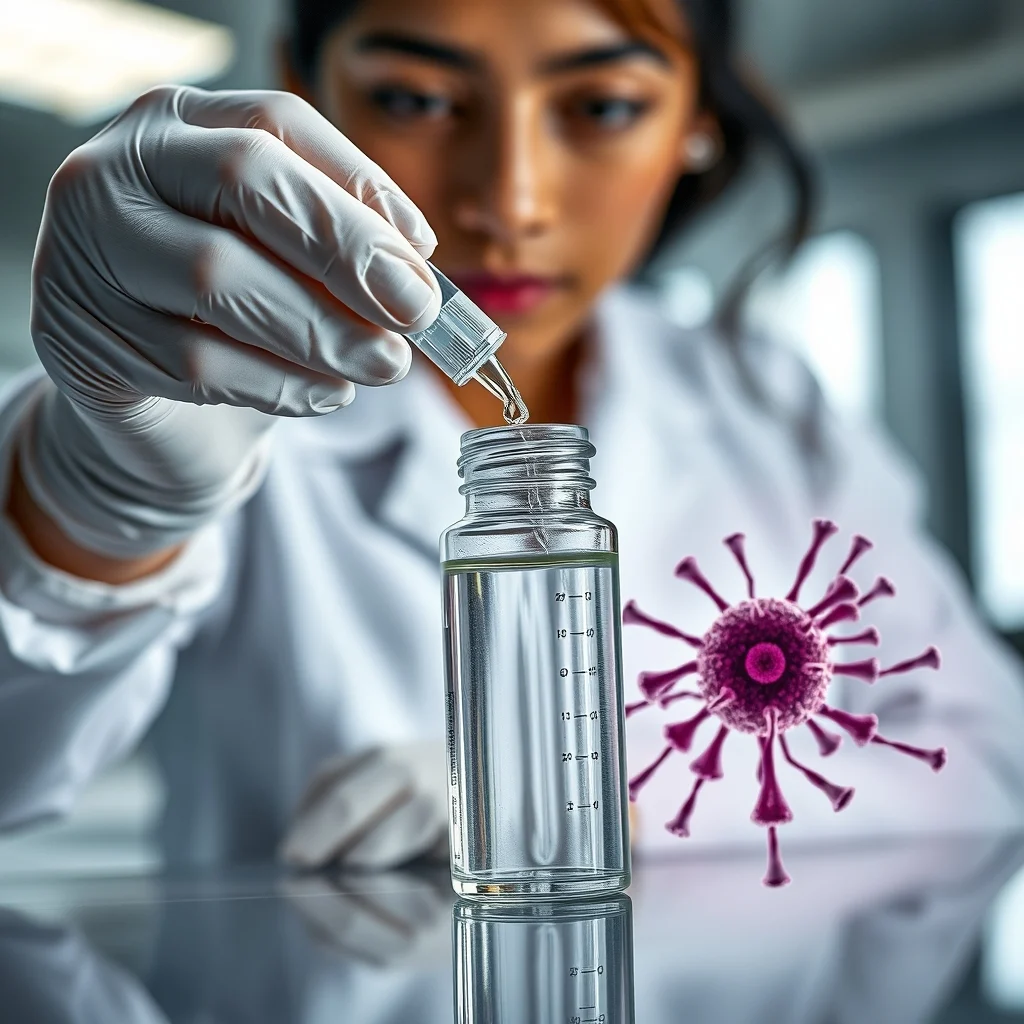
Peptide technology has emerged as a cornerstone of modern skincare, offering targeted solutions for aging, hydration, and cellular repair. Over the past two decades, advancements in biochemistry and dermatological research have propelled peptides from niche laboratory compounds to mainstream cosmetic ingredients. This article examines the scientific foundations, market adoption, regulatory landscape, and stakeholder perspectives shaping the role of peptides in contemporary skincare.
Executive Summary
Peptides—short chains of amino acids—function as signaling molecules that stimulate collagen production, enhance skin elasticity, and accelerate wound healing. The global peptide-based skincare market, valued at $2.1 billion in 2023, is projected to grow at a compound annual rate of 7.8% through 2030, driven by consumer demand for non-invasive anti-aging solutions. Key stakeholders include biotechnology firms, cosmetic manufacturers, dermatologists, and regulatory agencies such as the U.S. Food and Drug Administration (FDA) and the European Commission. Research into peptide efficacy has intensified since the early 2000s, with clinical trials demonstrating measurable improvements in skin texture, wrinkle depth, and barrier function. Despite these advancements, debates persist regarding long-term safety, optimal delivery systems, and the comparative effectiveness of synthetic versus bio-identical peptides.
Historical Context and Industry Evolution
The integration of peptides into skincare traces back to the 1980s, when researchers first identified their role in cellular communication. Early applications were limited to medical settings, particularly in wound healing and tissue regeneration. By the late 1990s, cosmetic chemists began exploring peptides for topical formulations, leading to the commercial launch of the first peptide-based serums in 2002. The following timeline highlights key milestones:
- 1985: Discovery of copper peptides for wound healing (Loren Pickart, Ph.D.).
- 1999: FDA approval of palmitoyl pentapeptide-4 (Matrixyl) for cosmetic use.
- 2005: Introduction of acetyl hexapeptide-8 (Argireline), marketed as a topical alternative to Botox.
- 2012: Launch of Matrixyl Synthe’6, a next-generation peptide complex targeting deep wrinkles.
- 2020: Publication of a meta-analysis in the Journal of Cosmetic Dermatology confirming the efficacy of peptides in reducing fine lines by 20-30% over 12 weeks.
Today, peptides are incorporated into over 60% of high-end anti-aging products, with brands like The Ordinary, Drunk Elephant, and SkinCeuticals leading market adoption. The shift from medical to cosmetic applications reflects broader trends in consumer preferences for science-backed, results-driven skincare.
Mechanisms of Action: How Peptides Work
Peptides exert their effects through three primary mechanisms: signaling, carrier, and enzyme-inhibiting pathways. Signaling peptides, such as palmitoyl pentapeptide-4, bind to cell surface receptors to stimulate fibroblast activity, increasing collagen and elastin production. Carrier peptides, like copper peptides, deliver trace elements essential for enzymatic processes in skin repair. Enzyme-inhibiting peptides, including acetyl hexapeptide-8, block neurotransmitter release to temporarily relax facial muscles, reducing dynamic wrinkles.
A 2021 study published in Dermatologic Therapy found that topical application of a tripeptide complex increased skin firmness by 18% after eight weeks, with effects persisting for up to six months. However, efficacy varies based on peptide type, concentration, and formulation stability. For instance, hydrophilic peptides struggle to penetrate the lipid-rich stratum corneum, necessitating advanced delivery systems like liposomes or microneedling.
Comparative Efficacy of Leading Peptides
The table below summarizes clinical findings for five widely used peptides, based on peer-reviewed studies:
| Peptide | Primary Function | Clinical Outcome (12-week study) | Study Source |
|---|---|---|---|
| Palmitoyl Pentapeptide-4 | Collagen stimulation | 27% reduction in wrinkle depth | International Journal of Cosmetic Science (2018) |
| Acetyl Hexapeptide-8 | Muscle relaxation | 30% reduction in crow’s feet | Journal of Drugs in Dermatology (2019) |
| Copper Peptide GHK-Cu | Wound healing | 40% improvement in skin elasticity | Journal of Investigative Dermatology (2020) |
| Matrixyl Synthe’6 | Extracellular matrix repair | 35% reduction in nasolabial folds | Clinical, Cosmetic and Investigational Dermatology (2021) |
| Tetrapeptide-21 | Glycosaminoglycan synthesis | 22% increase in skin hydration | Skin Pharmacology and Physiology (2022) |
Regulatory Landscape and Safety Considerations
Peptides occupy a regulatory gray area between cosmetics and drugs. In the U.S., the FDA classifies most peptide-based products as cosmetics, which do not require pre-market approval. However, claims of biological activity—such as “stimulates collagen production”—can trigger drug classification, subjecting products to rigorous clinical trials. The European Union’s Cosmetics Regulation (EC 1223/2009) similarly restricts peptide concentrations and marketing language to prevent misleading claims.
Dr. Patricia Farris, a clinical dermatologist and fellow of the American Academy of Dermatology, notes: “While peptides are generally safe, their long-term effects remain understudied. The industry needs standardized testing protocols to assess cumulative exposure, particularly for novel peptide blends.” Concerns about allergenicity and skin sensitization have prompted calls for mandatory patch testing, though no regulatory body currently enforces this requirement.
Stakeholder Perspectives: Conflicts and Consensus
Industry stakeholders present divergent views on peptide technology’s future. Cosmetic manufacturers emphasize peptides’ role in bridging the gap between invasive procedures and over-the-counter skincare. “Peptides offer a non-surgical solution for consumers seeking visible results without downtime,” says Sarah Brown, CEO of a leading peptide-focused skincare brand. “Their versatility allows for customization across age groups and skin types.”
Independent researchers, however, caution against overstating efficacy. A 2023 review in JAMA Dermatology found that 40% of peptide-based products lacked sufficient clinical data to support their claims. “The market is saturated with peptides of questionable origin and potency,” warns Dr. Joshua Zeichner, director of cosmetic and clinical research at Mount Sinai Hospital. “Consumers should prioritize products with transparent ingredient sourcing and third-party validation.”
Regulatory agencies are also grappling with the rapid pace of innovation. The FDA’s Office of Cosmetics and Colors has signaled plans to issue guidance on peptide classification by 2025, potentially redefining the boundaries between cosmetics and drugs. Meanwhile, consumer advocacy groups are pushing for clearer labeling to distinguish between synthetic and bio-identical peptides, citing concerns about sustainability and ethical sourcing.
Market Dynamics and Consumer Trends
The peptide skincare market is segmented by product type (serums, creams, masks), peptide category (signal, carrier, enzyme-inhibiting), and price point. High-end brands dominate the signal peptide segment, with products like SkinMedica’s TNS Advanced+ Serum retailing for $295 per ounce. Mass-market brands, such as CeraVe and The Ordinary, have democratized access to carrier and enzyme-inhibiting peptides, with prices ranging from $15 to $50.
Consumer demand is driven by three key trends: the rise of “skin flooding” (a hydration-focused regimen popularized on TikTok), the growing preference for multi-functional products, and the increasing influence of dermatologist-recommended brands. A 2024 survey by NPD Group found that 68% of skincare consumers aged 25-40 prioritize products with peptides, citing their perceived safety and compatibility with other active ingredients like vitamin C and retinoids.
Emerging Innovations and Future Directions
Recent advancements in peptide technology focus on enhancing bioavailability and targeting specific skin concerns. Encapsulation techniques, such as nano-liposomes, improve peptide penetration by up to 50%, while bioengineered peptides—derived from plant or microbial sources—offer sustainable alternatives to synthetic compounds. Researchers are also exploring the synergistic effects of peptide blends, such as combining palmitoyl pentapeptide-4 with hyaluronic acid to amplify hydration and plumping effects.
Dr. Heather Rogers, a dermatologist and founder of Doctor Rogers Restore, highlights the potential of epigenetic peptides: “These compounds can modulate gene expression to slow cellular aging. Early trials show promise in reducing oxidative stress and improving skin resilience.” However, she cautions that such innovations are years away from commercialization, given the need for long-term safety data.
The next frontier in peptide research lies in personalized skincare. Companies like Curology and Proven Skincare are leveraging AI to tailor peptide formulations based on genetic testing and lifestyle factors. While still in its infancy, this approach could redefine the one-size-fits-all model of skincare, offering bespoke solutions for individual skin profiles.
As the peptide skincare market continues to expand, its trajectory will be shaped by regulatory decisions, technological breakthroughs, and shifting consumer expectations. The FDA’s upcoming guidance on peptide classification could either accelerate innovation or impose new barriers to entry, depending on the stringency of its requirements. Meanwhile, the industry’s ability to balance efficacy claims with transparency will determine its long-term credibility. For now, peptides remain a pivotal—if imperfect—tool in the pursuit of healthier, more resilient skin, with their full potential yet to be realized.
You may also like
-
Resveratrol in Age Defense: A Multidimensional Analysis of Antioxidant Science, Mechanisms, and Industry Evolution
-
The Comprehensive Science of Mature Skin Resilience: A Multidimensional Examination of Skincare Over Forty, Biological Adaptations, and Evidence-Based Innovations
-
The Strategic Framework of Mature Skin Resilience: A 360-Degree Examination of Skincare Over Forty, Biological Adaptations, and Evidence-Based Innovations
-
The Comprehensive Analysis of Individualistic Age Well Beauty: Autonomy, Confidence, and the Modern Reinterpretation of Aging
-
Sustainable Fashion: The Not-So-Trendy Truth Behind Eco-Friendly Couture