
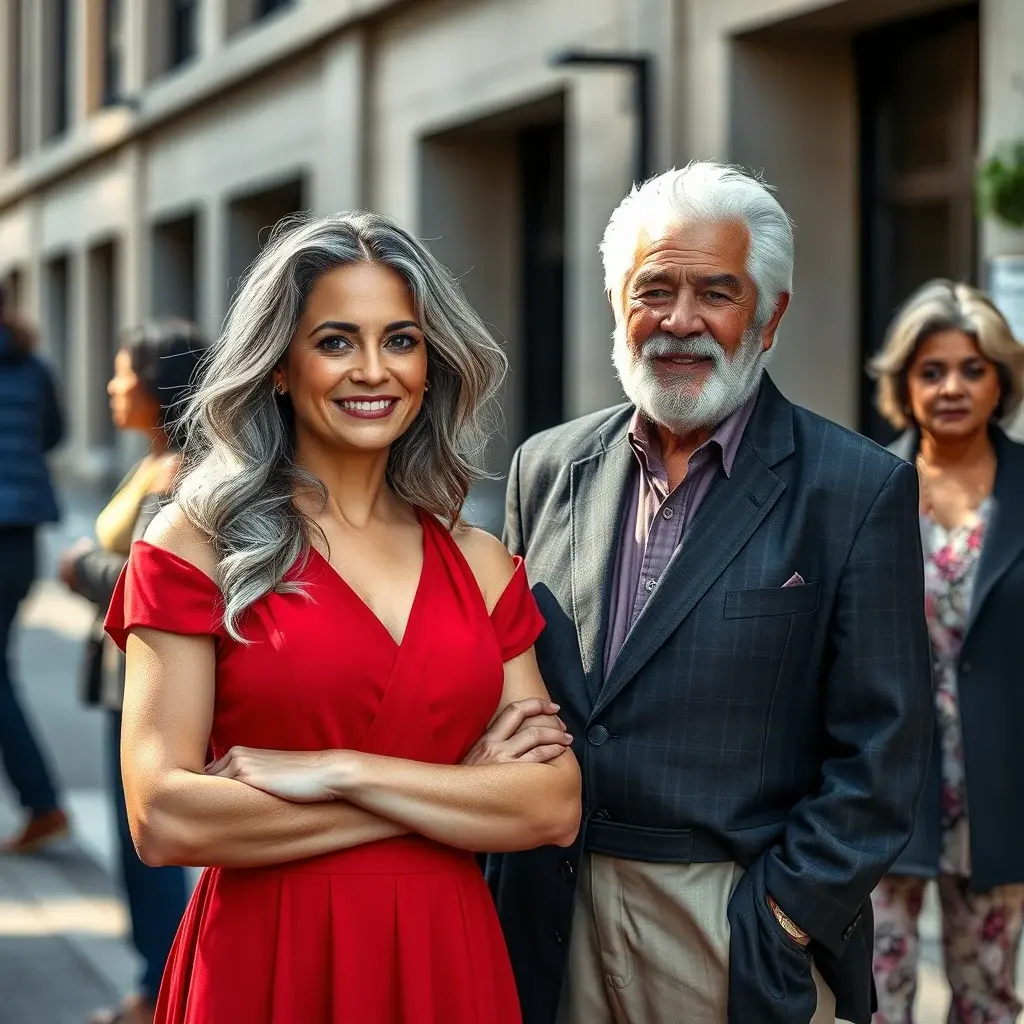
In 2024, the global discourse surrounding aging has undergone a seismic shift, with an unprecedented number of individuals over 40 publicly rejecting traditional beauty standards and embracing what has come to be known as “unapologetic aging beauty.” This movement, characterized by the deliberate rejection of ageist stereotypes and the celebration of natural aging processes, has gained traction across social media platforms, fashion industries, and wellness sectors. The phenomenon is not confined to any single demographic or geographic region; rather, it spans generations, cultures, and socioeconomic backgrounds, with women and men alike advocating for autonomy in how they present and perceive themselves as they age. The rise of this movement coincides with the growing influence of the “pro-aging” mindset, which reframes aging as a dynamic and empowering phase of life rather than a decline to be mitigated.
The concept of unapologetic aging beauty is rooted in the intersection of cultural, economic, and technological forces. Social media platforms like Instagram and TikTok have become pivotal in amplifying voices that challenge conventional beauty norms, with hashtags such as #SilverSisters and #GrayHairDontCare garnering billions of views. Simultaneously, the beauty industry has responded to this shift, with brands like Dove, L’Oréal, and Fenty Beauty launching campaigns that feature models over 50 and promote products designed to enhance rather than conceal natural aging signs. According to a 2023 report by McKinsey & Company, the global market for “mature beauty” products is projected to grow by 8% annually, reaching $25 billion by 2027. This growth is driven by a consumer base that increasingly values authenticity and self-acceptance over youth-centric ideals.
The movement’s origins can be traced back to the late 20th century, when second-wave feminism and the body positivity movement began to challenge societal expectations around women’s appearances. However, the modern iteration of unapologetic aging beauty has evolved into a more inclusive and intersectional framework, addressing not only gender but also race, class, and ability. Key milestones in this evolution include the 2015 launch of Allure magazine’s “The Aging Issue,” which featured a 70-year-old model on its cover, and the 2018 viral campaign by the brand AARP, which rebranded aging as a “powerful, vibrant, and unstoppable” experience. These developments reflect a broader cultural reckoning with the ways in which aging has been historically stigmatized, particularly for women.
Historical Context: The Cultural and Societal Forces Shaping Aging Perceptions
The perception of aging has undergone dramatic transformations over the past century, influenced by economic, medical, and cultural shifts. In the early 1900s, aging was often associated with wisdom and respect, particularly in non-Western societies where elders held positions of authority within families and communities. However, the industrial revolution and the rise of capitalism in the West introduced a new paradigm, one that equated youth with productivity and desirability. By the mid-20th century, advertising and media had cemented this association, with anti-aging products and procedures becoming a multi-billion-dollar industry.
- 1920s-1950s: The emergence of Hollywood’s golden age glorified youthful beauty, with stars like Marilyn Monroe and Audrey Hepburn setting the standard for feminine allure. Aging was rarely depicted on screen, and when it was, it was often framed as a tragedy or a loss of relevance.
- 1960s-1980s: The feminist movement began to challenge beauty standards, with activists like Gloria Steinem critiquing the pressure on women to maintain a youthful appearance. However, the beauty industry doubled down on anti-aging marketing, with brands like Revlon and Estée Lauder introducing products specifically targeting wrinkles and gray hair.
- 1990s-2000s: The rise of the internet and digital media accelerated the dissemination of youth-centric beauty ideals. Reality TV shows like The Real Housewives and Keeping Up with the Kardashians reinforced the notion that aging was something to be fought, often through cosmetic procedures and filters.
- 2010s-Present: The advent of social media democratized beauty standards, allowing marginalized voices to challenge dominant narratives. The #MeToo movement and the body positivity movement further paved the way for unapologetic aging beauty, with influencers like Maye Musk and Lyn Slater (Accidental Icon) becoming icons for their refusal to conform to traditional aging expectations.
Operational Mechanics: How the Movement Functions Across Sectors
The unapologetic aging beauty movement operates through a multi-faceted ecosystem that includes media representation, consumer behavior, and corporate strategies. At its core, the movement relies on three key mechanisms: visibility, education, and advocacy.
Visibility is perhaps the most critical component, as it normalizes aging in public discourse. Social media platforms have played a pivotal role in this regard, with influencers and celebrities using their platforms to showcase their natural aging processes. For example, actress Helen Mirren has been vocal about her decision to embrace her gray hair, while model Paulina Porizkova has used Instagram to critique the beauty industry’s ageist practices. These public figures serve as role models, demonstrating that aging can be a source of confidence rather than shame.
Education is another cornerstone of the movement, with organizations and individuals working to dismantle ageist stereotypes through workshops, podcasts, and online content. The non-profit organization Alliance for Aging Research has been instrumental in this effort, publishing reports that debunk myths about aging and highlight the benefits of a pro-aging mindset. Similarly, platforms like The Graying Rainbow, a podcast hosted by LGBTQ+ aging advocate Ashton Applewhite, provide a space for discussions about aging without stigma.
Advocacy efforts have also gained momentum, with campaigns like #AgeMyWay and #DisruptAging pushing for policy changes that protect older adults from discrimination. In 2022, the World Health Organization (WHO) launched a global report on ageism, calling for urgent action to combat discrimination in healthcare, employment, and media. The report found that one in two people worldwide hold ageist attitudes, underscoring the need for systemic change.
Quantitative Data Analysis: The Economic and Social Impact of Unapologetic Aging
The unapologetic aging beauty movement is not only a cultural phenomenon but also an economic force with measurable impacts. According to a 2023 study by Nielsen, consumers over 50 account for 56% of all consumer spending in the U.S., yet they are often overlooked by marketers. This disconnect has created a significant opportunity for brands that cater to the needs and preferences of older adults. The table below highlights key statistics related to the economic and social impact of the movement:
| Metric | Data Point | Source |
|---|---|---|
| Global market value of mature beauty products | $25 billion by 2027 | McKinsey & Company (2023) |
| Percentage of consumers over 50 who feel ignored by advertisers | 72% | AARP (2022) |
| Growth rate of gray hair products | 12% annually | Grand View Research (2023) |
| Percentage of women over 40 who have used anti-aging products | 68% | Statista (2023) |
| Number of social media posts using #SilverSisters | 1.2 billion | TikTok (2024) |
These statistics underscore the growing influence of the unapologetic aging beauty movement, both as a cultural force and an economic driver. However, the data also reveals persistent challenges, particularly in the realm of representation. A 2023 report by the Geena Davis Institute on Gender in Media found that only 5% of advertisements feature people over 50, and when they do, they are often portrayed in stereotypical roles, such as grandparents or retirees. This lack of representation perpetuates ageist attitudes and limits the movement’s potential for broader societal impact.
Systemic Impacts: The Broader Implications of Unapologetic Aging
The unapologetic aging beauty movement has far-reaching implications that extend beyond individual empowerment. At a systemic level, the movement challenges deeply ingrained societal norms and has the potential to reshape industries, policies, and cultural narratives. One of the most significant impacts is the redefinition of beauty standards, which have historically been exclusionary and youth-centric. By celebrating aging as a natural and beautiful process, the movement is expanding the definition of beauty to include all ages, races, and body types.
In the workplace, the movement is driving conversations about ageism and the value of older employees. According to a 2023 survey by the AARP, 61% of workers over 45 have experienced age discrimination, with many reporting being passed over for promotions or job opportunities. The unapologetic aging beauty movement is pushing back against these biases, with advocates calling for policies that protect older workers and recognize their contributions. For example, the U.S. Equal Employment Opportunity Commission (EEOC) has reported a 30% increase in age discrimination complaints since 2020, reflecting a growing awareness of the issue.
In healthcare, the movement is influencing how aging is perceived and treated. Traditional medical models have often viewed aging as a disease to be managed, with a focus on extending lifespan rather than improving quality of life. However, the pro-aging mindset is shifting this narrative, emphasizing the importance of holistic well-being and preventive care. Dr. Louise Aronson, a geriatrician and author of Elderhood, argues that this shift is long overdue: “Aging is not a problem to be solved; it’s a phase of life to be lived fully. The medical community needs to move away from a deficit-based model and toward one that celebrates the resilience and wisdom that come with age.”
The movement is also having a ripple effect in the fashion and entertainment industries. Brands like Gucci and Prada have begun featuring older models in their campaigns, while films and TV shows like Grace and Frankie and The Golden Girls have demonstrated the commercial viability of stories centered on older adults. However, critics argue that these changes are often superficial, with industries still prioritizing youthful aesthetics. Fashion historian Valerie Steele notes, “While it’s encouraging to see more representation of older adults in media, we need to move beyond tokenism. True inclusivity requires systemic change, from casting decisions to the types of stories being told.”
Stakeholder Perspectives: Diverse Voices in the Unapologetic Aging Movement
The unapologetic aging beauty movement is not monolithic; it encompasses a wide range of perspectives, each shaped by personal experiences, cultural backgrounds, and professional expertise. For some, the movement is a form of resistance against societal pressures, while for others, it is a celebration of personal growth and self-acceptance. Below are insights from key stakeholders representing different facets of the movement.
Dr. Ashton Applewhite, Author and Anti-Ageism Advocate: “Ageism is the last socially acceptable prejudice, and it’s time we dismantle it. The unapologetic aging movement is not about denying the challenges that come with getting older; it’s about refusing to let those challenges define us. We need to shift the narrative from aging as a loss to aging as a gain—of wisdom, of freedom, of authenticity.”
Linda Rodin, Model and Beauty Entrepreneur: “I’ve been in the beauty industry for over 50 years, and I’ve seen firsthand how it has evolved. When I started, the message was clear: stay young at all costs. But now, there’s a growing recognition that beauty isn’t about defying age; it’s about embracing who you are at every stage of life. That’s a powerful shift, and it’s one that I’m proud to be a part of.”
Dr. Jeanette McCarthy, Geneticist and Aging Researcher: “From a scientific perspective, aging is a complex and multifaceted process. While genetics play a role, lifestyle factors like diet, exercise, and stress management are equally important. The unapologetic aging movement aligns with the growing body of research that shows how mindset can influence health outcomes. People who embrace aging tend to have better mental and physical well-being, which is a testament to the power of perception.”
Marcus Jones, Founder of Gray & Proud, a Men’s Grooming Brand: “Men have been largely ignored in conversations about aging and beauty, but that’s changing. More men are embracing their gray hair and beards, and they’re looking for products that enhance their natural features rather than cover them up. The demand for grooming products tailored to older men is growing, and brands need to catch up. This isn’t just a women’s issue; it’s a human issue.”
The movement’s diversity is both its strength and its challenge. While the shared goal of rejecting ageist stereotypes unites stakeholders, differences in priorities and approaches can lead to tensions. For example, some advocates argue that the beauty industry’s co-optation of the movement—through products like “pro-aging” serums—undermines its core message of self-acceptance. Others believe that any visibility, even if commercially driven, is a step in the right direction. These debates highlight the complexity of the movement and the need for ongoing dialogue among stakeholders.
The unapologetic aging beauty movement is at a critical juncture, with its influence extending into industries, policies, and cultural narratives. As the global population continues to age—by 2050, one in six people will be over 65, according to the United Nations—the movement’s principles are likely to gain even more traction. However, its long-term impact will depend on whether it can move beyond individual empowerment and drive systemic change. Upcoming regulatory milestones, such as the WHO’s Global Report on Ageism in 2025, and market catalysts, like the projected growth of the mature beauty sector, will shape the movement’s trajectory in the years to come. What remains clear is that the conversation around aging has irrevocably shifted, and there is no turning back.
You may also like
-
Resveratrol in Age Defense: A Multidimensional Analysis of Antioxidant Science, Mechanisms, and Industry Evolution
-
The Comprehensive Science of Mature Skin Resilience: A Multidimensional Examination of Skincare Over Forty, Biological Adaptations, and Evidence-Based Innovations
-
The Strategic Framework of Mature Skin Resilience: A 360-Degree Examination of Skincare Over Forty, Biological Adaptations, and Evidence-Based Innovations
-
The Comprehensive Analysis of Individualistic Age Well Beauty: Autonomy, Confidence, and the Modern Reinterpretation of Aging
-
Sustainable Fashion: The Not-So-Trendy Truth Behind Eco-Friendly Couture