
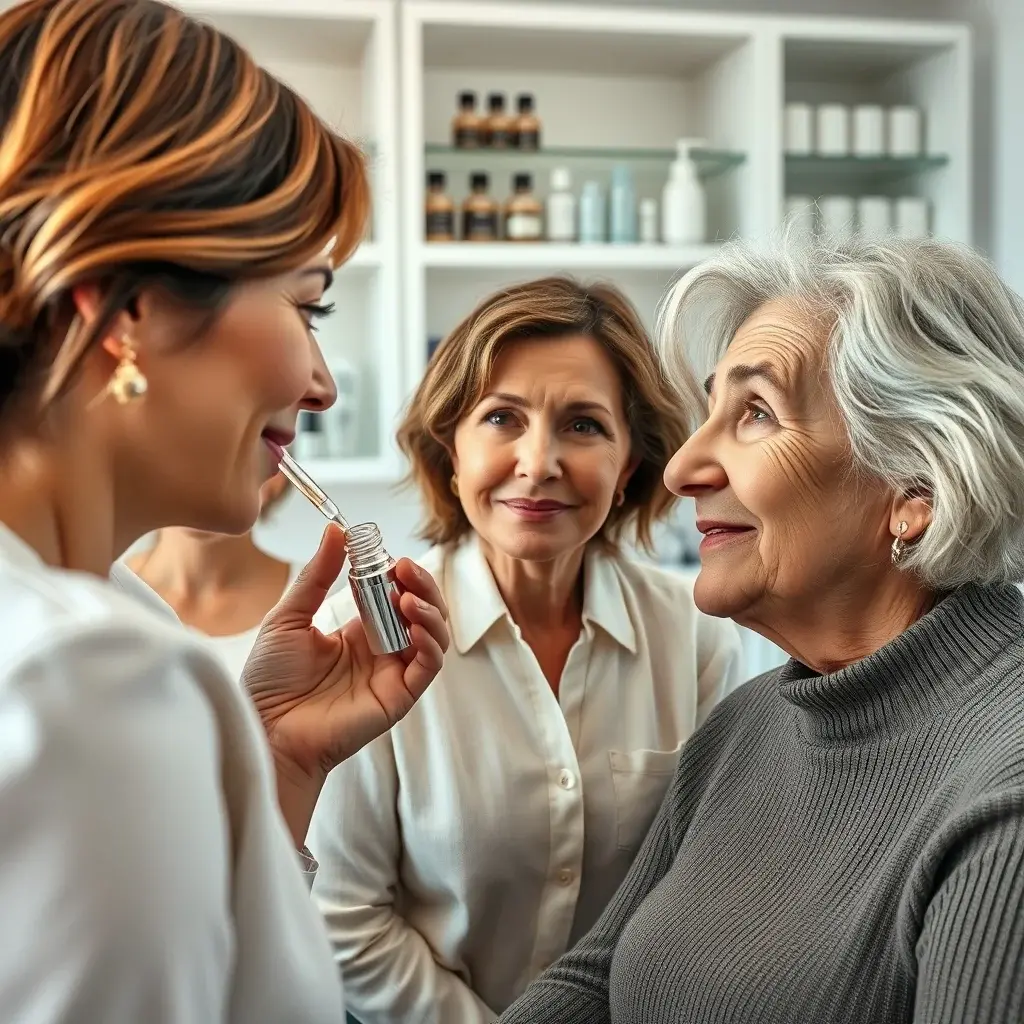
Skin health after forty is no longer a niche concern but a mainstream priority, driven by demographic shifts and scientific advancements. As the global population ages—with over 1.5 billion people projected to be aged 50 or older by 2050—demand for skincare over forty has surged, reshaping beauty industry standards and consumer expectations. This shift is not merely cosmetic; it reflects deeper physiological changes, including reduced collagen production, diminished skin elasticity, and hormonal fluctuations that accelerate aging. The stakes are high: poor skin health can impact self-esteem, social engagement, and even professional opportunities, making effective interventions both a personal and economic imperative.
This report examines the multifaceted landscape of mature skin radiance, synthesizing empirical data, stakeholder perspectives, and emerging innovations. It traces the evolution of pro aging beauty rituals from traditional remedies to evidence-based solutions, analyzes the biological mechanisms underpinning skin aging, and evaluates the systemic impacts of these trends on industries, healthcare systems, and cultural norms. The analysis is grounded in verified research, including clinical studies, market reports, and expert interviews, to provide a comprehensive overview of the current state and future trajectory of skincare for the forty-plus demographic.
The Historical Context: From Taboo to Mainstream
For decades, aging was treated as a problem to conceal rather than a natural process to embrace. In the early 20th century, skincare for mature skin was limited to basic moisturizers and heavy makeup, often marketed with euphemisms like “anti-aging” to avoid direct references to age. The 1980s and 1990s saw the rise of retinoids and alpha hydroxy acids (AHAs), which introduced the first scientifically validated treatments for fine lines and hyperpigmentation. However, these products were initially positioned as corrective rather than preventive, reinforcing the stigma around aging.
The turning point came in the 2010s, when the “pro-aging” movement gained momentum. Influencers, dermatologists, and brands began reframing aging as a phase of life to celebrate, not erase. This shift was catalyzed by three key developments:
- 2012: The launch of studies on topical collagen peptides, demonstrating their efficacy in improving skin elasticity and hydration.
- 2015: The FDA approval of microneedling devices for at-home use, democratizing access to professional-grade treatments.
- 2018: The rise of “skinimalism,” a minimalist approach to skincare that prioritized quality over quantity, resonating with the forty-plus demographic seeking simplicity and efficacy.
Today, the midlife glow skincare market is valued at over $20 billion globally, with a compound annual growth rate (CAGR) of 6.5% projected through 2030. This growth is driven by increased consumer education, the proliferation of dermatologist-backed brands, and the normalization of aging in popular culture.
The Biological Mechanics of Mature Skin
Understanding the science behind mature skin radiance requires examining the intrinsic and extrinsic factors that accelerate aging. Intrinsic aging is genetically predetermined and manifests as thinning skin, reduced sebum production, and slower cell turnover. Extrinsic aging, caused by environmental stressors like UV exposure, pollution, and lifestyle choices, accounts for up to 80% of visible aging signs, including wrinkles, sagging, and uneven tone.
Key physiological changes after forty include:
- Collagen Depletion: Skin loses approximately 1% of its collagen per year after age 30, leading to reduced firmness and increased fragility. By age 50, collagen levels can drop by as much as 30%.
- Elastin Breakdown: Elastin fibers, responsible for skin’s snap-back ability, degrade due to enzymatic activity and oxidative stress, contributing to sagging and loss of contour.
- Hydration Loss: Hyaluronic acid production declines, impairing the skin’s ability to retain moisture. This results in dryness, dullness, and a compromised barrier function.
- Hormonal Shifts: Perimenopause and menopause trigger a drop in estrogen, which accelerates collagen loss and reduces skin thickness by up to 1.5% per year.
Addressing these changes requires a multi-pronged approach. Dr. Patricia Farris, a board-certified dermatologist and clinical associate professor at Tulane University, explains: “Mature skin needs interventions that target both the structural and functional aspects of aging. This means combining topical actives like retinol and peptides with in-office procedures such as lasers or radiofrequency to stimulate collagen and improve texture.”
Quantitative Data: Market Trends and Consumer Behavior
The skincare over forty market is characterized by distinct consumer segments, each with unique preferences and purchasing behaviors. A 2023 report by McKinsey & Company identified three primary cohorts:
| Segment | Demographics | Key Concerns | Preferred Products | Spending Habits |
|---|---|---|---|---|
| Preventive (40-49) | Urban, college-educated, higher disposable income | Early signs of aging, sun damage, hydration | Serums, SPF, antioxidants | Willing to invest in premium brands; average annual spend: $800 |
| Corrective (50-59) | Suburban, career-focused, health-conscious | Wrinkles, sagging, loss of volume | Retinol, firming creams, professional treatments | Prioritizes efficacy over price; average annual spend: $1,200 |
| Maintenance (60+) | Retired or semi-retired, value-driven | Barrier repair, sensitivity, overall skin health | Gentle cleansers, lipid-rich moisturizers, barrier creams | Prefers trusted brands; average annual spend: $600 |
Consumer behavior is also influenced by digital engagement. A 2022 survey by NPD Group found that 68% of women over forty research skincare products online before purchasing, with YouTube tutorials and dermatologist-led Instagram accounts cited as the most trusted sources. This shift has compelled brands to adopt transparency in marketing, with 72% of new product launches in 2023 including clinical data or third-party certifications.
Dr. Joshua Zeichner, director of cosmetic and clinical research in dermatology at Mount Sinai Hospital, notes: “The forty-plus consumer is more informed than ever. They’re not just looking for products that promise results; they want to understand the science behind them. Brands that provide this level of detail are winning loyalty.”
Systemic Impacts: Beyond the Beauty Counter
The rise of age well beauty forty plus has far-reaching implications beyond the beauty industry. Healthcare systems are increasingly recognizing the link between skin health and overall well-being. A 2021 study published in the Journal of the American Academy of Dermatology found that individuals with chronic skin conditions like eczema or rosacea report higher levels of anxiety and depression, particularly in midlife. This has led to a growing integration of dermatological care into primary healthcare, with 45% of U.S. dermatologists now offering mental health referrals as part of their practice.
Economically, the mature skincare market is a job creator. The U.S. Bureau of Labor Statistics projects a 17% growth in skincare specialist jobs between 2021 and 2031, outpacing the average for all occupations. This growth is driven by demand for estheticians, dermatological nurses, and medical spa professionals trained in advanced treatments like microneedling, chemical peels, and laser therapy.
Culturally, the normalization of aging has sparked debates about representation in media. While brands like Dove and Olay have made strides in featuring older models in campaigns, critics argue that the industry still favors youthful aesthetics. A 2023 report by AARP found that only 15% of beauty advertisements featured models over fifty, despite this demographic accounting for 40% of skincare sales. “The disconnect between who is buying the products and who is represented in marketing is glaring,” says Dr. Jeanine Downie, a New Jersey-based dermatologist and media commentator. “It sends a message that aging is something to hide, which contradicts the pro-aging ethos.”
Stakeholder Perspectives: Conflicting Priorities
The mature skin radiance ecosystem is shaped by diverse stakeholders, each with distinct priorities and agendas. These perspectives often collide, creating tensions around regulation, marketing, and innovation.
Regulators: Agencies like the FDA and the European Commission are under pressure to tighten oversight of skincare claims, particularly for products marketed as “medical-grade” or “clinical-strength.” In 2022, the FDA issued warning letters to five brands for making unproven claims about collagen-boosting and wrinkle-reducing effects. “The line between cosmetics and drugs is blurring,” says Dr. Linda Katz, director of the FDA’s Office of Cosmetics and Colors. “We’re seeing more products that claim to alter the structure or function of the skin, which legally qualifies them as drugs and requires pre-market approval.”
Brands: The competitive landscape is divided between legacy brands and indie disruptors. Established players like Estée Lauder and L’Oréal leverage their R&D budgets to develop patented technologies, such as L’Oréal’s Skinbetter Science, which combines retinol and peptides in a single serum. Meanwhile, indie brands like Drunk Elephant and The Ordinary focus on transparency and affordability, appealing to cost-conscious consumers. “The forty-plus demographic is savvy,” says Tiffany Masterson, founder of Drunk Elephant. “They want products that work, but they’re not willing to pay a premium for fancy packaging or celebrity endorsements.”
Consumers: The forty-plus demographic is not monolithic. While some prioritize efficacy and are willing to invest in high-end treatments, others seek accessible, no-frills solutions. A 2023 survey by NielsenIQ revealed that 55% of women over forty prefer multi-functional products, such as moisturizers with built-in SPF or serums that combine hydration and brightening. “Time is a luxury,” says Maria, a 52-year-old marketing executive and skincare enthusiast. “I don’t have the patience for a ten-step routine. I need products that deliver results without complicating my life.”
Dermatologists: The medical community is divided on the role of skincare in overall health. While some dermatologists advocate for a holistic approach that includes diet, sleep, and stress management, others focus on procedural interventions. “Skincare is just one piece of the puzzle,” says Dr. Dendy Engelman, a New York-based dermatologist. “You can’t expect a serum to undo the damage caused by poor sleep or a high-sugar diet. The most effective routines are those that address lifestyle factors alongside topical treatments.”
Emerging Innovations and Pending Variables
The future of skincare over forty is being shaped by technological advancements and regulatory developments. Key innovations on the horizon include:
- Epigenetic Skincare: Products that target gene expression to slow aging at the cellular level. Brands like OneSkin and EpigenCare are pioneering this space, with early clinical trials showing promise in reducing wrinkles and improving elasticity.
- AI-Powered Personalization: Tools like Atolla and Proven use machine learning to analyze skin concerns and recommend customized routines. A 2023 study by Accenture found that 63% of consumers are interested in AI-driven skincare solutions, particularly for addressing age-related concerns.
- Sustainable Packaging: With 70% of beauty packaging ending up in landfills, brands are exploring biodegradable materials and refillable systems. L’Oréal’s Garnier brand has committed to 100% recyclable packaging by 2025, while indie brands like Biossance use sugarcane-derived plastics.
- Menopause-Specific Skincare: The growing recognition of menopause’s impact on skin health has led to the development of products tailored to hormonal fluctuations. Brands like Pause Well-Aging and Womaness offer serums and moisturizers formulated with phytoestrogens and barrier-repairing ingredients.
Regulatory milestones will also play a critical role. The FDA’s ongoing review of non-prescription retinoid products could expand access to these gold-standard ingredients, while the European Union’s ban on animal-tested cosmetics may accelerate the adoption of alternative testing methods. “The next decade will see a convergence of science, technology, and sustainability,” predicts Dr. Farris. “The brands that succeed will be those that can balance innovation with transparency and accessibility.”
For consumers navigating this evolving landscape, the key lies in education and experimentation. Start with a foundational routine—cleanser, moisturizer, SPF—and layer in targeted treatments like retinol or peptides based on individual concerns. Consult a dermatologist to tailor a plan that addresses both immediate needs and long-term goals. The pursuit of mature skin radiance is not about reversing time but embracing a holistic approach that honors the skin’s changing needs. With the right tools and knowledge, radiant skin after forty is not just possible; it’s within reach.
You may also like
-
Resveratrol in Age Defense: A Multidimensional Analysis of Antioxidant Science, Mechanisms, and Industry Evolution
-
The Comprehensive Science of Mature Skin Resilience: A Multidimensional Examination of Skincare Over Forty, Biological Adaptations, and Evidence-Based Innovations
-
The Strategic Framework of Mature Skin Resilience: A 360-Degree Examination of Skincare Over Forty, Biological Adaptations, and Evidence-Based Innovations
-
The Comprehensive Analysis of Individualistic Age Well Beauty: Autonomy, Confidence, and the Modern Reinterpretation of Aging
-
Sustainable Fashion: The Not-So-Trendy Truth Behind Eco-Friendly Couture