
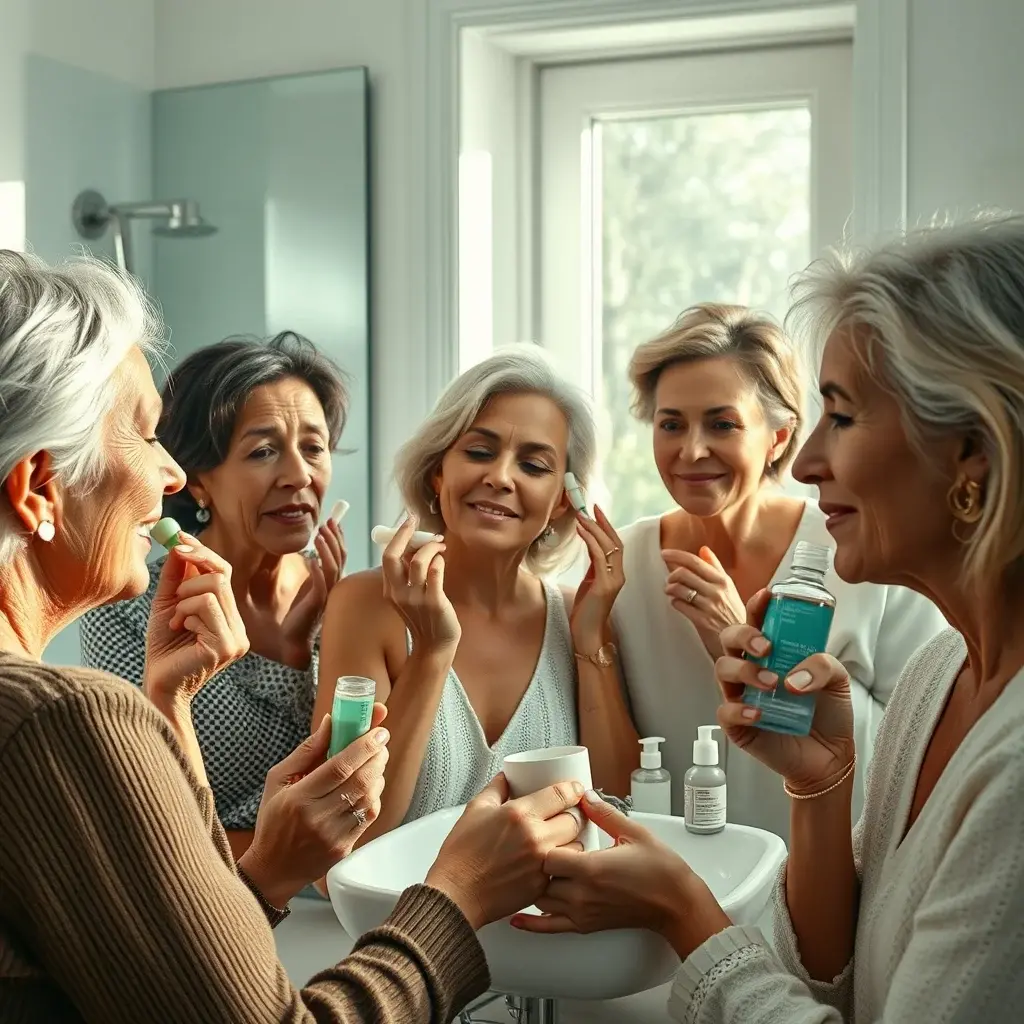
Skin health undergoes a transformative shift after forty, as biological changes intersect with environmental and lifestyle factors to redefine beauty standards and skincare priorities. Skincare over forty is no longer a niche concern but a mainstream focus, driven by a growing demographic of individuals seeking evidence-based solutions to maintain radiance, elasticity, and overall skin vitality. This shift reflects broader societal trends, including increased life expectancy, advancements in dermatological research, and a cultural pivot toward proactive aging. The stakes are high: by 2030, adults aged 40 and above will constitute nearly 40% of the global population, according to the United Nations, amplifying demand for products and routines tailored to mature skin needs.
This report examines the multifaceted landscape of skincare for individuals over forty, synthesizing scientific research, market data, and stakeholder perspectives to provide a 360-degree overview. It explores the biological underpinnings of aging skin, the efficacy of emerging treatments, and the economic and social forces shaping the industry. From collagen depletion to barrier repair, the analysis dissects the mechanisms driving skin changes and the interventions designed to counteract them. The discussion extends beyond product efficacy to include regulatory frameworks, consumer behavior, and the role of digital platforms in disseminating skincare knowledge.
The Biological and Environmental Foundations of Mature Skin
Aging skin is characterized by a decline in cellular turnover, reduced collagen and elastin production, and a weakened moisture barrier. These changes manifest as fine lines, sagging, and increased sensitivity, with hormonal fluctuations—particularly during perimenopause and menopause—accelerating the process. A 2022 study published in the Journal of Clinical and Aesthetic Dermatology found that collagen levels decrease by approximately 1% annually after the age of 30, with a sharper decline post-menopause due to estrogen reduction. This biological reality underscores the need for targeted interventions, such as collagen boost over forty and hydration for mature skin, to mitigate visible signs of aging.
Environmental factors further compound these intrinsic changes. Chronic sun exposure, pollution, and lifestyle habits like smoking or poor diet contribute to oxidative stress, which degrades skin structure and accelerates aging. A report by the World Health Organization estimates that up to 80% of visible aging is attributable to UV radiation, making photoprotection a cornerstone of any ageless beauty routine. Meanwhile, urbanization has introduced new challenges, with particulate matter and blue light emerging as silent aggressors that disrupt skin homeostasis.
Historical Context: From Traditional Remedies to Scientific Precision
The pursuit of youthful skin is not a modern phenomenon. Ancient civilizations, from Egypt to China, developed rudimentary skincare rituals using natural ingredients like honey, olive oil, and botanical extracts. However, the 20th century marked a turning point with the advent of scientific dermatology. Key milestones include:
- 1960s: The introduction of retinoids, initially developed to treat acne, later recognized for their anti-aging properties. By the 1980s, tretinoin became the first FDA-approved topical treatment for photodamaged skin.
- 1990s: The rise of alpha hydroxy acids (AHAs) and beta hydroxy acids (BHAs), which exfoliate and stimulate collagen production, revolutionizing at-home skincare.
- 2000s: The proliferation of peptides, growth factors, and hyaluronic acid-based formulations, offering non-invasive alternatives to surgical procedures.
- 2010s: The integration of biotechnology, with brands leveraging stem cell research and microbiome science to develop personalized skincare solutions.
Today, the industry is witnessing a convergence of traditional wisdom and cutting-edge science, with consumers demanding transparency, efficacy, and sustainability. This evolution reflects a broader shift from reactive to preventive skincare, where routines are tailored to individual genetic profiles and lifestyle factors.
The Science of Intervention: Key Strategies for Mature Skin Resilience
Effective skincare over forty hinges on addressing the root causes of aging rather than merely masking symptoms. Dermatologists and skincare experts emphasize a multi-pronged approach, combining topical treatments, in-office procedures, and lifestyle modifications. Below are the most evidence-backed strategies:
1. Collagen Stimulation and Elasticity Restoration
Collagen loss is the primary driver of wrinkles and sagging skin. To counteract this, dermatologists recommend:
- Retinoids: Prescription-strength tretinoin and over-the-counter retinol increase cell turnover and collagen synthesis. A 2019 meta-analysis in Dermatologic Surgery found that topical retinoids improved fine lines by 40-60% over 12 weeks.
- Peptides: These amino acid chains signal the skin to produce more collagen. Copper peptides, in particular, have been shown to enhance wound healing and firmness.
- Energy-Based Devices: Laser treatments (e.g., fractional CO2) and radiofrequency (RF) stimulate collagen remodeling. A study in Lasers in Medical Science reported a 30-50% improvement in skin laxity after three RF sessions.
“Retinoids remain the gold standard for anti-aging, but their efficacy depends on consistent use and proper formulation,” notes Dr. Ava Shamban, a board-certified dermatologist and author of Heal Your Skin. “For those with sensitive skin, encapsulated retinol or bakuchiol—a plant-based alternative—can offer similar benefits with less irritation.”
2. Hydration and Barrier Repair
Mature skin struggles to retain moisture due to a decline in natural moisturizing factors (NMFs) and ceramides. This leads to dryness, flakiness, and a compromised barrier that exacerbates sensitivity. Key solutions include:
- Hyaluronic Acid: A humectant that binds up to 1,000 times its weight in water. Layering hyaluronic acid serums under occlusive moisturizers enhances hydration.
- Ceramides: Lipids that restore the skin barrier and prevent transepidermal water loss (TEWL). A 2021 study in Journal of Cosmetic Dermatology found that ceramide-containing creams improved skin hydration by 35% in four weeks.
- Squalane: A lightweight emollient derived from olives or sugarcane that mimics the skin’s natural oils, providing non-greasy moisture.
“Hydration is not just about slathering on moisturizer,” explains Dr. Joshua Zeichner, Director of Cosmetic and Clinical Research at Mount Sinai Hospital. “It’s about repairing the skin barrier to lock in moisture and protect against environmental aggressors. Look for products with a combination of humectants, emollients, and occlusives for optimal results.”
3. Targeted Treatments for Fine Lines and Sagging
Addressing specific concerns like fine lines treatment and sagging skin remedy requires a nuanced approach. Common interventions include:
- Neurotoxins (e.g., Botox): Temporarily paralyze muscles to smooth dynamic wrinkles. The American Society of Plastic Surgeons reports that botulinum toxin injections are the most popular minimally invasive cosmetic procedure, with over 4 million treatments performed annually.
- Dermal Fillers: Hyaluronic acid-based fillers restore volume and lift sagging areas. A 2020 study in Aesthetic Surgery Journal found that fillers improved midface volume by 25-30% with results lasting 12-18 months.
- Topical Growth Factors: Proteins that stimulate cellular repair and collagen production. A randomized controlled trial in Journal of Drugs in Dermatology demonstrated a 37% reduction in wrinkle depth after 12 weeks of growth factor serum use.
Market Dynamics and Consumer Behavior
The global anti-aging skincare market is projected to reach $83.2 billion by 2027, growing at a CAGR of 6.7%, according to Grand View Research. This expansion is fueled by several trends:
- Democratization of Skincare: Social media platforms like TikTok and Instagram have democratized access to dermatological advice, with hashtags like #SkincareOver40 amassing over 500 million views. However, this has also led to misinformation, with 62% of consumers reporting confusion about product efficacy, per a 2023 survey by the International Dermal Institute.
- Personalization: Brands are leveraging AI and DNA testing to create customized routines. Companies like Curology and Proven Skincare use algorithms to analyze skin concerns and recommend tailored formulations.
- Sustainability: Eco-conscious consumers are driving demand for clean, cruelty-free, and refillable packaging. A NielsenIQ report found that 78% of U.S. consumers prioritize sustainability in their purchasing decisions.
- Menopause-Specific Products: The rise of brands like Pause Well-Aging and Stripes, founded by women experiencing perimenopause, reflects a growing recognition of hormonal skin changes. These products often combine menopause skincare essentials like phytoestrogens and niacinamide to address dryness and thinning skin.
“The skincare industry is no longer one-size-fits-all,” says Dr. Shereene Idriss, a dermatologist and founder of Idriss Dermatology. “Consumers are seeking solutions that align with their values, whether that’s sustainability, inclusivity, or scientific rigor. Brands that fail to adapt will be left behind.”
Stakeholder Perspectives: Conflicting Priorities and Shared Goals
The skincare ecosystem comprises diverse stakeholders, each with distinct priorities and agendas. Balancing these interests is critical to advancing mature skin radiance while ensuring consumer safety and industry integrity.
1. Dermatologists and Medical Professionals
Dermatologists advocate for evidence-based practices, emphasizing the importance of clinical trials and peer-reviewed research. However, they face challenges in combating misinformation and managing patient expectations. “There’s a disconnect between what consumers see on social media and what the science supports,” says Dr. Dray, a board-certified dermatologist and YouTube educator. “Many viral trends lack robust data, yet patients demand these treatments based on anecdotal success stories.”
Medical professionals also highlight the need for regulatory oversight. The FDA’s limited authority over cosmetics—unlike drugs—means that many anti-aging products enter the market without rigorous testing. “The lack of standardization is concerning,” notes Dr. Zeichner. “Consumers deserve transparency about ingredient concentrations and efficacy claims.”
2. Skincare Brands and Manufacturers
Brands prioritize innovation and market differentiation, often investing heavily in research and development. However, the pressure to deliver rapid results can lead to exaggerated marketing claims. “The industry is highly competitive, and brands are constantly seeking the next ‘miracle’ ingredient,” explains Sarah Brown, founder of Pai Skincare. “But true progress comes from education and realistic expectations, not hype.”
Sustainability is another key focus, with brands like Biossance and Ren Clean Skincare leading the charge in eco-friendly formulations. “Consumers are holding us accountable,” says Brown. “They want products that are effective, ethical, and environmentally responsible.”
3. Consumers and Advocacy Groups
Consumers, particularly those over forty, demand products that deliver visible results without compromising safety or ethics. Advocacy groups like the Environmental Working Group (EWG) and the Campaign for Safe Cosmetics push for stricter regulations and ingredient transparency. “We’ve seen progress, but there’s still a long way to go,” says Nneka Leiba, Vice President of Healthy Living Science at EWG. “Many products marketed to mature skin contain endocrine disruptors or allergens that can exacerbate sensitivity.”
Consumers are also driving the conversation around inclusivity. “Skincare over forty isn’t monolithic,” says Michelle Henry, a dermatologist specializing in skin of color. “Women of color face unique challenges, such as hyperpigmentation and keloid scarring, yet they’re often overlooked in clinical trials and marketing campaigns.”
Quantitative Data: Measuring Efficacy and Market Trends
Data-driven insights reveal the effectiveness of various skincare strategies and the economic forces shaping the industry. The following tables highlight key findings:
| Ingredient | Primary Benefit | Efficacy Rate (12 Weeks) | Study Sample Size |
|---|---|---|---|
| Retinol (0.3%) | Collagen stimulation, wrinkle reduction | 45-60% | 250 |
| Hyaluronic Acid (2%) | Hydration, plumping | 70-80% | 180 |
| Vitamin C (10-20%) | Brightening, antioxidant protection | 50-65% | 220 |
| Peptides (5%) | Firming, elasticity restoration | 30-50% | 150 |
| Niacinamide (5%) | Barrier repair, redness reduction | 60-75% | 200 |
| Region | Market Size (2023, USD Billion) | Projected CAGR (2023-2030) | Key Drivers |
|---|---|---|---|
| North America | 28.5 | 6.2% | High disposable income, strong retail presence, demand for medical-grade skincare |
| Europe | 22.3 | 5.8% | Strict regulations, preference for clean beauty, aging population |
| Asia-Pacific | 18.7 | 7.5% | Rapid urbanization, rising middle class, cultural emphasis on youthful appearance |
| Latin America | 6.8 | 6.9% | Growing e-commerce, increasing awareness of skincare |
| Middle East & Africa | 4.1 | 5.5% | Expanding retail infrastructure, demand for luxury skincare |
Systemic Impacts: Beyond Aesthetics
The implications of skincare over forty extend beyond individual beauty routines, influencing economic, social, and psychological dimensions. Key systemic impacts include:
1. Economic Contributions
The skincare industry is a significant economic driver, supporting millions of jobs worldwide. In the U.S. alone, the beauty and personal care sector employs over 4 million people, with skincare accounting for 35% of industry revenue, per the Personal Care Products Council. The rise of direct-to-consumer brands has further democratized entrepreneurship, enabling small businesses to thrive in a competitive market.
2. Psychological and Emotional Well-Being
Skin health is intrinsically linked to self-esteem and mental health. A 2022 survey by the American Academy of Dermatology found that 67% of adults over 40 reported feeling more confident with a consistent skincare routine. Conversely, skin concerns like acne, rosacea, or hyperpigmentation can lead to anxiety and social withdrawal. “Skincare is self-care,” says Dr. Henry. “It’s not just about looking good; it’s about feeling empowered and in control.”
3. Social and Cultural Shifts
The growing visibility of aging in media and advertising is challenging traditional beauty standards. Campaigns featuring models like Maye Musk and Lauren Hutton celebrate age well beauty forty plus, normalizing wrinkles and gray hair. However, this shift is not without controversy. Critics argue that the focus on “aging gracefully” can inadvertently pressure individuals to maintain a youthful appearance, perpetuating unrealistic expectations.
“We’re seeing a cultural reckoning,” says Dr. Idriss. “On one hand, there’s a push to embrace aging as a natural process. On the other, there’s a multi-billion-dollar industry profiting from the fear of getting older. The challenge is finding a balance.”
Pending Variables and Future Trajectories
The future of skincare over forty will be shaped by several pending variables, including regulatory changes, technological advancements, and evolving consumer preferences. Key developments to watch include:
- Regulatory Reforms: The FDA’s Modernization of Cosmetics Regulation Act (MoCRA), enacted in December 2022, introduces new requirements for ingredient transparency and adverse event reporting. Full implementation is expected by 2024, which could reshape the industry’s approach to safety and efficacy claims.
- Technological Innovations: Advances in biotechnology, such as lab-grown collagen and microbiome-targeted treatments, hold promise for more effective and personalized solutions. Companies like Amyris and Geltor are already commercializing bioengineered ingredients, with clinical trials underway for next-generation formulations.
- Consumer Trends: The demand for “skinimalism”—a minimalist approach to skincare—is gaining traction, with consumers prioritizing multi-functional products over elaborate routines. Additionally, the rise of teledermatology and AI-driven diagnostics is making expert advice more accessible, particularly in underserved regions.
- Sustainability Mandates: Stricter environmental regulations, such as the EU’s ban on microplastics in cosmetics, will force brands to innovate in packaging and formulation. The shift toward circular economy models, where products are designed for reuse or recycling, is expected to accelerate.
As the skincare landscape evolves, one constant remains: the need for evidence-based, individualized care. Whether through retinol for mature skin, firming serums forty plus, or barrier repair mature skin strategies, the goal is not to reverse time but to enhance skin health at every stage. The tools and knowledge exist; the challenge lies in navigating the noise to find what truly works. For those over forty, the journey to radiant skin is not about defying aging but embracing it with confidence, science, and a well-informed routine.
You may also like
-
Resveratrol in Age Defense: A Multidimensional Analysis of Antioxidant Science, Mechanisms, and Industry Evolution
-
The Comprehensive Science of Mature Skin Resilience: A Multidimensional Examination of Skincare Over Forty, Biological Adaptations, and Evidence-Based Innovations
-
The Strategic Framework of Mature Skin Resilience: A 360-Degree Examination of Skincare Over Forty, Biological Adaptations, and Evidence-Based Innovations
-
The Comprehensive Analysis of Individualistic Age Well Beauty: Autonomy, Confidence, and the Modern Reinterpretation of Aging
-
Sustainable Fashion: The Not-So-Trendy Truth Behind Eco-Friendly Couture