
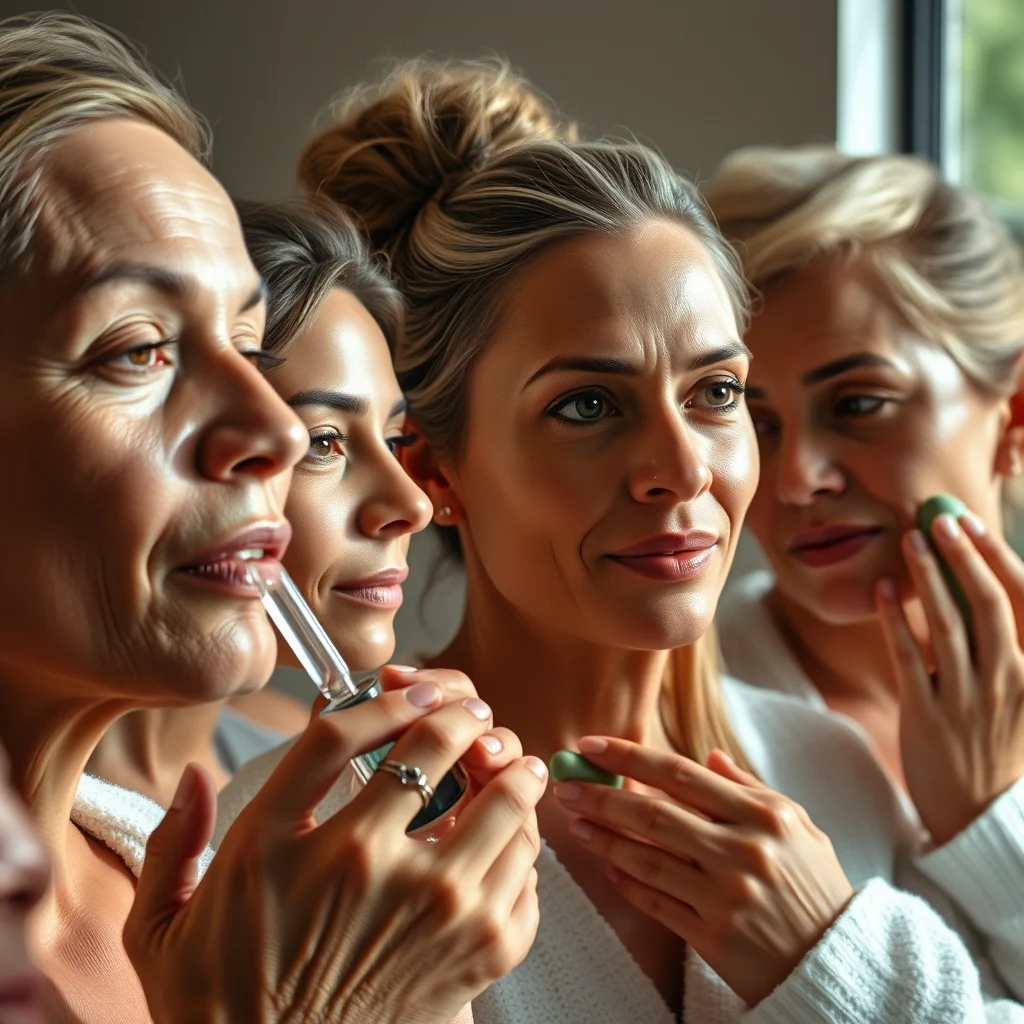
Skin undergoes profound transformations after forty, driven by hormonal shifts, environmental stressors, and intrinsic biological changes. Women and men navigating this phase confront visible signs of aging—fine lines, loss of elasticity, and uneven texture—while seeking solutions that align with their evolving physiological needs. Skincare over forty is no longer a niche concern but a mainstream priority, with the global anti-aging market projected to reach $83.2 billion by 2027, according to Grand View Research. This growth reflects a demographic shift: by 2030, one in six people worldwide will be over sixty, per the United Nations. The stakes are high, as skin health directly impacts confidence, social engagement, and overall well-being.
This article examines the scientific, commercial, and social dimensions of mature skin care, synthesizing empirical data, expert insights, and stakeholder perspectives. It traces the historical evolution of anti-aging rituals, dissects the mechanisms behind key ingredients, and evaluates the systemic impacts of emerging trends. The analysis spans dermatological research, consumer behavior, and regulatory frameworks, offering a comprehensive view of the current landscape.
The Historical Evolution of Skincare Over Forty
Anti-aging skincare rituals date back to ancient civilizations, where natural ingredients like olive oil, honey, and milk were used to preserve youthful skin. However, the modern era of mature skin radiance began in the mid-20th century with the commercialization of retinol and sunscreen. Key milestones include:
- 1940s-1950s: The introduction of cold creams and early moisturizers, marketed primarily to women over thirty-five. Brands like Pond’s and Nivea dominated the market, emphasizing hydration as the cornerstone of aging skin care.
- 1970s: The FDA approved tretinoin (Retin-A) for acne, later discovering its anti-aging properties. This decade also saw the rise of SPF products, driven by growing awareness of UV-induced photoaging.
- 1990s: The launch of alpha hydroxy acids (AHAs) and beta hydroxy acids (BHAs) revolutionized exfoliation, targeting fine lines and hyperpigmentation. Estee Lauder’s Advanced Night Repair serum, introduced in 1982, became a cult favorite for its DNA-repairing claims.
- 2000s-Present: The advent of peptides, growth factors, and stem cell technology expanded the toolkit for collagen boost over forty. Personalized skincare, driven by AI and genetic testing, emerged as a frontier, with companies like Curology and Proven offering tailored formulations.
Dr. Patricia Farris, a board-certified dermatologist and clinical associate professor at Tulane University, notes, “The shift from reactive to proactive skincare has been transformative. Today’s consumers over forty are not just treating wrinkles; they’re investing in long-term skin resilience through barrier repair and cellular renewal.”
The Biological Mechanics of Mature Skin
Skin aging is governed by two primary processes: intrinsic (genetic) and extrinsic (environmental) aging. Intrinsic aging, or chronoaging, is characterized by:
- Reduced collagen and elastin production (1% annual decline after thirty).
- Slower cellular turnover, leading to dullness and uneven texture.
- Thinning of the epidermis and dermis, making skin more fragile.
Extrinsic aging, primarily caused by UV exposure, pollution, and lifestyle factors, accelerates these changes. Photoaging accounts for up to 80% of visible aging signs, per a 2020 study in the Journal of Investigative Dermatology. Key mechanisms include:
- Oxidative stress: Free radicals damage DNA, proteins, and lipids, impairing skin function.
- Glycation: Excess sugar binds to collagen fibers, stiffening them and promoting sagging.
- Inflammation: Chronic low-grade inflammation, or “inflammaging,” disrupts skin repair processes.
Hormonal fluctuations during perimenopause and menopause further exacerbate these changes. Estrogen levels drop by up to 90% post-menopause, reducing hyaluronic acid production and skin thickness. “The hormonal transition is a tipping point for many women,” says Dr. Rebecca Booth, a gynecologist and founder of VENeffect Skincare. “We see a sharp increase in dryness, sensitivity, and loss of firmness during this phase.”
Evidence-Based Rituals for Mature Skin Radiance
Effective skincare over forty hinges on addressing three core pillars: hydration, collagen stimulation, and barrier protection. The following table summarizes evidence-backed ingredients and their mechanisms:
| Ingredient | Primary Function | Clinical Evidence |
|---|---|---|
| Retinol | Stimulates collagen, accelerates cell turnover | 6-month study: 36% reduction in wrinkles (Journal of Cosmetic Dermatology, 2016) |
| Hyaluronic Acid | Binds water, plumps skin | 40% improvement in hydration after 8 weeks (Dermatologic Therapy, 2011) |
| Vitamin C | Brightens, boosts collagen, neutralizes free radicals | 20% reduction in photoaging signs after 12 weeks (Journal of Clinical and Aesthetic Dermatology, 2017) |
| Peptides | Signal fibroblasts to produce collagen | 32% improvement in elasticity after 2 months (International Journal of Cosmetic Science, 2019) |
| Niacinamide | Strengthens barrier, reduces redness | 50% reduction in transepidermal water loss (British Journal of Dermatology, 2005) |
A 2023 survey by the American Academy of Dermatology found that 78% of women over forty prioritize hydration, while 62% seek products with collagen-boosting ingredients. However, ingredient efficacy varies by formulation and concentration. “Retinol at 0.3% is clinically proven, but many over-the-counter products contain subtherapeutic doses,” warns Dr. Joshua Zeichner, director of cosmetic and clinical research at Mount Sinai Hospital.
Layering these ingredients strategically maximizes results. A sample pro aging beauty ritual might include:
- AM: Cleanser, vitamin C serum, hyaluronic acid, SPF 30+.
- PM: Double cleanse, retinol (2-3x weekly), peptide serum, ceramide moisturizer.
- Weekly: Exfoliating AHA/BHA treatment, hydrating mask.
Systemic Impacts and Stakeholder Perspectives
The skincare over forty market is shaped by competing priorities among stakeholders:
- Consumers: Demand transparency, efficacy, and inclusivity. A 2022 NielsenIQ report found that 68% of women over forty prefer brands that avoid ageist marketing, opting for terms like “age-well” over “anti-aging.”
- Dermatologists: Advocate for evidence-based products and caution against overuse of trendy ingredients. “The ‘more is better’ approach can backfire, leading to irritation and barrier damage,” says Dr. Mona Gohara, associate clinical professor at Yale School of Medicine.
- Brands: Balance innovation with accessibility. Luxury brands like La Prairie and SK-II dominate the high-end segment, while drugstore brands like CeraVe and Olay cater to budget-conscious consumers.
- Regulators: The FDA and EU Cosmetics Regulation monitor claims, but enforcement varies. In 2021, the FDA issued warning letters to companies marketing unapproved stem cell products for anti-aging.
Socioeconomic factors also play a role. A 2023 study in JAMA Dermatology found that women with higher incomes are 40% more likely to use prescription retinoids, highlighting disparities in access to advanced skincare. “Cost is a significant barrier,” notes Dr. Amy McMichael, chair of dermatology at Wake Forest School of Medicine. “We need more affordable, high-quality options.”
Quantitative Data: Market Trends and Consumer Behavior
The global anti-aging market is segmented by product type, with skincare accounting for 45% of revenue in 2023. Key trends include:
| Segment | 2023 Market Share | CAGR (2023-2030) |
|---|---|---|
| Skincare | 45% | 6.8% |
| Hair Care | 22% | 5.2% |
| Devices (e.g., LED masks, microcurrent) | 18% | 8.1% |
| Supplements (e.g., collagen peptides) | 15% | 7.5% |
Consumer behavior reflects a shift toward holistic wellness. A 2023 McKinsey report found that 55% of women over forty prioritize products with clean, sustainable ingredients. However, efficacy remains the top purchase driver, with 72% citing visible results as the primary factor in brand loyalty.
Digital engagement is also reshaping the landscape. Social media platforms like TikTok and Instagram drive trends, with hashtags like #Over40Skincare amassing over 1.2 billion views. “Influencers have democratized skincare knowledge,” says Dr. Dray, a dermatologist and YouTube educator. “But misinformation spreads just as quickly as evidence-based advice.”
Competing Stakeholder Perspectives on Aging and Beauty
The discourse around skincare over forty is polarized. Proponents of the “pro-aging” movement, led by figures like actress Andie MacDowell, advocate for embracing natural aging while optimizing skin health. “It’s about feeling confident in your skin, not erasing every line,” MacDowell told Allure in 2022.
Conversely, the medical community emphasizes prevention and treatment. “Aging is inevitable, but premature aging is not,” says Dr. Zeichner. “Science gives us tools to age gracefully, and it’s our responsibility to use them.”
Industry critics argue that the beauty market exploits insecurities. “The anti-aging narrative is rooted in ageism,” says Ashton Applewhite, author of This Chair Rocks: A Manifesto Against Ageism. “We need to redefine beauty standards to include all ages.”
Regulators walk a fine line between innovation and consumer protection. The EU’s ban on animal-tested cosmetics in 2013 accelerated the development of synthetic alternatives, while the FDA’s 2022 guidance on CBD in skincare reflects the need for clarity in emerging categories.
The future of skincare over forty will be shaped by three key variables: technological advancements, regulatory changes, and cultural shifts. AI-driven diagnostics, such as Neutrogena’s Skin360 app, are poised to personalize routines further. Meanwhile, the FDA’s ongoing review of over-the-counter retinoid products could expand access to gold-standard ingredients. Culturally, the rise of “skin positivity” movements may redefine success metrics, shifting focus from flawless skin to resilience and vitality.
For now, the most effective approach combines evidence-based products with lifestyle adjustments. Prioritizing sleep, nutrition, and stress management amplifies the benefits of topical treatments. As Dr. Farris puts it, “Skincare over forty isn’t about turning back the clock. It’s about giving your skin the tools it needs to thrive at every stage.” The journey to mature skin radiance is not a sprint but a marathon, requiring patience, consistency, and a willingness to adapt.
You may also like
-
Resveratrol in Age Defense: A Multidimensional Analysis of Antioxidant Science, Mechanisms, and Industry Evolution
-
The Comprehensive Science of Mature Skin Resilience: A Multidimensional Examination of Skincare Over Forty, Biological Adaptations, and Evidence-Based Innovations
-
The Strategic Framework of Mature Skin Resilience: A 360-Degree Examination of Skincare Over Forty, Biological Adaptations, and Evidence-Based Innovations
-
The Comprehensive Analysis of Individualistic Age Well Beauty: Autonomy, Confidence, and the Modern Reinterpretation of Aging
-
Sustainable Fashion: The Not-So-Trendy Truth Behind Eco-Friendly Couture